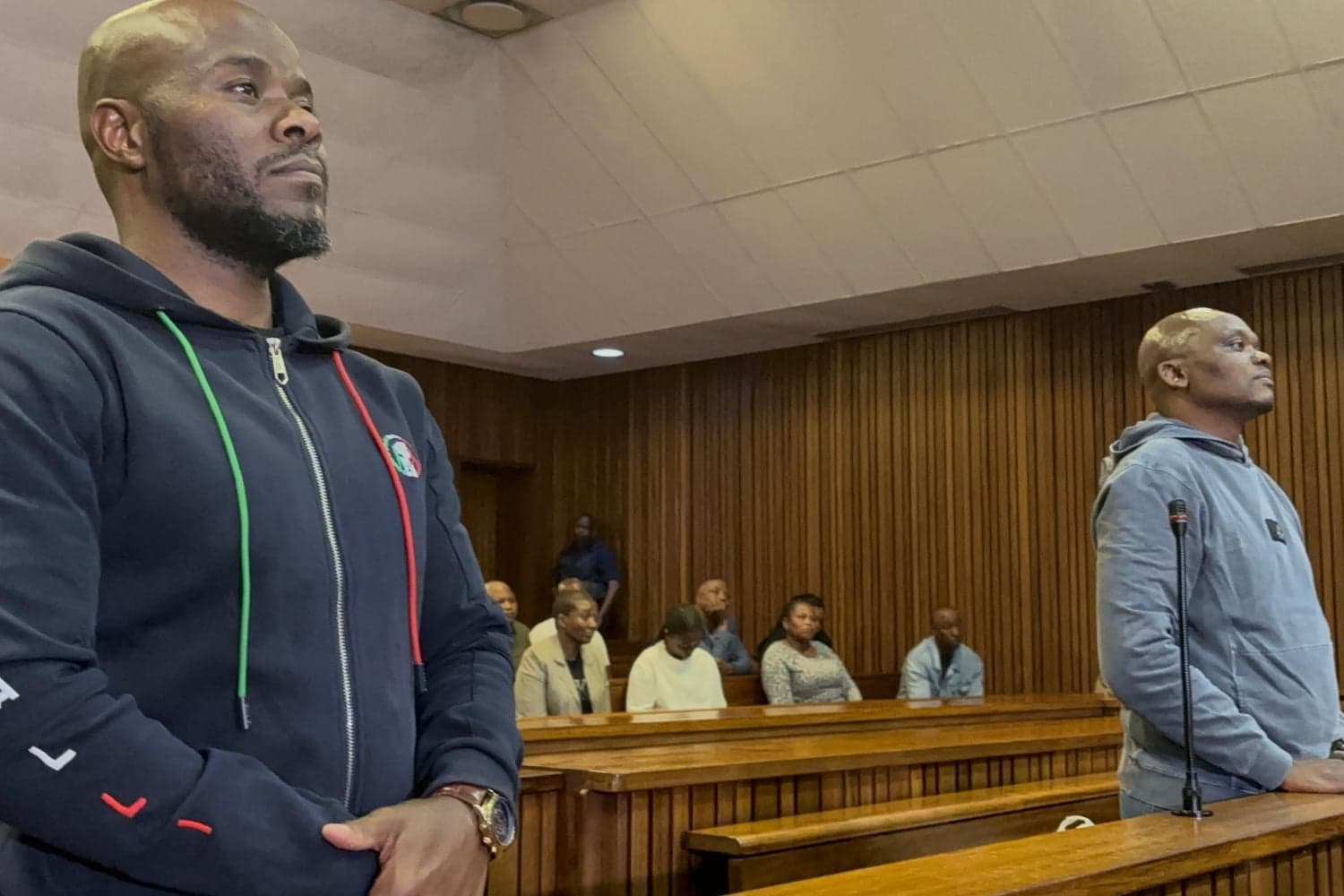
In a case that has sent shockwaves through the local community and sparked widespread attention online, several men accused of the kidnapping and rape of a Chatsworth man have been denied bail. The decision, delivered in court following a highly publicised arrest, marks a significant development in a case where key elements of the alleged crime were reportedly captured on camera. The "caught on video" aspect of the incident has intensified public interest, highlighting the growing role of digital recordings in South Africa's criminal justice system.
While the denial of bail represents a crucial step in the legal process, many specifics surrounding the case remain closely guarded or yet to be officially confirmed. The exact number of men facing charges has not been formally detailed in initial reports, nor have the identities of the accused or the victim been released to the public. Additionally, the specific court in which the bail ruling was handed down and the precise date of the incident itself have not been disclosed. This lack of detail is common in the early stages of sensitive cases, particularly those involving sexual offences where victim protection is paramount.
The involvement of video evidence appears to have been a pivotal factor in the proceedings. In South Africa, the viral dissemination of crime footage often acts as a double-edged sword. On one hand, it can galvanise community awareness and assist law enforcement officers in quickly identifying and apprehending suspects. On the other hand, the circulation of graphic footage depicting severe trauma raises serious ethical concerns regarding the privacy and dignity of the victim. In this instance, the footage has reportedly served as a key piece of evidence that influenced the court's decision to keep the accused behind bars.
Chatsworth, a large and historically significant suburb located south of Durban in KwaZulu-Natal, is a close-knit community where incidents of violent crime are met with strong collective condemnation. The news that the suspects will remain in custody pending trial has brought a sense of temporary relief to local residents who have been closely monitoring the situation. For Chatsworth, a community that has frequently grappled with safety concerns, the swift action of the justice system in denying bail is seen as a firm stance against heinous crimes.
Under South African law, the charges of kidnapping and rape are classified as extremely serious offences, often falling under Schedule 5 or Schedule 6 of the Criminal Procedure Act. In such cases, the legal threshold for obtaining bail is exceptionally high. The accused must satisfy the court that the interests of justice permit their release, or in more severe schedules, demonstrate exceptional circumstances. Given the violent nature of the allegations and the existence of video evidence, the court's decision to deny bail aligns with standard judicial practices aimed at ensuring public safety and preventing the evasion of justice.
This case also underscores a critical, yet frequently underreported, aspect of sexual violence in South Africa: male victims of rape. While national dialogues and support campaigns predominantly focus on the scourge of violence against women and children, legal experts and advocacy groups emphasise that men also fall victim to these traumatic crimes. The legal recognition and prosecution of cases involving male victims are essential for dismantling social stigmas and ensuring that all survivors of sexual assault receive equal access to justice and psychological support.
Moving forward, the focus of the legal proceedings will shift toward the formal trial preparation. The state prosecution is expected to consolidate its evidence, including the digital video recordings, witness testimonies, and forensic reports. Legal analysts suggest that the admissibility and chain of custody of the video evidence will likely be a primary point of contention when the trial commences. Members of the public and legal observers will be watching closely to see when the National Prosecuting Authority (NPA) announces the official trial date and whether further details regarding the suspects' motives will emerge.