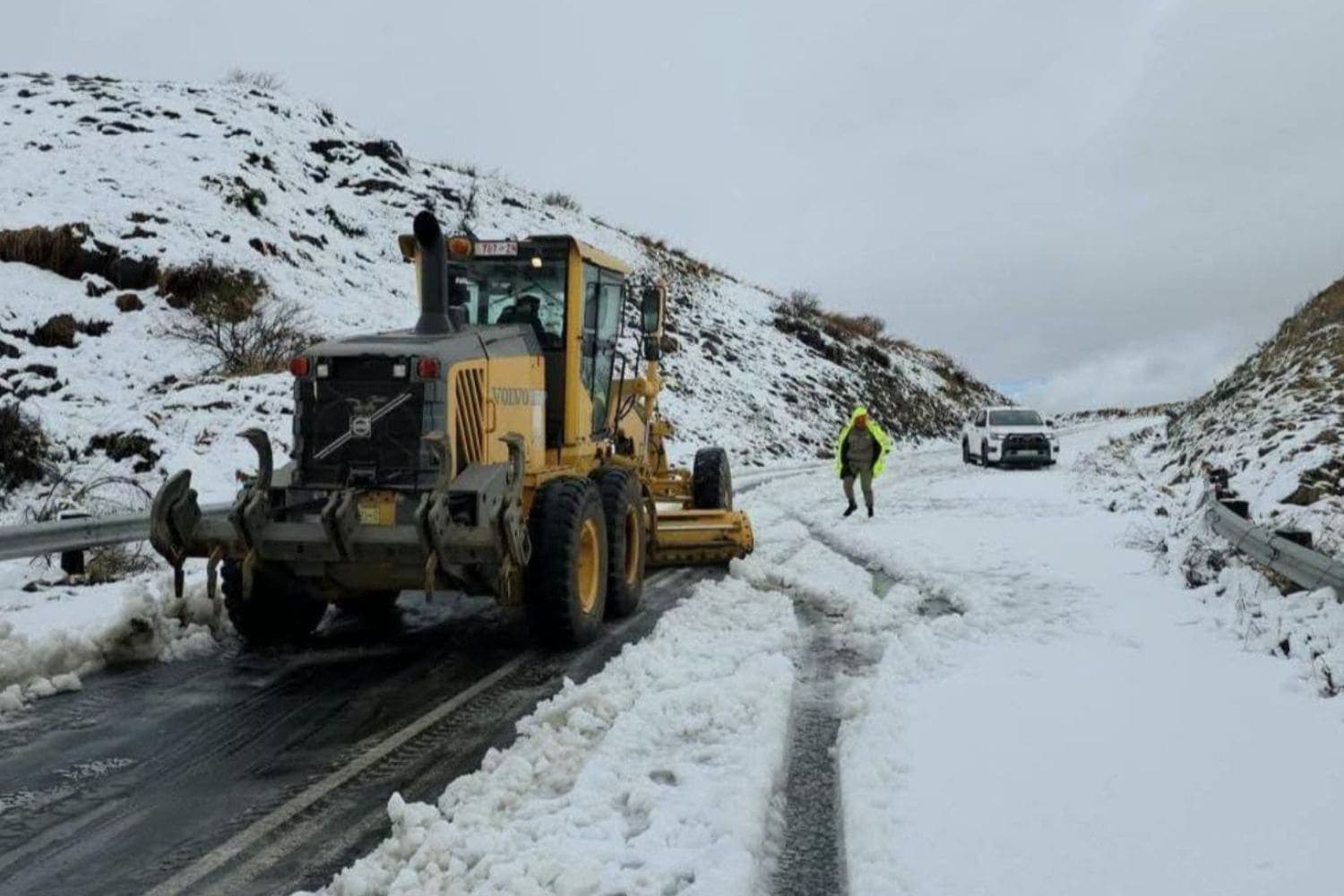
KwaZulu-Natal provincial authorities have initiated emergency preparations, deploying road graders and establishing emergency shelters as a severe cut-off low weather system threatens the region. The incoming weather system has triggered widespread fears of heavy snowfalls and localized flooding across various parts of the province. With memories of past severe weather events fresh in the minds of residents, provincial disaster management teams are taking proactive measures to mitigate the potential impact of the storm.
A cut-off low is a well-known meteorological phenomenon in South Africa, often associated with severe and unpredictable weather patterns. These systems occur when a low-pressure system becomes detached from the main westerly wind flow, lingering over the region and drawing in cold air and moisture. This typically results in a dramatic drop in temperatures, torrential rainfall, and heavy snowfall in high-altitude areas, presenting a multi-hazard threat to both infrastructure and human life.
The deployment of graders is a critical element of the province's winter and severe weather response strategy. These heavy-duty earthmoving vehicles are essential for clearing roads blocked by heavy snow or debris from mudslides, ensuring that vital transport routes remain open for emergency services. While the specific routes targeted for grader deployment have not been detailed in initial reports, high-mountain passes and key transport corridors are traditionally the focus of such operations to prevent motorists from becoming stranded.
In tandem with road-clearing preparations, the activation of emergency shelters highlights the humanitarian focus of the provincial response. These shelters are designed to provide temporary refuge, warmth, and safety for displaced individuals, particularly those living in informal settlements or low-lying areas highly vulnerable to flash flooding. Although the exact locations and total capacity of the prepared shelters remain unconfirmed in early official updates, their preparation underscores the anticipated severity of the system.
At this stage of the weather event, several key details remain unclear. While the threat of snow and flooding has been verified, specific meteorological forecasts detailing the expected millimetres of rainfall or centimetres of snow accumulation have not been finalized in the initial alerts. Furthermore, a comprehensive list of the specific municipalities or districts expected to bear the brunt of the cut-off low has not yet been released, leaving residents across the entire province on high alert.
KwaZulu-Natal's geographical diversity, ranging from a subtropical coastline to the towering Drakensberg mountain range, makes it uniquely vulnerable to extreme weather. Past experiences with devastating floods and sudden, heavy snowfalls have taught provincial authorities the value of early mobilisation. By positioning resources like graders and preparing community shelters before the system fully develops, disaster management teams aim to reduce response times and prevent loss of life.
For residents and travellers in KwaZulu-Natal, the practical implications of these preparations are significant. Motorists are urged to exercise extreme caution, plan their routes carefully, and avoid traveling through high-lying areas where snow accumulation is likely. Those residing in flood-prone zones are advised to monitor local water levels closely and be prepared to evacuate to the designated emergency shelters should conditions deteriorate rapidly.
As the cut-off low progresses, the immediate focus will be on how the weather system behaves over the coming days. The public is advised to stay tuned to official updates from the South African Weather Service and local disaster management authorities. Future reports will need to clarify the exact path of the system, the status of major road networks, and whether further emergency resources will need to be deployed to assist affected communities.