KuGompo City March Puts Spotlight on Foreign Traders and Municipal By-Law Enforcement
A public demonstration in KuGompo has highlighted community concerns regarding the regulation of foreign-owned businesses. The march calls for stricter enforcement of municipal by-laws amid ongoing national debates over the informal economy.
![[WATCH] KuGompo City march puts focus on foreign traders and by-law enforcement](/_next/image?url=https%3A%2F%2Fmedia.citizen.co.za%2Fwp-content%2Fuploads%2F2026%2F08%2FDSC_4799-2500x1669.jpg&w=3840&q=75)
A public march in KuGompo has thrust the spotlight onto the regulation of foreign traders and the enforcement of municipal by-laws. The demonstration, which was captured in widely shared video footage on 21 August 2026, highlights growing community-level mobilization around local economic activity and municipal governance. This development has sparked widespread discussion across social media platforms and local communities, raising critical questions about how local authorities manage trade regulations.
According to reports and footage published by South African media outlet The Citizen, the march in KuGompo City specifically targeted issues surrounding foreign-owned businesses and the perceived lack of municipal by-law enforcement. While the visual evidence confirms a public gathering and active demonstration, specific details regarding the exact route of the march, the number of participants, and the presence of law enforcement officers remain limited in the initial dispatches.
KuGompo, a prominent area within the Eastern Cape region of South Africa, serves as a vital economic hub for local residents and informal merchants alike. In South African municipal landscapes, tension between local informal traders and foreign nationals operating small-scale retail shops is a recurring socio-economic theme. The march represents a localized manifestation of these broader national anxieties regarding economic opportunities, space allocation, and the rule of law at the municipal level.
At the heart of the KuGompo protest is the demand for stricter enforcement of municipal by-laws. In many South African urban areas, residents and local business associations frequently accuse municipalities of failing to implement zoning laws, health regulations, and business licensing requirements. Proponents of the march argue that consistent by-law enforcement is essential to ensure fair competition, maintain public health standards, and regulate the informal economy effectively.
As this is a developing story, several key pieces of information have not yet been officially verified. It remains unclear which specific civil society groups, business forums, or political organizations coordinated the march. Additionally, local government representatives and the South African Police Service (SAPS) have not yet released formal statements outlining whether any incidents of violence occurred, whether arrests were made, or how they plan to address the memorandum of grievances if one was submitted.
The events in KuGompo reflect a larger, ongoing debate in South Africa regarding the integration of foreign traders into the township and informal economies. While some advocacy groups call for the protection of local South African entrepreneurs through stricter immigration and trade policies, others warn against the potential for xenophobic sentiment and emphasize the need for inclusive economic growth that respects human rights and regional trade agreements.
Moving forward, observers will be watching closely to see how the Buffalo City Metropolitan Municipality—under whose jurisdiction KuGompo falls—responds to the marchers' demands. Key indicators of progress will include whether local authorities initiate joint operations to inspect trading licenses, how foreign trader associations respond to the community's concerns, and whether constructive dialogue can be established to prevent future disruptions.
Reporting record
How this story was produced
This article was AI-generated from the frozen trend evidence and passed deterministic quality and safety gates. No cross-provider evidence review or independent human verification is claimed for this record.
- Byline
- Newstrends AI Newsroom
- First published
- Last material update
- No later material update recorded
- Distinct source identifiers
- 1 retained source identifier
Frozen source links for this publication
Chronology
Story timeline
A generated chronology for orientation; dates and details may require source verification.
Update
Reports and video footage of the KuGompo City march are published, drawing public attention to local trade enforcement issues.
Reader file
Frequently asked questions
01What triggered the march in KuGompo City?
The march was organized to draw attention to the regulation of foreign traders and to demand stricter enforcement of local municipal by-laws.
02Who organized the demonstration?
The specific organizations or community leaders behind the march have not yet been officially identified in the initial reports.
03Has there been any official response from the municipality?
As of the latest reports, local government and law enforcement authorities have not released a formal statement regarding the march or its demands.
Keep reading
Related coverage
More published reporting connected to this story.
Turbulent Takeover of Herald and Daily Dispatch Involves Unpaid Salaries and R10.6m Buffalo City Contract
Reports have emerged detailing a controversial takeover of the Eastern Cape's prominent newspapers, the Herald and Daily Dispatch. The transition is reportedly marked by unpaid employee salaries, celebratory party plans, and a R10.6 million contract linked to the Buffalo City Municipality.
Eastern Cape’s Nonesi Mall Set for Major R76 Million Upgrade
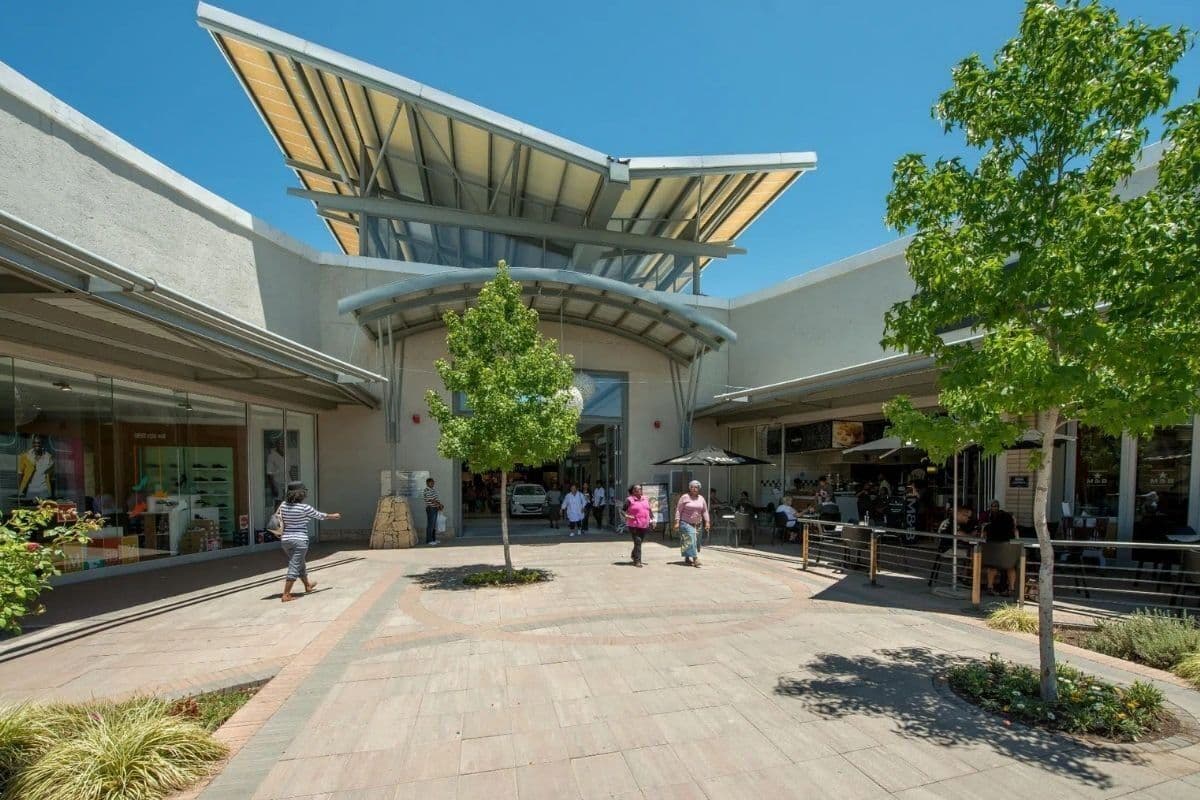
Nonesi Mall in the Eastern Cape is undergoing a substantial R76 million upgrade. The major investment is set to revitalise the local shopping experience, though specific details on new tenants and construction timelines remain unconfirmed.

Airlink flies displaced hermit crab home from Johannesburg to East London
In an unusual viral rescue story, regional airline Airlink has flown a displaced hermit crab from landlocked Johannesburg back to its coastal home in East London.

Weather Alert: Damaging Winds Forecast for Northern Cape as Frost Threatens Gauteng and Free State
South Africans face highly contrasting weather conditions on Friday, 14 August 2026. A weather alert warns of damaging winds in the Northern Cape and frost in Gauteng and the Free State, while the Eastern Cape enjoys fine and warm conditions.

Eastern Cape Couple Treats Six-Year-Old Daughter to Magical Snow Experience in Viral Video
A heartwarming video of an Eastern Cape couple introducing their six-year-old daughter to snowfall has gone viral online. The footage captures a rare family moment during the South African winter season, sparking widespread interest.