Kleinfontein Initiates Formalisation Process With New Township Application
The settlement of Kleinfontein has taken a significant step toward official recognition by submitting a new township application. This move initiates a formal administrative process to integrate the community into South Africa's statutory municipal planning framework.
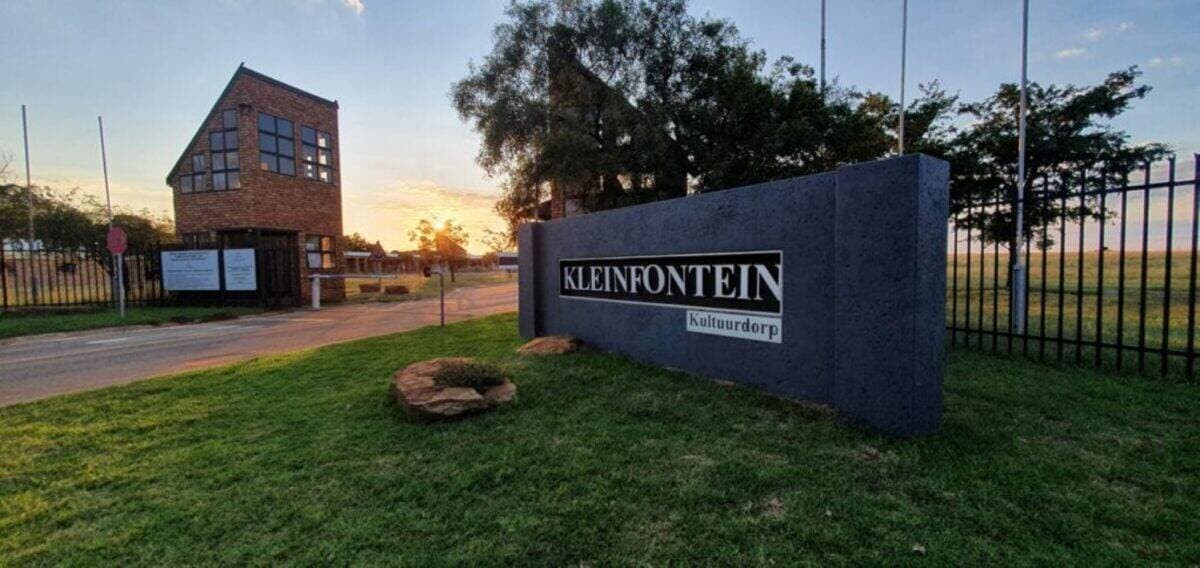
In a significant development for the local municipal landscape, the settlement of Kleinfontein has taken a formal step towards official recognition. Reports emerged on 2 September 2026 indicating that a new township application has been submitted, signalling a transition towards formalisation. This move marks a pivotal moment for the community, which has historically operated under a different administrative structure, and opens up a series of legal and planning procedures under South African municipal frameworks.
The primary detail confirmed by initial reports is the submission of the township application itself. This application is the official mechanism through which an informal or semi-formal settlement seeks to be integrated into the formal municipal planning system. By moving towards formalisation, the representatives of Kleinfontein are initiating a structured legal process that will subject the settlement to standard provincial and local government regulations, land-use management schemes, and statutory oversight.
In South Africa, the formalisation of a settlement through a township establishment application is a complex and highly regulated administrative process. Typically governed by the Spatial Planning and Land Use Management Act (SPLUMA) alongside relevant provincial legislation and municipal bylaws, the process requires extensive documentation. This includes detailed land surveys, environmental impact assessments, engineering service reports, and layout plans that must be submitted to the local municipality for rigorous evaluation.
The transition to a formalised township carries substantial implications for both the residents of Kleinfontein and the surrounding municipality. Under a formalised structure, properties within the settlement must be registered with the Deeds Office, allowing for individual title deeds. Furthermore, formalisation generally obligates the local municipality to oversee or coordinate the provision of basic services such as water, electricity, sanitation, and waste management, whilst also bringing the area into the municipal property rates roll.
At this stage, several key details regarding the application remain undisclosed or pending. It is currently unclear which specific municipal authority is processing the application, though the geographic region points to local government structures in Gauteng. Additionally, the exact layout of the proposed township, the projected timeline for the approval process, and the specific conditions that the municipality might impose on the developers remain outstanding. Whether the application will face formal objections from external stakeholders or neighbouring communities is also yet to be seen.
A critical phase of any township application in South Africa is the public participation process. Once the application is formally gazetted, members of the public, neighbouring landowners, and interested parties will have a statutory period to lodge comments or objections. This phase is crucial for transparency, allowing all affected parties to voice concerns regarding infrastructure capacity, environmental impacts, or spatial planning alignment before the municipal planning tribunal makes a final decision.
As Kleinfontein embarks on this path toward formalisation, observers and residents alike will be watching how the administrative process unfolds. The transition from an independent or self-managed model to a legally recognised township represents a complex integration into the broader South African regulatory framework. Further updates are expected as the municipal planning authorities review the submission and the public participation window is officially opened.
Reporting record
How this story was produced
This article was AI-generated from the frozen trend evidence and passed deterministic quality and safety gates. No cross-provider evidence review or independent human verification is claimed for this record.
- Byline
- Newstrends AI Newsroom
- First published
- Last material update
- No later material update recorded
- Distinct source identifiers
- 1 retained source identifier
Frozen source links for this publication
Chronology
Story timeline
A generated chronology for orientation; dates and details may require source verification.
Update
Reports emerge indicating that Kleinfontein has submitted a new township application for formalisation.
Reader file
Frequently asked questions
01What is happening with Kleinfontein?
Kleinfontein has submitted a new township application, initiating a formal process to transition the settlement toward official formalisation under South African municipal planning frameworks.
02What does formalisation mean for a settlement like Kleinfontein?
Formalisation generally means integrating the settlement into the official municipal system, which involves registering properties with the Deeds Office, complying with local land-use laws, and aligning with municipal service delivery and rates frameworks.
03What are the next steps in this application process?
The application must undergo a formal review by the relevant municipal planning authorities, which includes a mandatory public participation phase where interested parties can submit comments or objections.
Keep reading
Related coverage
More published reporting connected to this story.
Transforming Durban: Weekly Operations Launched to Reclaim and Restore Public Areas
Reports from the Sunday Tribune reveal an ongoing initiative to transform Durban through weekly municipal operations. The campaign aims to reclaim and restore public spaces, addressing urban decay and safety concerns across the metro.
Cape Town Introduces New By-Law to Boost Transparency in Building Plan Approvals
The City of Cape Town has introduced a new by-law aimed at enhancing transparency within its building plan approval processes. The regulatory shift seeks to address long-standing demands for greater openness in municipal planning, though specific operational details are still emerging.

Concerns Rise Over Decision That Could Create a 'Ghost Town' in Wealthy Western Cape Area
A major warning has been issued regarding a controversial decision that threatens to destabilise one of the Western Cape's wealthiest areas. Analysts warn the move could lead to severe disinvestment, turning a prosperous economic hub into a ghost town.

Pensioners Have Days Left to Secure Crucial Municipal Rates Discount
South African pensioners are facing an urgent deadline to apply for municipal rates discounts. With only days remaining, senior citizens are urged to verify requirements with their local councils to secure vital financial relief.
Leaking Pipes and Broken Pumps: How Infrastructure Failures and Tankers Define South Africa's Water Crisis
South Africa's escalating water crisis is increasingly characterized by failing municipal infrastructure, including leaking pipes and broken pumps. As municipalities struggle to maintain water supply, the growing reliance on costly water tankers has become a controversial and permanent fixture for many communities.