Johannesburg Butchery Shut Down Following Severe Health and Labour Violations
Authorities have shut down a Johannesburg butchery after uncovering serious health and labour violations. The closure highlights ongoing efforts by municipal and national regulators to enforce compliance in the local food sector.
A Johannesburg butchery has been shut down by authorities following the discovery of severe labour and health violations. The closure, reported on 21 August 2026, highlights ongoing efforts by regulatory bodies to clamp down on non-compliant food businesses in South Africa’s economic hub. The joint enforcement action reflects an increasing intolerance for businesses that compromise public health and violate basic employment standards.
At this stage, specific details regarding the identity of the butchery, its exact location within the City of Johannesburg, and the precise nature of the violations have not been fully publicised. It remains unclear whether the operation was sparked by a public complaint or if it was part of a routine municipal compliance blitz. What is confirmed, however, is that the severity of both the health hazards and the labour infractions left authorities with no option but to halt operations immediately to protect consumers and staff.
In South Africa, the closure of a food-handling facility is a significant administrative action. Food safety is strictly governed by Regulation R638, which outlines the regulations governing general hygiene requirements for food premises and the transport of food. Municipal health inspectors, known as Environmental Health Practitioners (EHPs), are mandated to inspect butcheries to ensure meat is stored, processed, and sold under sanitary conditions. When a facility falls so far short of these standards that it faces immediate closure, it typically indicates issues such as poor refrigeration, contamination risks, or lack of proper health certificates.
Equally critical in this case are the "serious labour violations" cited by authorities. The South African Department of Employment and Labour regularly conducts inspections to ensure compliance with the Basic Conditions of Employment Act (BCEA) and the Occupational Health and Safety (OHS) Act. In the wholesale and retail sector, common infractions include underpayment of staff, lack of registration for the Unemployment Insurance Fund (UIF), excessive working hours, and failure to provide protective gear. The closure of the Johannesburg butchery suggests that the working conditions were deemed hazardous enough to warrant immediate intervention alongside the health shutdown.
This incident occurs amidst heightened public anxiety in Gauteng regarding food safety and the regulation of local spaza shops, supermarkets, and butcheries. In recent months, provincial authorities and municipal police departments have intensified their monitoring of informal and formal food outlets. These campaigns aim to address community concerns over expired goods, unhygienic food preparation, and the exploitation of vulnerable workers, many of whom may be undocumented and thus hesitant to report abusive working conditions to the authorities.
For Johannesburg residents, the closure serves as a stark reminder of the importance of consumer vigilance. Public health experts advise consumers to inspect meat products for proper labelling, check for valid municipal trading licences displayed on the premises, and report any suspicious odours or unhygienic practices to local environmental health offices. For workers in the sector, the enforcement action demonstrates that regulatory channels exist to address exploitation, though systemic challenges in inspecting every local business remain a hurdle for the department.
Going forward, the public will be watching closely to see if the City of Johannesburg or the Department of Employment and Labour releases a detailed breakdown of the charges faced by the butchery's owners. It also remains to be seen whether the establishment will face criminal prosecution or if it will be allowed to reopen after complying with corrective health and labour directives. For now, the closure stands as a warning to other food businesses across the province that non-compliance carries severe operational and legal consequences.
Reporting record
How this story was produced
This article was AI-generated from the frozen trend evidence and passed deterministic quality and safety gates. No cross-provider evidence review or independent human verification is claimed for this record.
- Byline
- Newstrends AI Newsroom
- First published
- Last material update
- No later material update recorded
- Distinct source identifiers
- 1 retained source identifier
Frozen source links for this publication
Chronology
Story timeline
A generated chronology for orientation; dates and details may require source verification.
Update
Reports emerge confirming that a Johannesburg butchery has been shut down over serious labour and health violations.
Reader file
Frequently asked questions
01Why was the Johannesburg butchery shut down?
The butchery was shut down by authorities due to serious violations relating to both health and hygiene standards, as well as labour regulations.
02What are the specific details of the violations and the butchery's name?
As of the initial reports on 21 August 2026, the specific name of the butchery, its exact location in Johannesburg, and the precise details of the violations have not been publicly disclosed.
03Who regulates food safety and labour laws in South African butcheries?
Food safety is monitored by Municipal Environmental Health Practitioners under health regulations, while labour standards are enforced by the Department of Employment and Labour.
Keep reading
Related coverage
More published reporting connected to this story.
Johannesburg Running Out of Steam as Economic Cracks Begin to Show, Reports Warn
Reports from August 2026 indicate that Johannesburg, South Africa's economic hub, is facing severe momentum loss. As systemic challenges mount, questions arise over the city's infrastructure and financial stability.
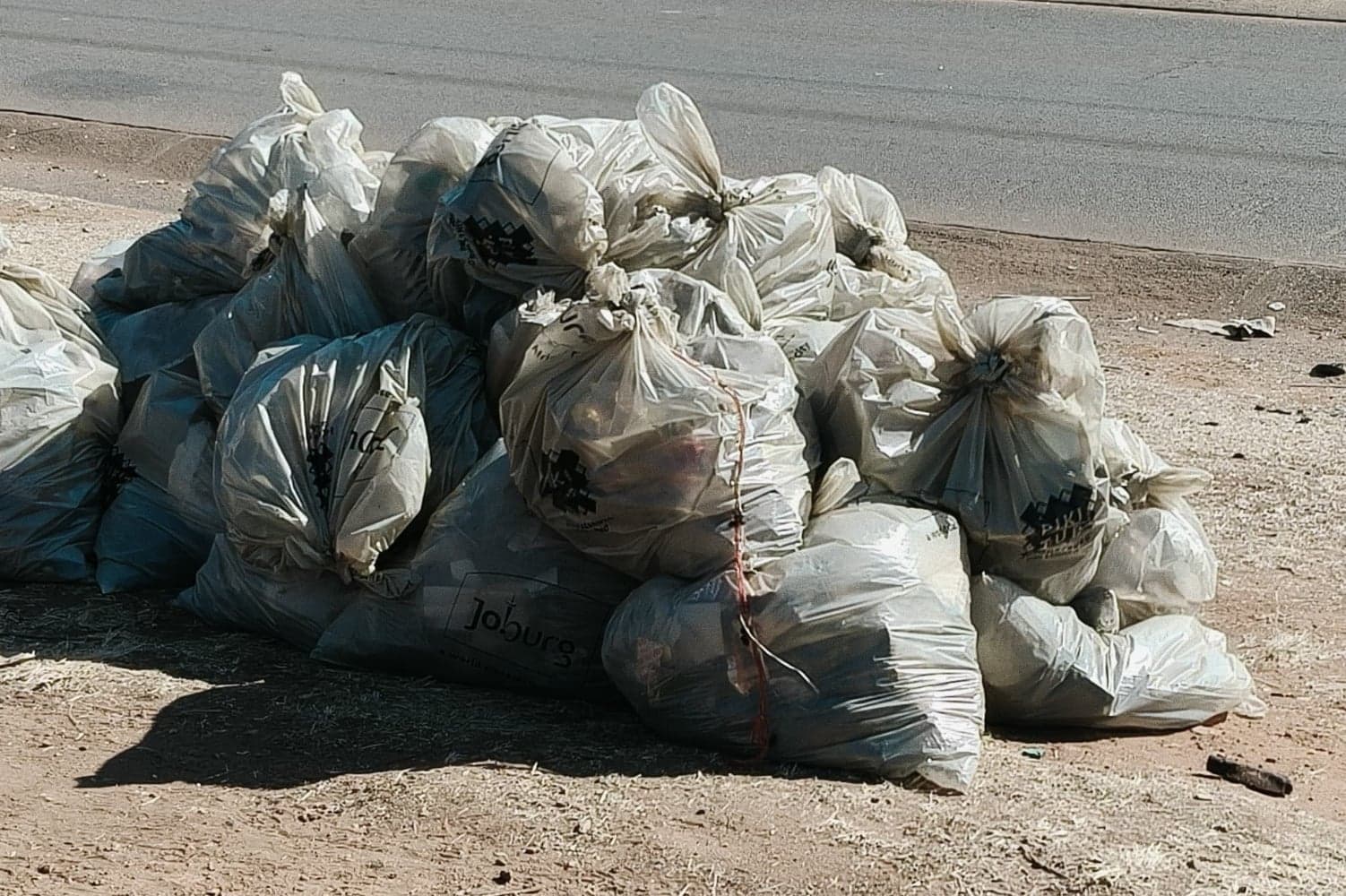
Pikitup Addresses Johannesburg Refuse Backlog With Expected Clearance Timeline
Johannesburg’s waste utility, Pikitup, has indicated when it expects to clear the refuse collection backlog currently affecting several suburbs. While a recovery plan is underway, residents are advised to monitor official channels for localized service schedules.

Johannesburg Named Among the World’s Top 10 Street Food Cities
Johannesburg has secured a prestigious spot in the global top 10 for its vibrant street food scene. This international recognition highlights the city's rich, multicultural culinary appeal on a global stage.

Helen Zille Slams Joburg Service Failures as IEC Launches Voter Mobilisation Drive
DA Federal Council Chairperson Helen Zille has sharply criticised Johannesburg's municipal service delivery as 'scandalous'. The critique comes as the Independent Electoral Commission (IEC) ramps up efforts to mobilise voters.
Investigation Reopened Into Devastating Johannesburg Inner-City Fire That Killed 76
Authorities have officially reopened the investigation into the tragic Johannesburg building fire that claimed 76 lives. The move marks a crucial step toward accountability, though specific details on new evidence remain undisclosed.