Johannesburg’s emergency services have been placed on high alert following the issuance of severe weather warnings for the metropolitan area. The alert, which came to light on 8 September 2026, underscores the city's proactive stance in preparing for potential environmental hazards. Local disaster management units are reportedly positioning themselves to respond swiftly to any emergencies that may arise from the changing weather conditions.
The timing of these warnings coincides with the early September period, a time of year when South Africa transitions from winter to spring. This seasonal shift is historically known for bringing volatile weather patterns to the Gauteng province, often characterized by sudden thundershowers, strong winds, and rapid temperature changes. The current high-alert status indicates that authorities are taking precautionary measures seriously to safeguard lives and property.
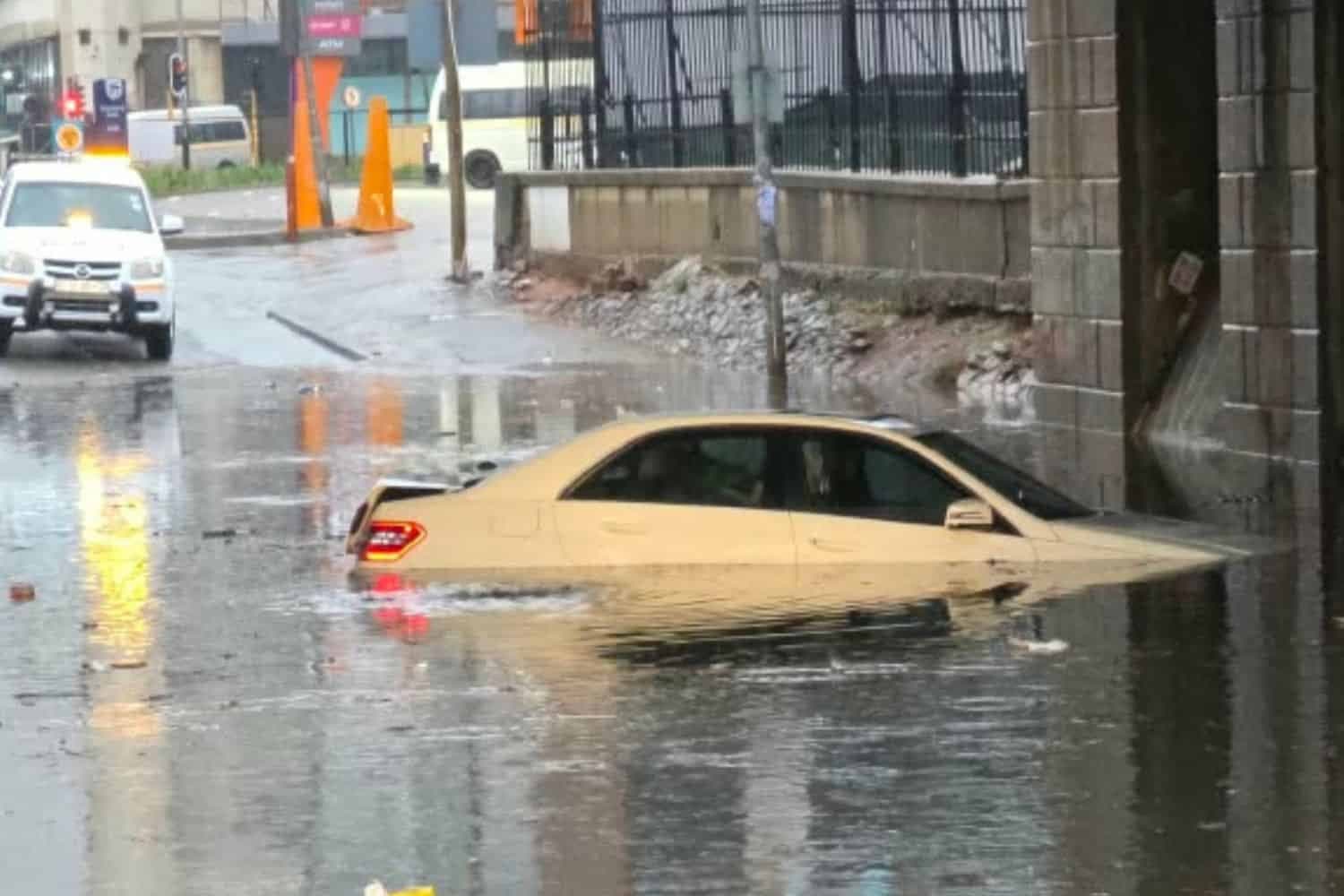
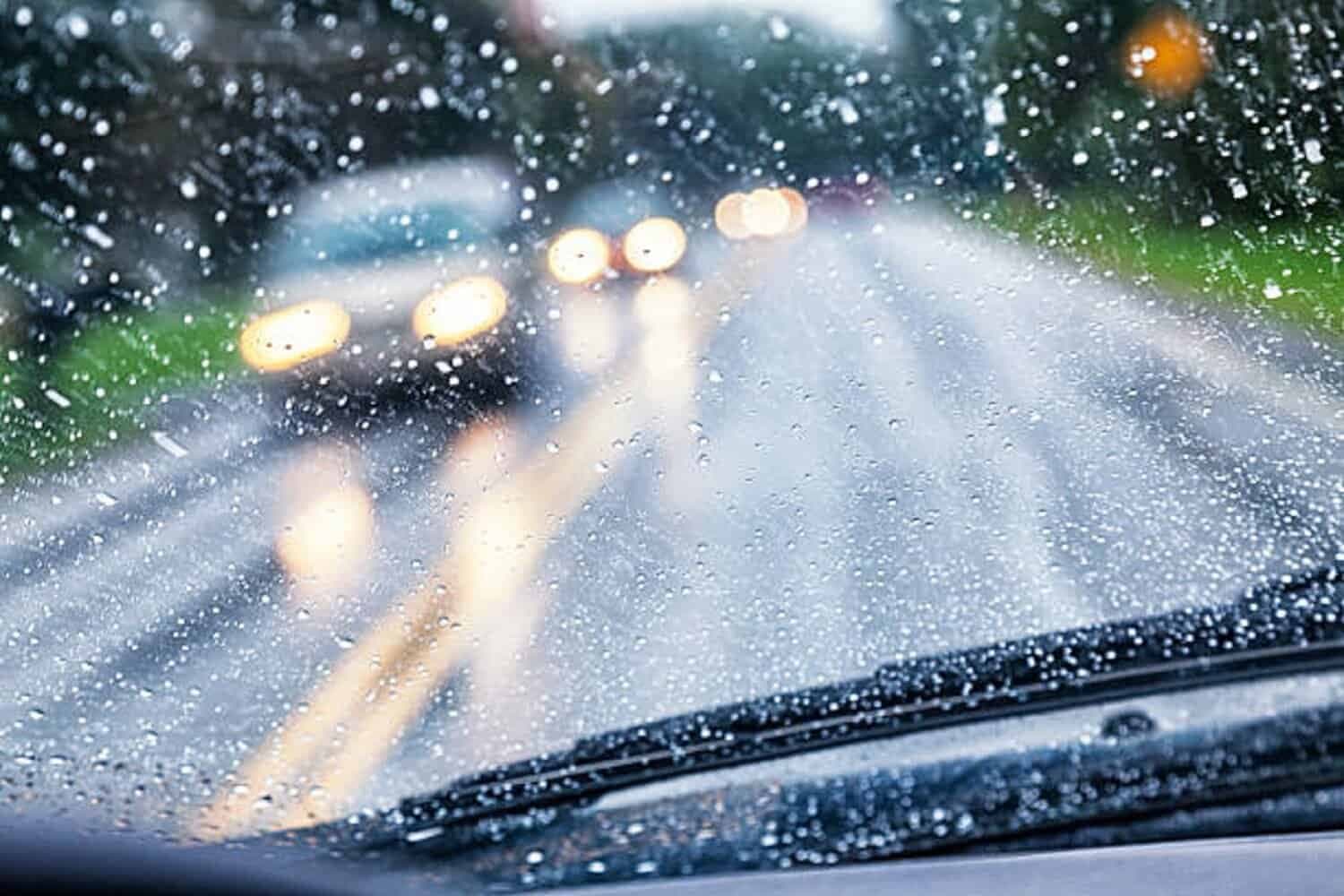
Although the specific meteorological details of the severe weather warning have not been extensively detailed in the initial reports, indicators associated with the alert point toward the threat of flooding. Visual data linked to the emergency reports highlights localized flooding as a primary concern. In Johannesburg, heavy downpours can quickly lead to flash flooding, particularly in low-lying areas, informal settlements, and sections of the city with compromised drainage systems.
While the heightened readiness of emergency personnel is confirmed, several aspects of the weather event remain unclear. The exact duration of the severe weather warnings and the precise geographic areas within Johannesburg expected to experience the most intense conditions have not been specified. Furthermore, it remains unknown whether any localized damage or incidents have already been recorded, or if specific evacuation plans have been activated for vulnerable communities.
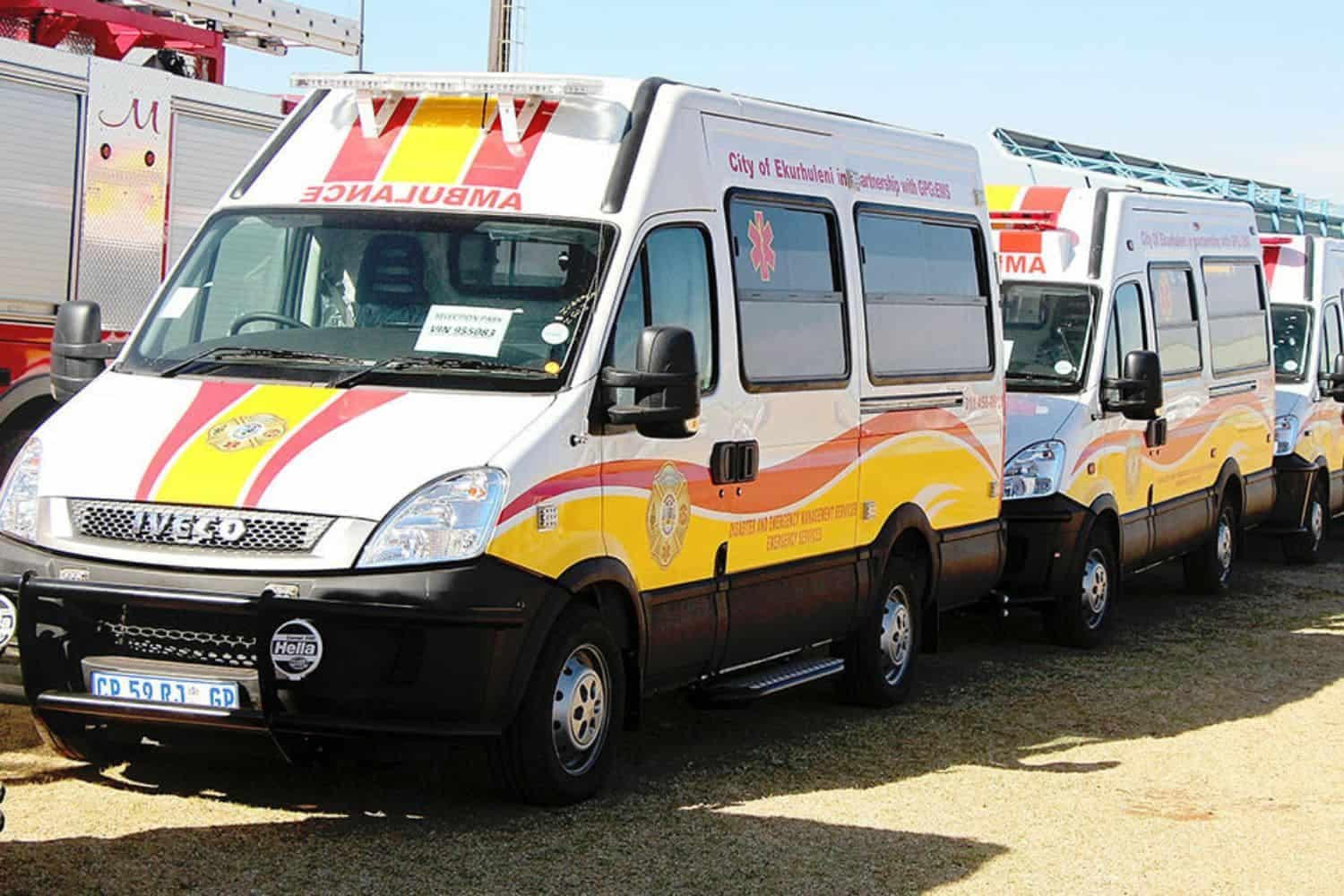
The decision to place emergency services on high alert is a critical operational step for the City of Johannesburg. This status typically ensures that response teams, including fire and rescue services, medical personnel, and disaster management coordinators, are on standby with necessary equipment. In an urban environment of Johannesburg's scale, early mobilization can significantly reduce response times during flash floods or wind-related structural damage.
For residents and commuters across the city, the high alert serves as an important advisory to exercise caution. During severe weather events in Johannesburg, road conditions can deteriorate rapidly, making daily commutes hazardous. Motorists are generally cautioned against attempting to cross flooded roads or low-water bridges, as flowing water can easily sweep vehicles away. Similarly, pedestrians are advised to avoid crossing active watercourses and to stay clear of storm-water infrastructure.
The vulnerability of Johannesburg's urban infrastructure during severe weather is a well-documented challenge. Rapid urbanization and aging storm-water networks can lead to rapid water accumulation during intense rainfall. By keeping emergency services on high alert, the municipality aims to mitigate these systemic risks, ensuring that any blockages or localized flooding incidents are managed before they escalate into major disasters.
As the weather situation unfolds, the public is advised to keep a close eye on official updates. What remains to be seen is how the weather patterns will develop over the coming days and whether the South African Weather Service or local municipal authorities will issue more localized, high-priority alerts. Residents should rely on verified news channels and official emergency services communications for real-time safety instructions and road closures.