A provocative new opinion piece published by the prominent South African national news outlet, The Citizen, has captured the attention of local readers, sparking discussions across viral news networks. Released in the early hours of Monday, 21 September 2026, the article carries the intriguing title, "Is Pinocchio being led by the nose?" The publication of this commentary highlights the ongoing appetite among South Africans for sharp, metaphorical political analysis that challenges both local and international figures.
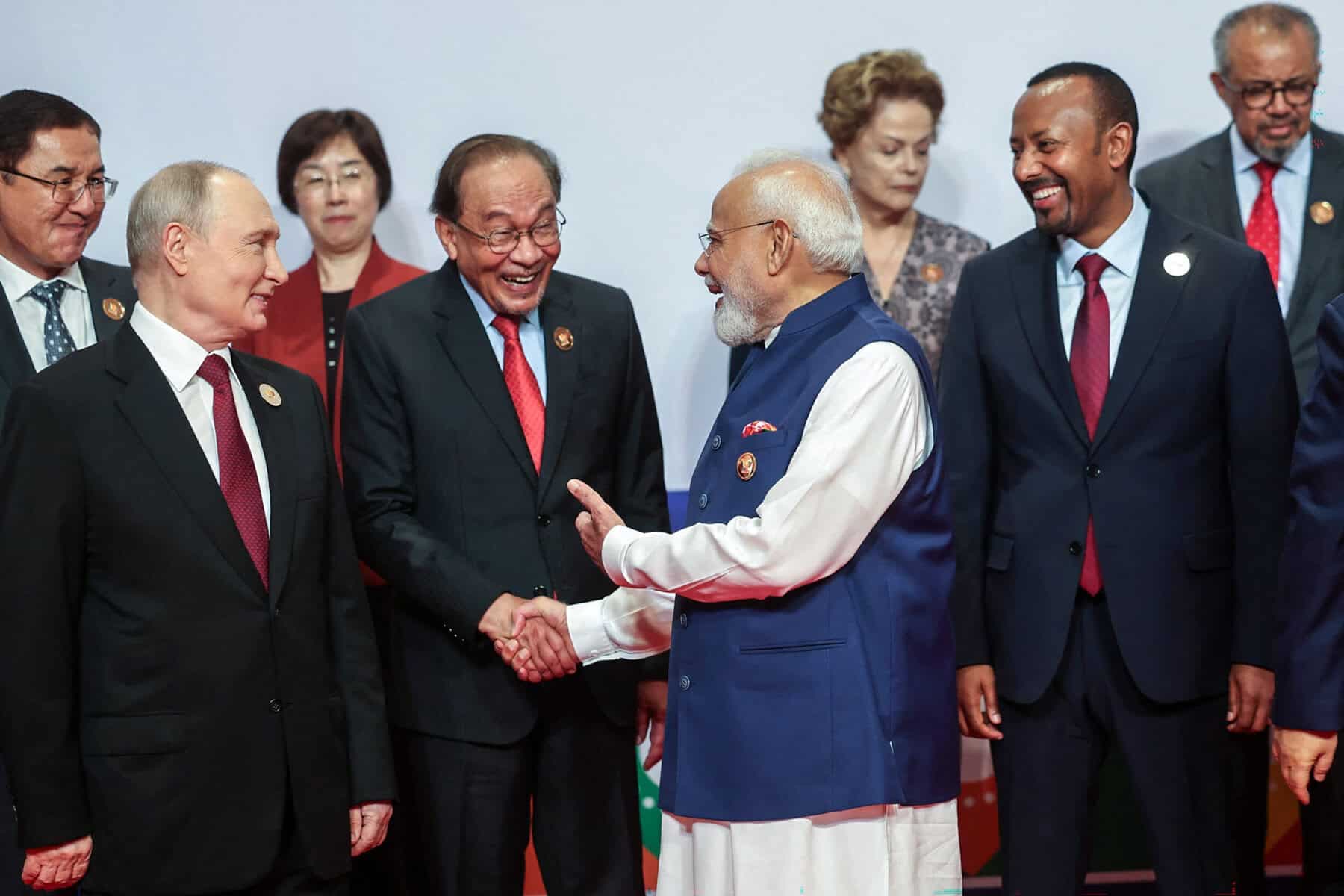
According to the verified media data, the article was published at 03:30 UTC and has been categorised under the opinion section of The Citizen. While the full text of the column has not been disclosed in the primary trend data, an important clue regarding its focus lies in its associated visual media. The article features an image file titled "Donald-Trump-allies.jpg," which was uploaded in August 2026. This detail strongly suggests that the commentary involves the political manoeuvres, influence, or controversies surrounding allies of the former United States President, Donald Trump.
The use of the "Pinocchio" metaphor is a classic literary device in political journalism. Pinocchio, the fictional wooden puppet whose nose grows longer with every lie he tells, is also famously naive and easily manipulated by untrustworthy characters. When a commentator asks if "Pinocchio is being led by the nose," they are typically questioning whether a prominent public figure is acting as a puppet for more powerful, behind-the-scenes actors, or if their public statements are built on a foundation of untruths.
In the context of global politics, references to Donald Trump and his political allies frequently generate intense debate in South Africa. South African readers closely monitor American political developments due to their direct implications for global trade, international relations, and diplomatic alignments. By linking the "Pinocchio" metaphor to Trump's allies, the piece likely explores themes of political loyalty, misinformation, or puppet-master dynamics within contemporary conservative movements in the United States.
However, because the complete editorial text remains inaccessible within the current trend report, several key details remain unclear. It is not yet fully verified whether the "Pinocchio" label is being directed at a specific American politician, a South African public figure being compared to US counterparts, or a broader systemic issue within international diplomacy. In South African political discourse, local commentators frequently draw parallels between foreign political scandals and domestic governance challenges, meaning the article could have dual relevance.
The viral traction of this opinion piece underscores the vital role that publications like The Citizen play in South Africa's democratic landscape. By hosting robust, critical, and sometimes provocative opinion columns, the media encourages citizens to think critically about power structures and the truthfulness of political rhetoric. In a country with a highly active and politically engaged population, such articles quickly transition from traditional print and digital platforms into viral social media debates.
For South African readers, the practical implications of these discussions are significant. As global political alignments shift, understanding the influence of international political factions—such as Trump's allies—helps local observers anticipate changes in foreign policy that could affect the African continent. Furthermore, the debate serves as a reminder of the importance of media literacy, urging readers to look beyond headlines and examine the underlying forces shaping public narratives.
Moving forward, observers should watch how this opinion piece continues to circulate online and whether it prompts formal responses from political analysts. As South Africans dissect the metaphor of Pinocchio and his metaphorical puppeteers, the conversation is expected to broaden into a wider critique of political accountability, truth in media, and the global reach of populist political movements.