IPID Launches Probe After Video Shows SAPS Officer Slapping Man Outside Lwandle Station
The Independent Police Investigative Directorate (IPID) has initiated an investigation into an incident outside the Lwandle police station. The probe was launched after video footage emerged showing a police officer slapping a civilian.
The Independent Police Investigative Directorate (IPID) has officially launched an investigation following the circulation of a video showing a police officer slapping a man outside the Lwandle police station. The incident, which has attracted significant public attention, has once again raised serious concerns regarding police conduct and accountability in South Africa. According to reports emerging on 31 August 2026, the watchdog body stepped in swiftly after the footage began circulating online, prompting widespread condemnation of the officer's actions.
While the video clearly depicts the physical altercation outside the police station, many details surrounding the confrontation remain unclear. The specific identity of the police officer involved, as well as that of the civilian who was slapped, have not yet been officially disclosed by authorities. Furthermore, the precise timeline of when the incident occurred and the events immediately preceding the physical assault are still subject to the ongoing investigation.
In South Africa, the Independent Police Investigative Directorate holds a crucial mandate to ensure that members of the South African Police Service (SAPS) operate within the boundaries of the law. Under its legislative framework, IPID is required to investigate any allegations of systemic corruption, deaths in police custody, discharge of official firearms, and physical assaults committed by police officers. The watchdog's involvement in the Lwandle incident underscores the severity with which allegations of physical abuse by law enforcement officials are treated.
Public reaction to the footage has been swift, with many citizens expressing anger over what appears to be an abuse of power. In South Africa, relations between communities and local police stations are often sensitive, and incidents of this nature can severely undermine public trust in law enforcement agencies. The Lwandle community, located in the Western Cape, relies on its local station for protection and service, making allegations of misconduct outside the very gates of the station particularly damaging to local community policing relations.
The role of mobile technology and social media in exposing police misconduct cannot be understated in the modern South African context. Increasingly, citizens are using their smartphones to document interactions with law enforcement officers. These recordings often serve as vital evidence, forcing oversight bodies like IPID to initiate formal inquiries that might otherwise have gone unaddressed. The viral nature of the Lwandle video highlights how digital transparency continues to play a pivotal role in holding public officials accountable.
As the investigation proceeds, IPID will be expected to conduct a thorough forensic analysis of the video footage, interview eyewitnesses who were present outside the Lwandle station, and obtain statements from both the officer and the victim. The outcome of this investigation will determine whether criminal charges will be laid against the officer or if internal disciplinary measures will be instituted by the South African Police Service.
Members of the public and civil society organisations are closely monitoring the situation, calling for a speedy and transparent resolution. Past instances of police misconduct have shown that prolonged investigations can lead to increased public frustration. Consequently, there is high pressure on IPID to provide regular updates and to demonstrate that law enforcement officers are not above the law they are sworn to uphold.
Ultimately, this incident serves as a stark reminder of the ongoing challenges South Africa faces regarding police professionalism. While the vast majority of officers perform their duties under challenging circumstances with dedication, isolated incidents of violence threaten to overshadow their efforts. The resolution of the Lwandle investigation will be a key indicator of the effectiveness of South Africa's independent oversight mechanisms in maintaining discipline and justice within the police service.
Reporting record
How this story was produced
This article was AI-generated from the frozen trend evidence and passed deterministic quality and safety gates. No cross-provider evidence review or independent human verification is claimed for this record.
- Byline
- Newstrends AI Newsroom
- First published
- Last material update
- No later material update recorded
- Distinct source identifiers
- 1 retained source identifier
Frozen source links for this publication
Chronology
Story timeline
A generated chronology for orientation; dates and details may require source verification.
Update
Reports emerge that IPID has initiated an investigation following the circulation of the viral video outside Lwandle police station.
Reader file
Frequently asked questions
01What is being investigated at the Lwandle police station?
The Independent Police Investigative Directorate (IPID) is investigating an incident where a police officer was filmed slapping a man outside the station.
02Who is conducting the investigation?
The investigation is being handled by IPID, the independent watchdog responsible for overseeing the South African Police Service (SAPS).
03Have the identities of those involved been released?
No, the identities of the police officer and the civilian involved in the incident have not yet been officially released.
Keep reading
Related coverage
More published reporting connected to this story.
Crime Stats: Latest Reports Highlight Provinces with Highest Murder, Rape, and Carjacking Rates in South Africa
Newly released crime statistics have highlighted the South African provinces experiencing the highest rates of murder, rape, and carjackings. Published on 30 August 2026, the data emphasizes the regional concentration of violent crime. This provincial breakdown serves as a crucial tool for assessing national security and policing resource allocation.
Gauteng Ambulance Crew Shot at on N1 near Pretoria While Transporting Patient
An emergency medical services crew and their patient faced a terrifying ordeal when their ambulance was shot at on the N1 highway near Pretoria. The incident has raised serious concerns over the safety of first responders on Gauteng freeways. Authorities are investigating the motive behind the attack, which remains unclear.
Three arrested in Johannesburg over theft and illegal sale of clinic abortion medication
Three women have been arrested in Johannesburg for allegedly stealing and selling abortion medication from a local clinic. The incident raises serious concerns over pharmaceutical security and the dangers of unregulated black-market medicine sales.
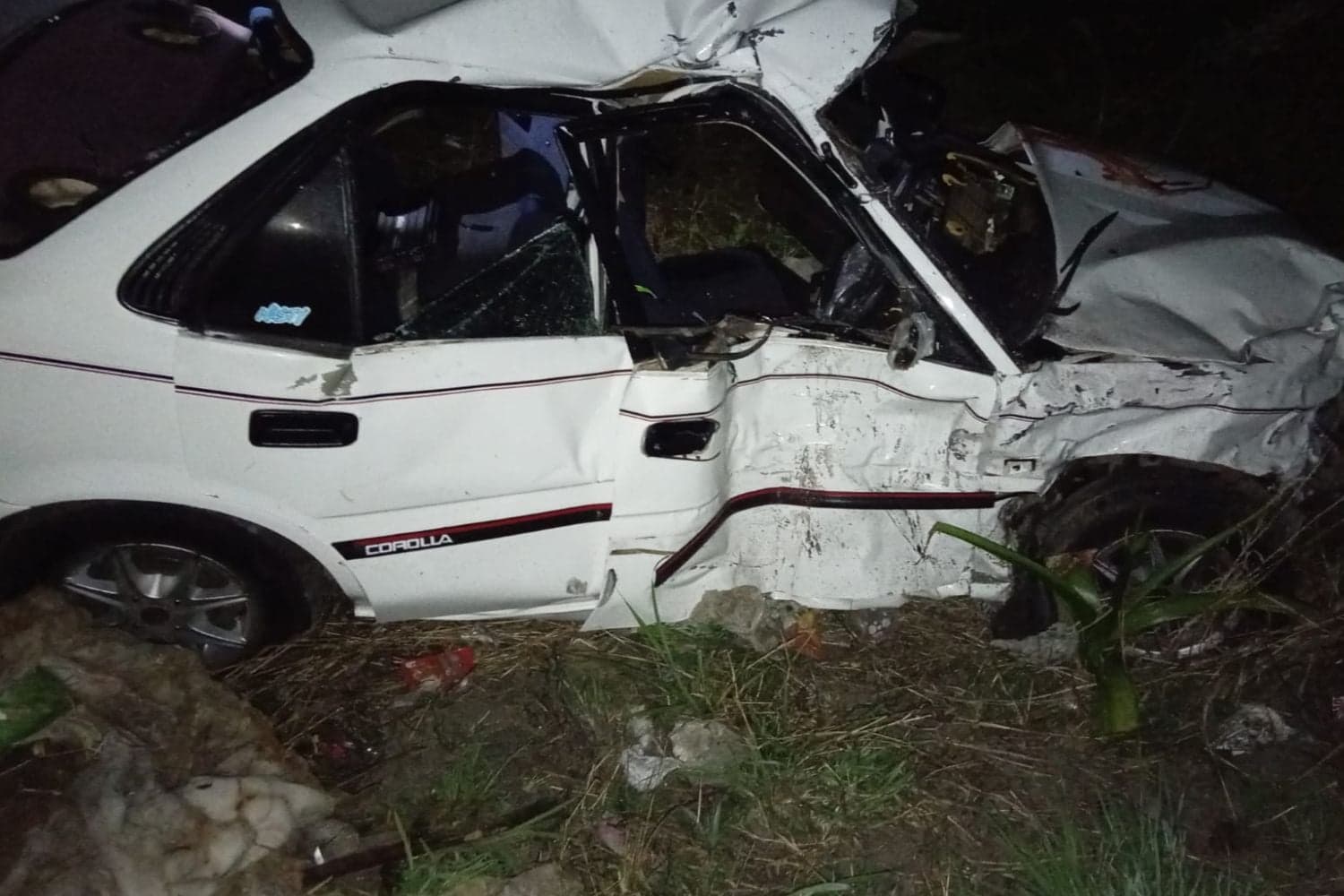
Two Dead and 12 Injured in Tragic Eastern Cape Head-On Collision
A devastating head-on collision in the Eastern Cape has resulted in two fatalities and left 12 others injured. Authorities are investigating the circumstances surrounding the crash as emergency services manage the aftermath.
Soweto Murder Suspect Apprehended Just Hours After SAPS Launches Urgent Manhunt
A suspected murderer in Soweto has been swiftly arrested following an urgent manhunt by law enforcement on 19 August 2026. While specific details about the crime and the suspect remain undisclosed, the rapid arrest has brought temporary relief to the Gauteng community.