Gauteng Ambulance Crew Shot at on N1 near Pretoria While Transporting Patient
An emergency medical services crew and their patient faced a terrifying ordeal when their ambulance was shot at on the N1 highway near Pretoria. The incident has raised serious concerns over the safety of first responders on Gauteng freeways. Authorities are investigating the motive behind the attack, which remains unclear.
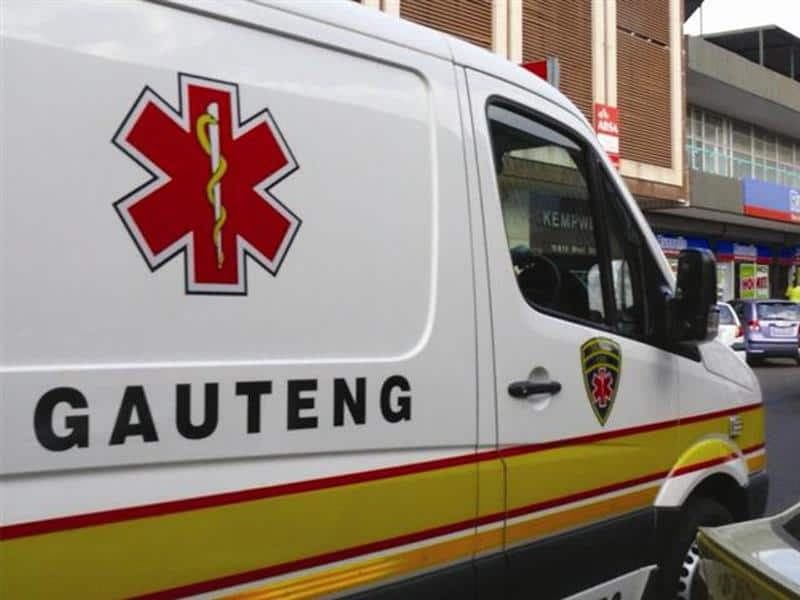
An emergency medical services (EMS) crew in Gauteng faced a life-threatening situation on Friday, 29 August 2026, when their ambulance was shot at while travelling on the N1 freeway near Pretoria. The crew was actively transporting a patient at the time of the targeted incident, raising severe concerns over the safety of first responders operating on major South African transport routes. The shocking attack on the national highway has once again brought the vulnerability of emergency medical personnel into sharp focus, as authorities begin investigating the circumstances surrounding the shooting.
According to initial reports, the Gauteng ambulance was in transit, performing its critical duty of moving a patient to a healthcare facility, when the shooting occurred. The N1, which serves as a primary arterial route connecting Johannesburg, Pretoria, and northern regions, became the scene of violence as unidentified assailants fired upon the emergency vehicle. At this stage, the precise timing of the attack, the exact segment of the N1 where the shots were fired, and the number of rounds that struck the vehicle have not been publicly detailed.
In the immediate aftermath of the shooting, several critical details remain unclear. It has not yet been confirmed whether the ambulance crew members or the patient sustained injuries during the active gunfire, or if they managed to escape the scene unscathed. Furthermore, the motive behind the attack remains entirely unknown. Police and emergency services have not yet clarified whether this was an attempted hijacking, an act of opportunistic highway robbery, or a targeted assault related to the patient being transported.
The location of the incident on the N1 near Pretoria is highly significant. As one of the busiest and most heavily monitored freeways in South Africa, an attack of this nature during transit presents extreme risks to the general public, other motorists, and the responding emergency staff. Operating an ambulance under normal circumstances requires high concentration, but navigating an active shooting scenario on a high-speed national road introduces unprecedented danger for the paramedics at the wheel.
The broader implications of such violence on emergency personnel in Gauteng are profound. When first responders are targeted, it severely compromises the provincial healthcare system's ability to deliver rapid, life-saving interventions. Ambulance crews are forced to operate under extreme duress, often requiring police escorts in certain areas, which can lead to critical delays in patient transport and emergency response times. This incident highlights the growing hazards faced by those dedicated to saving lives on South African roads.
As the situation develops, the public and healthcare community are awaiting official statements from key stakeholders. Key updates are expected from the Gauteng Department of Health, which oversees provincial emergency medical services, as well as the South African Police Service (SAPS). Investigators will likely review highway surveillance footage and gather forensic evidence from the damaged ambulance to identify the perpetrators. Community members and road users are urged to come forward with any information that could assist the police in their investigation.
This alarming shooting on the N1 near Pretoria underscores the urgent need for enhanced security measures and swift justice for emergency workers. While the full extent of the physical and psychological toll on the crew and patient remains to be seen, the incident stands as a stark reminder of the perils faced by frontline medical staff. Until the SAPS and Gauteng health officials release comprehensive updates, the community remains on high alert, hoping for the safety of the affected crew and a decisive response from law enforcement.
Reporting record
How this story was produced
This article was AI-generated from the frozen trend evidence and passed deterministic quality and safety gates. No cross-provider evidence review or independent human verification is claimed for this record.
- Byline
- Newstrends AI Newsroom
- First published
- Last material update
- No later material update recorded
- Distinct source identifiers
- 1 retained source identifier
Frozen source links for this publication
Chronology
Story timeline
A generated chronology for orientation; dates and details may require source verification.
Update
Reports emerge of a Gauteng ambulance crew being shot at on the N1 highway near Pretoria while transporting a patient.
Reader file
Frequently asked questions
01What happened on the N1 near Pretoria?
A Gauteng ambulance crew was shot at while actively transporting a patient on the N1 highway near Pretoria.
02Were there any injuries in the shooting?
At this stage, official reports have not confirmed whether the patient or the ambulance crew sustained any injuries during the incident.
03Who is investigating the incident?
The South African Police Service (SAPS) and relevant health authorities are expected to investigate the shooting.
Keep reading
Related coverage
More published reporting connected to this story.
Malmesbury Teenager Charged Following Investigation Into Child Exploitation Network
A teenager from Malmesbury in the Western Cape has been charged after an investigation uncovered a child exploitation network. Due to legal protections for minors, specific details about the suspect and the charges remain strictly confidential.
KZN Traditional Healer Arrested for Alleged Sexual Assault of Two Girls
A traditional healer has been arrested in KwaZulu-Natal following allegations of sexually assaulting two young girls. The arrest has renewed calls for stricter oversight of traditional practitioners and stronger child protection measures.
Reiger Park Murder: CCTV Footage Raises Serious Doubts Over Arrest of Alleged Suspect
A murder investigation in Reiger Park has been thrown into doubt following the emergence of CCTV footage suggesting the wrong man may have been arrested. As community members demand answers, the South African Police Service faces growing pressure to review the evidence.

Private Investigator Weighs Into Deaths of Cameron Waldeck-Cooks and Ethan Coetzee
A private investigator has reportedly stepped in to examine the circumstances surrounding the deaths of Cameron Waldeck-Cooks and Ethan Coetzee. The development has sparked widespread interest across South Africa as the public awaits official details.
Father of St Stithians Pupil Speaks Out as Police Launch Murder Investigation
The father of a St Stithians pupil has shared a poignant tribute, stating his daughter 'was deeply loved,' following the launch of a murder probe. Authorities are investigating the circumstances surrounding the death, though many details remain unconfirmed.