Impeachment Committee Restarts Search for Evidence Leader After Madonsela Recommendation Rescinded
The South African impeachment committee has restarted its search for an evidence leader following the rescission of a recommendation involving Madonsela. The decision represents a procedural reset for the high-profile legislative inquiry. It remains unclear what specific reasons prompted the committee to set aside the recommendation.
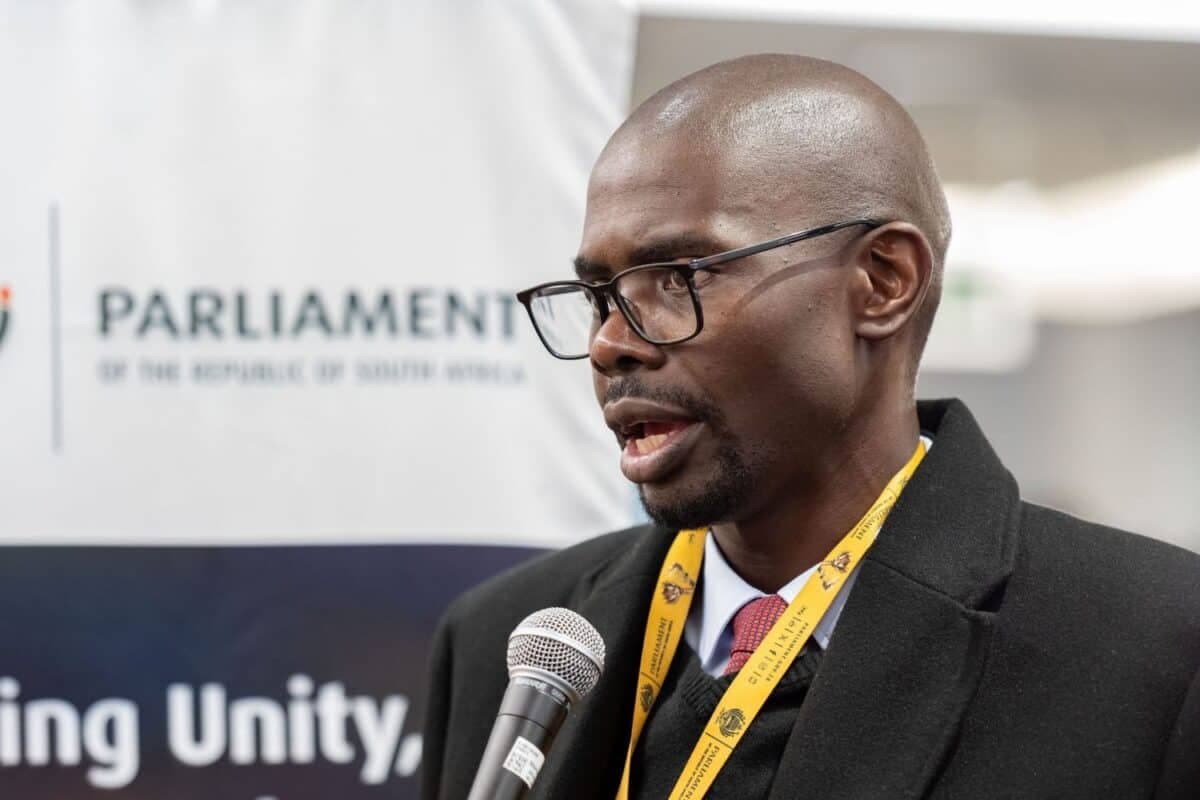
The impeachment committee tasked with overseeing critical legislative inquiry proceedings in South Africa has restarted its search for an evidence leader. This key procedural reset follows the decision to rescind a previous recommendation concerning Madonsela. The development, which emerged on 1 September 2026, highlights the ongoing complexities and stringent procedural requirements governing parliamentary oversight and accountability mechanisms in the country.
According to the limited initial reports published by South African news outlet The Citizen, the committee's search for a qualified individual to lead the presentation of evidence has effectively returned to the beginning. The core of this decision rests on the rescission of a prior recommendation involving Madonsela. Beyond this central fact, specific details regarding the deliberations that led to the rescinding of the recommendation have not been officially detailed in the public record, leaving several questions about the committee's next steps.
In the context of South African parliamentary inquiries, particularly those dealing with the potential removal of public officials, the role of an evidence leader is of paramount importance. The evidence leader is responsible for navigating complex legal frameworks, presenting factual findings to the committee, and questioning witnesses in a fair and objective manner. Because these proceedings are subject to intense legal scrutiny and potential judicial review, ensuring the flawless appointment of an evidence leader is vital to maintaining the constitutional integrity of the entire process.
At this stage, several critical details remain unconfirmed and require further clarification from parliamentary authorities. It is currently unclear what specific factors prompted the committee to rescind the recommendation linked to Madonsela. Furthermore, the available trend data does not specify the full identity of "Madonsela" or the precise nature of the role they were recommended for prior to this decision. Without formal briefings from the committee’s leadership, observers are left to wait for official confirmation on these aspects of the inquiry.
The decision to restart the search highlights the cautious approach that South African legislative bodies must take when conducting high-stakes inquiries. Procedural missteps in parliamentary committees have historically led to lengthy and costly court battles, which can delay accountability and undermine public trust. By rescinding the recommendation and starting the search anew, the committee may be seeking to insulate its future proceedings from potential legal challenges, ensuring that any final outcomes are legally robust.
For South African citizens and political analysts, the immediate focus will be on how quickly the committee can identify and appoint a new evidence leader. Any prolonged delay in this process could stall the broader impeachment proceedings, affecting parliamentary timelines and the general administration of justice. Observers will also be watching for the release of formal committee minutes or statements that explain the rationale behind the decision to set aside the Madonsela recommendation.
As the situation develops, the public can expect further updates from Parliament regarding the revised timeline for the impeachment inquiry. This procedural reset serves as a reminder of the rigorous checks and balances that define South Africa's democratic institutions, where even preliminary recommendations are subject to strict review to ensure complete compliance with the law.
Reporting record
How this story was produced
This article was AI-generated from the frozen trend evidence and passed deterministic quality and safety gates. No cross-provider evidence review or independent human verification is claimed for this record.
- Byline
- Newstrends AI Newsroom
- First published
- Last material update
- No later material update recorded
- Distinct source identifiers
- 1 retained source identifier
Frozen source links for this publication
Chronology
Story timeline
A generated chronology for orientation; dates and details may require source verification.
Update
Reports emerge that the impeachment committee has restarted its search for an evidence leader after rescinding a recommendation involving Madonsela.
Reader file
Frequently asked questions
01Why did the impeachment committee restart its search for an evidence leader?
The committee restarted its search after a previously made recommendation involving Madonsela was rescinded.
02Who is the "Madonsela" mentioned in the committee's decision?
The current public reports do not specify the full identity of the individual referred to as Madonsela or the exact details of the recommendation.
Keep reading
Related coverage
More published reporting connected to this story.

Heritage Month: Debates Ignite Over Commercial Braai Ads Overshadowing Veteran Legacy
As South Africa begins its Heritage Month celebrations, a public debate has emerged highlighting concerns that corporate braai advertisements are eclipsing the legacy of the country's veterans. The critique raises questions about the balance between commercialised celebration and historical remembrance.

Can South Africa Restore Faith in Its Judiciary? National Debate Ignited by Media Report
A prominent South African news outlet has raised critical questions regarding public trust in the nation's judiciary. As debate intensifies, observers highlight the importance of judicial integrity to the country's constitutional democracy.
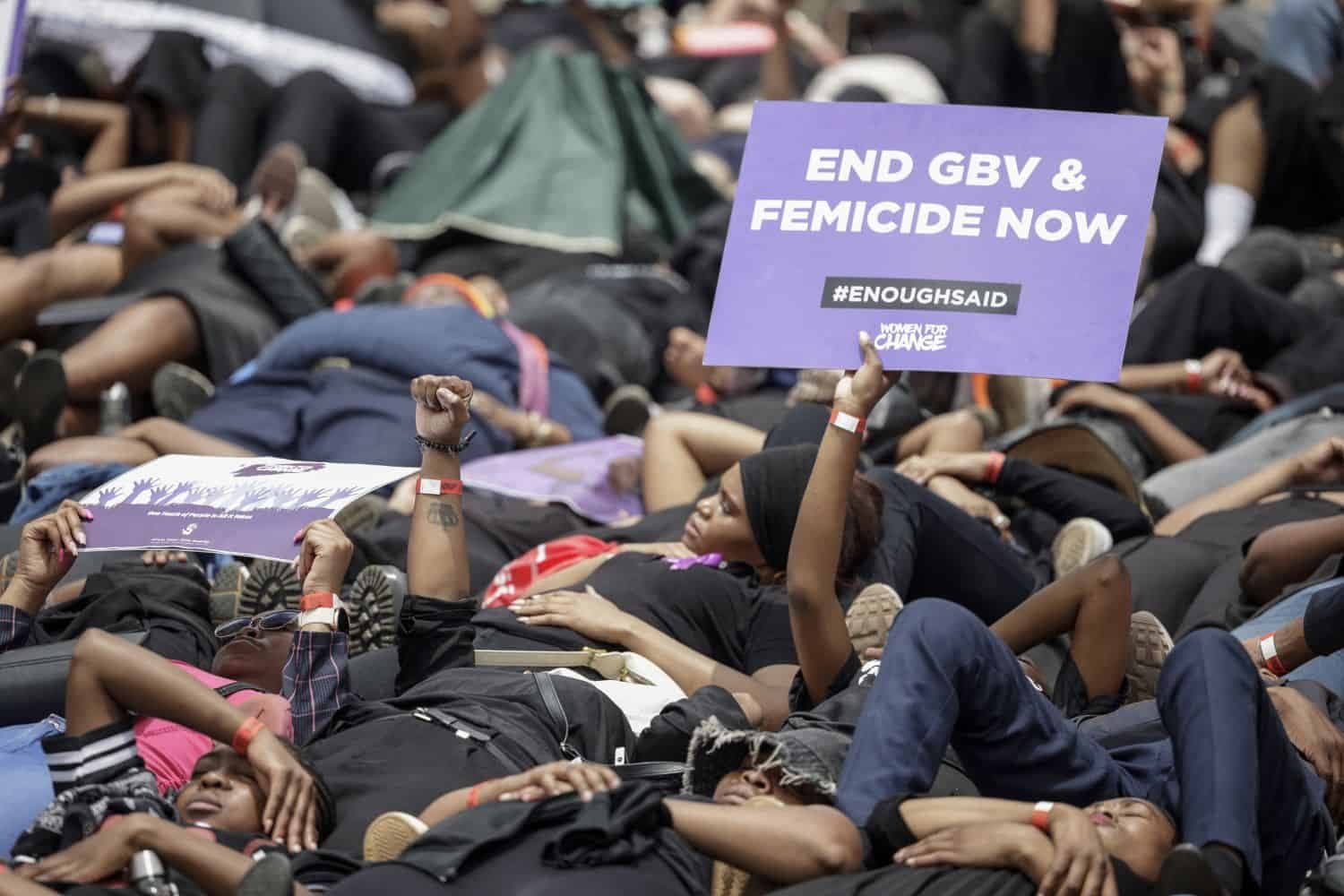
Cosatu Slams New GBVF Council Line-Up as Another 'Bums-on-Seats' Body
The Congress of South African Trade Unions (Cosatu) has strongly criticized the newly announced Gender-Based Violence and Femicide (GBVF) council line-up. The federation dismissed the structure as a 'bums-on-seats' body, raising concerns over the country's institutional fight against gender-based violence.
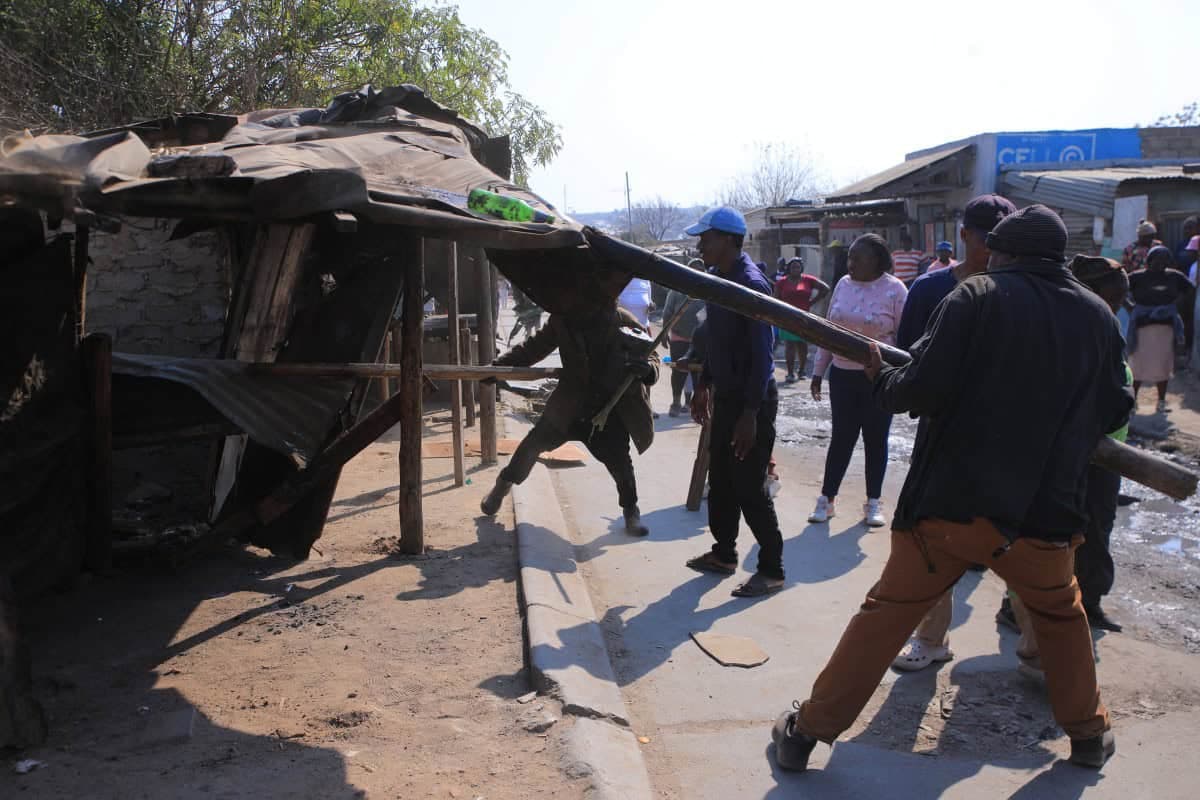
Why Private Immigration Enforcement Costs South Africa Dearly, Warns New Report
An opinion piece published by The Citizen warns of the severe societal and economic costs when private actors take immigration law into their own hands. The development highlights the ongoing tension between state-led enforcement and informal community policing in South Africa.

South Africa Urged to Prioritise Child Welfare Over Political Promises
An opinion piece published by The Citizen calls on South Africa to put children before promises. The commentary highlights the critical need for actionable child protection measures over empty political rhetoric.