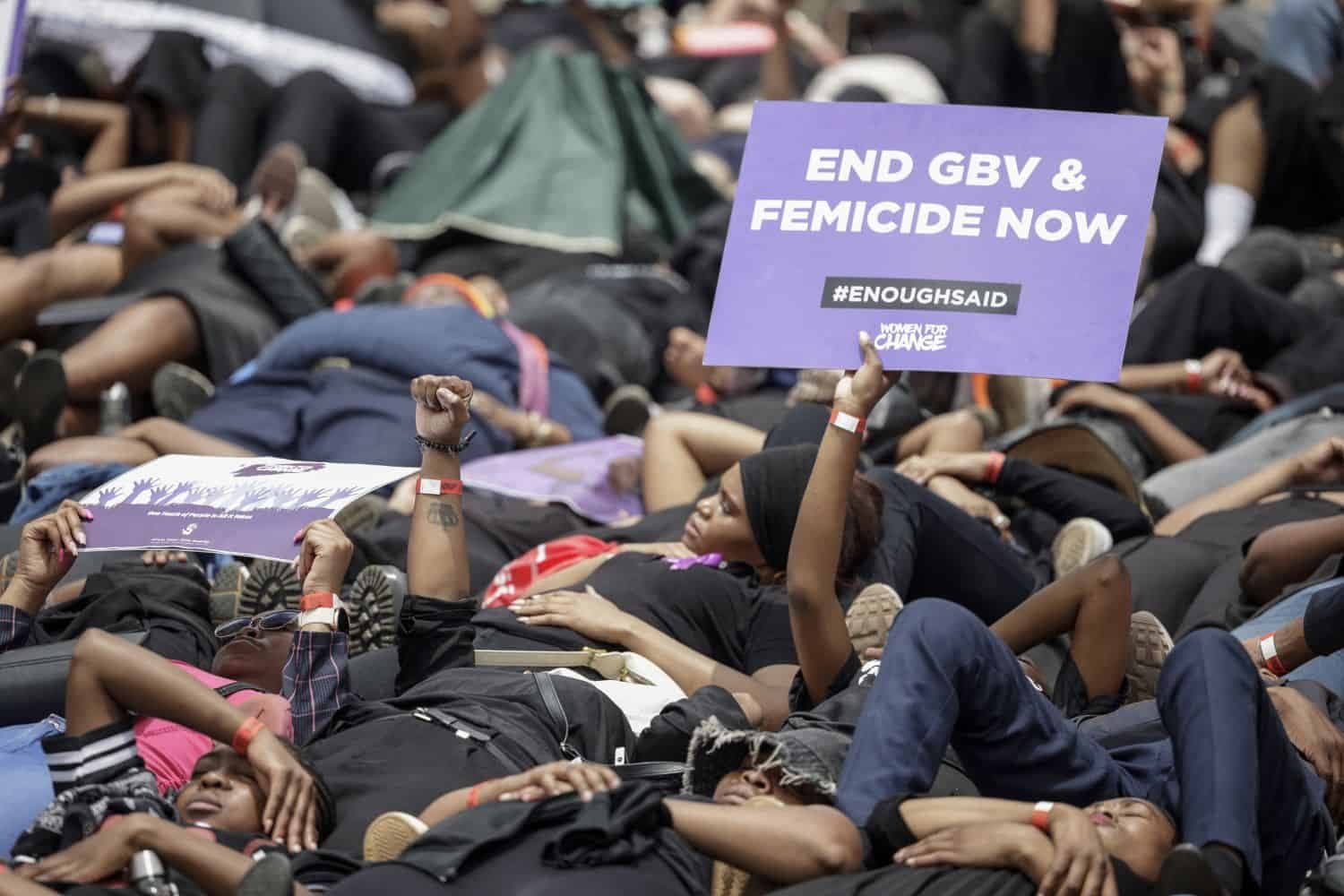
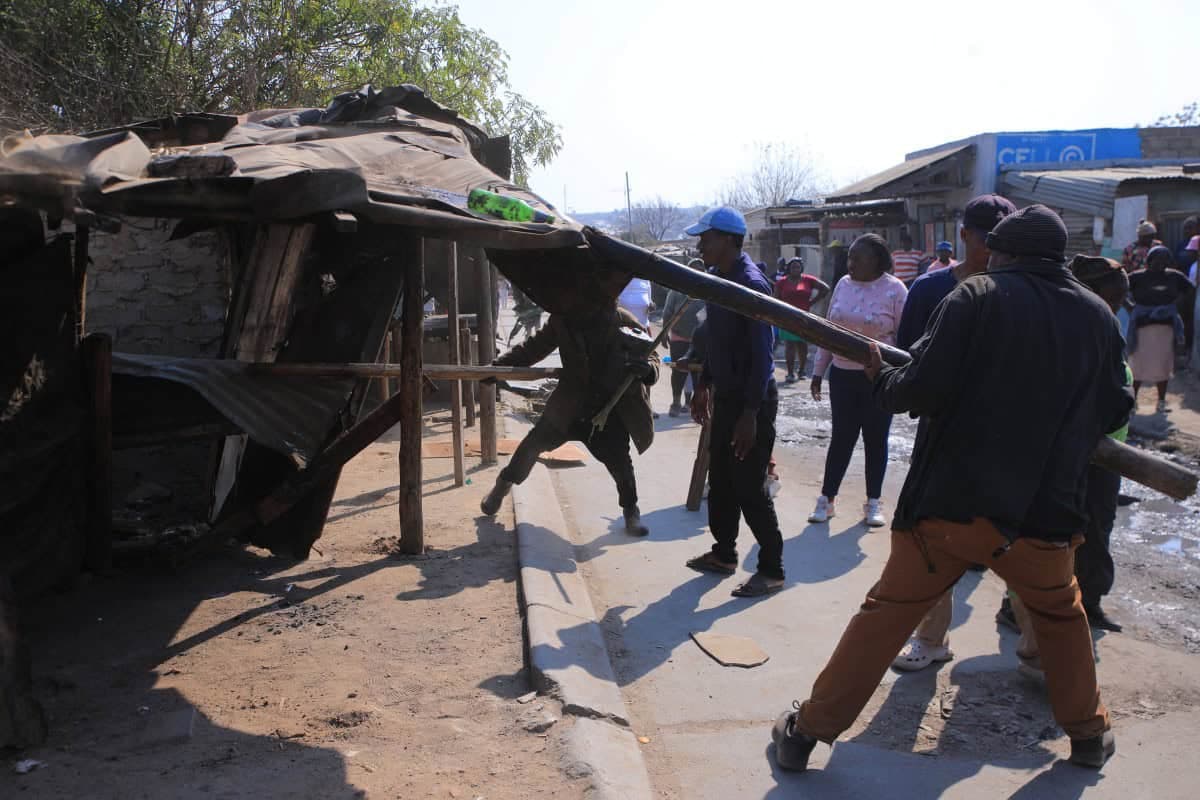
On 21 September 2026, the prominent South African advocacy organisation Women for Change made headlines by sharing its official position on the reinstatement of the death penalty as a potential measure to combat gender-based violence (GBV). This development, which quickly gained traction across social media platforms, highlights the intensifying national debate surrounding punitive measures for perpetrators of violent crimes against women and children in South Africa.
The discussion emerged following a report published by local media outlet The South African, which linked the organisation's stance to broader conversations involving media personality Janez Vermeire. While the exact nature of Vermeire's involvement or his specific comments remain to be fully detailed in the public domain, the intersection of high-profile voices and grassroots advocacy underscores how deeply the GBV crisis resonates across different sectors of South African society.
To understand the significance of Women for Change's position, one must look at the broader landscape of gender-based violence in South Africa. The country has long grappled with exceptionally high rates of violent crime, femicide, and sexual assault. This ongoing crisis has repeatedly prompted citizens, activists, and political figures to call for drastic legal reforms, with some sectors of the public frequently demanding the return of capital punishment as an ultimate deterrent to offenders.
As an organisation dedicated to raising awareness and demanding justice for victims of GBV, Women for Change’s stance carries substantial weight. In South Africa, the death penalty was constitutionally abolished in 1995 following the landmark Constitutional Court ruling in S v Makwanyane. Consequently, any discussion regarding its reinstatement is met with intense legal and ethical scrutiny, balancing the urgent need for victim protection against constitutional rights and international human rights standards.
Based on the initial reports, the precise details of the position shared by Women for Change—specifically whether they support a legislative shift toward capital punishment or advocate for alternative systemic reforms—have not been extensively publicised in the primary trend data. Similarly, the specific context of Janez Vermeire's connection to this announcement remains a point of interest for observers. In a media landscape where viral news can shape public policy discussions, clarifying these specific positions is crucial for constructive national dialogue.
The practical implications of this debate are profound. Reintroducing the death penalty would require a fundamental amendment to the Bill of Rights in the South African Constitution, a move that legal experts warn could undermine the democratic foundation of the country. Advocacy groups are therefore forced to navigate a complex path: demanding the harshest possible consequences for abusers while operating within a constitutional framework that prioritises the right to life and dignity.
Moving forward, South Africans will be watching closely to see how Women for Change elaborates on this position and whether other civil society organisations align with or oppose their view. The role of influential figures like Janez Vermeire in elevating these discussions will also be key to watch, as public advocacy continues to play a major role in keeping GBV at the forefront of the national agenda. As the dialogue evolves, the focus remains on finding effective, immediate solutions to protect the vulnerable.