Women For Change Expresses Horror Over the Death of Cameron Waldeck-Cooks
South African advocacy group Women For Change has expressed deep shock and horror following the death of Cameron Waldeck-Cooks. The announcement, which emerged on National Women's Day, has sparked widespread concern as the public awaits further details.
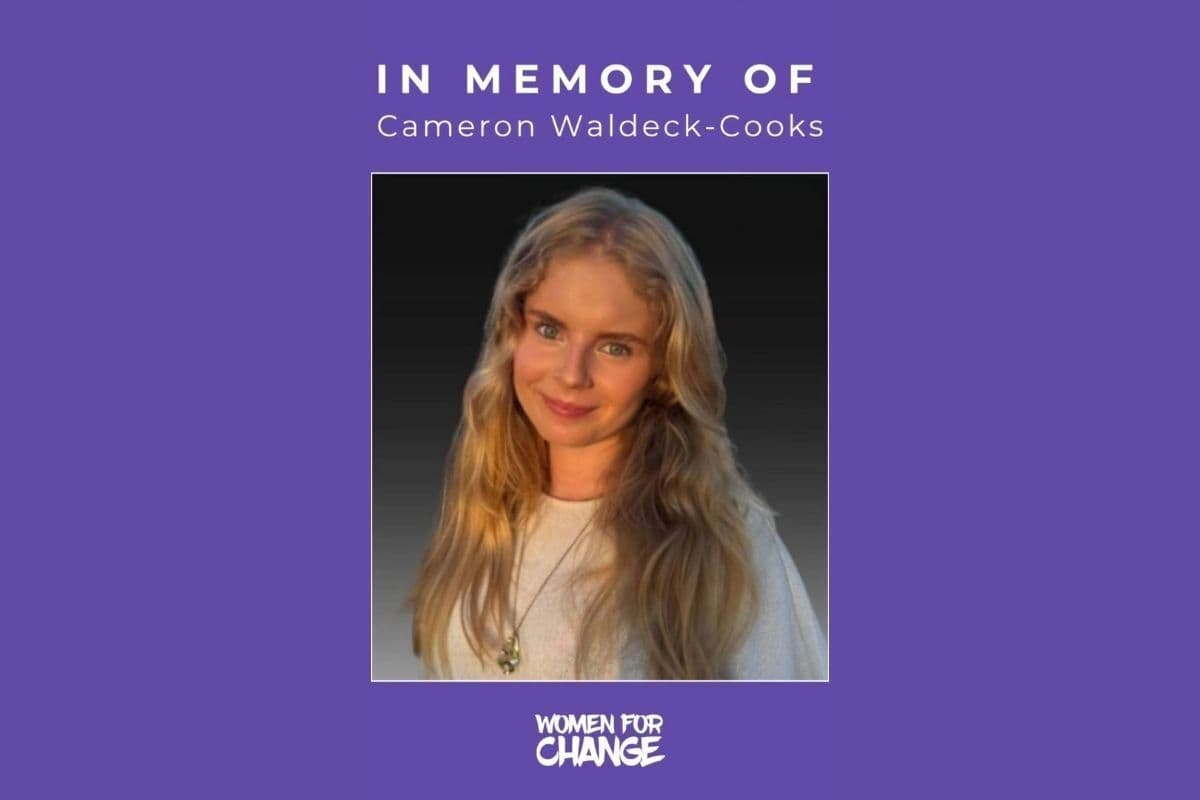
On 9 August 2026, the South African advocacy group Women For Change expressed deep horror following the death of Cameron Waldeck-Cooks. The reaction, which was highlighted in local media reports, has drawn immediate attention across the country. As South Africans marked National Women's Day, the news of this loss has once again brought the issues of safety, violence, and community advocacy into sharp focus.
At the time of reporting, the precise circumstances surrounding the death of Cameron Waldeck-Cooks remain unconfirmed in the initial public statements. While the organization's reaction of being "horrified" indicates a tragic event, official police reports and detailed family statements have not yet been fully detailed in the preliminary media coverage. This lack of immediate clarity highlights a common challenge in the early stages of viral news, where advocacy groups often lead the call for public awareness before formal judicial or forensic details are fully released to the public.
Women For Change is a prominent non-profit organisation in South Africa, widely known for its active campaigns against gender-based violence, femicide, and the disappearances of vulnerable individuals. By sharing cases and expressing public outrage, the group plays a critical role in ensuring that victims are acknowledged and that legal processes are closely monitored. Their immediate public reaction to the death of Cameron Waldeck-Cooks underscores their ongoing vigilance in tracking violence and seeking accountability across South African communities.
The timing of the announcement on 9 August 2026 carries profound local significance. National Women's Day in South Africa is a public holiday that commemorates the historic 1956 march of women to the Union Buildings. It is a day traditionally dedicated to reflecting on the rights, safety, and empowerment of women in the country. However, the emergence of tragic news on this specific day often serves as a sobering reminder of the ongoing challenges regarding safety and protection that remain unresolved in many parts of the nation.
When organisations like Women For Change highlight tragedies such as the death of Cameron Waldeck-Cooks, it often triggers a wider national conversation. In South Africa, where communities frequently grapple with high rates of violent crime, such announcements serve as a catalyst for collective mourning and digital activism. These cases regularly lead to renewed calls for the South African Police Service (SAPS) and the justice system to act swiftly, ensuring that thorough investigations are conducted without delay.
In the initial phases of such reports, media professionals and advocacy groups emphasize the critical importance of relying on verified facts. While public emotion and solidarity run high, avoiding speculation is vital to protect the integrity of any potential legal or police investigations. For the public and supporters of Women For Change, the focus remains on supporting the call for transparency while waiting for formal updates from authorized spokespeople or law enforcement officials.
Looking ahead, the public will be closely watching for further developments, including official statements from the family of Cameron Waldeck-Cooks and updates from the police regarding the investigation. The role of advocacy groups will also remain central, as they continue to demand justice and keep the case in the public eye. As more information emerges, this case will likely remain a focal point for those advocating for safety, systemic reform, and accountability in South Africa.
Reporting record
How this story was produced
This article was AI-generated from the frozen trend evidence and passed deterministic quality and safety gates. No cross-provider evidence review or independent human verification is claimed for this record.
- Byline
- Newstrends AI Newsroom
- First published
- Last material update
- No later material update recorded
- Distinct source identifiers
- 1 retained source identifier
Frozen source links for this publication
Chronology
Story timeline
A generated chronology for orientation; dates and details may require source verification.
Update
Women For Change publicly reacts with horror to the news of Cameron Waldeck-Cooks' death on National Women's Day.
Reader file
Frequently asked questions
01Who expressed horror over the death of Cameron Waldeck-Cooks?
The South African non-profit advocacy organisation Women For Change expressed deep horror regarding the death.
02When was the death of Cameron Waldeck-Cooks reported?
The announcement and reaction from Women For Change emerged on 9 August 2026, coinciding with National Women's Day.
03What details have been released about the cause of death?
As of the initial reports, the specific circumstances and cause of Cameron Waldeck-Cooks' death remain unconfirmed by official authorities.
Keep reading
Related coverage
More published reporting connected to this story.
St Stithians 'Murder-Suicide' Reports Draw Strong Reaction From South African GBV Organisation
Reports of an alleged murder-suicide linked to St Stithians have prompted a gender-based violence organisation to highlight the roles of toxic masculinity and violence. While official details remain limited, the incident has renewed national conversations about systemic domestic abuse.

Viral Report Highlights How One Kitchen Appliance Can Lower South African Electricity Bills
A viral report published by The South African has sparked nationwide interest in household energy savings. The article highlights how a single kitchen appliance can help consumers reduce their monthly electricity bills. As utility costs continue to rise, South Africans are increasingly looking to energy-efficient cooking methods to manage their budgets.
Former Steelworker’s 19-Year Wait for Compensation Fund Claim Highlights Systemic Delays
A former South African steelworker has reportedly been waiting 19 years for a Compensation Fund claim resolution. The case has sparked fresh criticism over severe administrative backlogs and systemic inefficiencies within the state-run fund.
South Africans Warned of Fake Overseas Job Scams as Traffickers Target Vulnerable Youth
A critical warning has been issued to South Africans regarding fraudulent overseas employment offers used by human traffickers to target the youth. As economic pressures mount, job seekers are urged to verify all international opportunities to avoid falling victim to transnational syndicates.
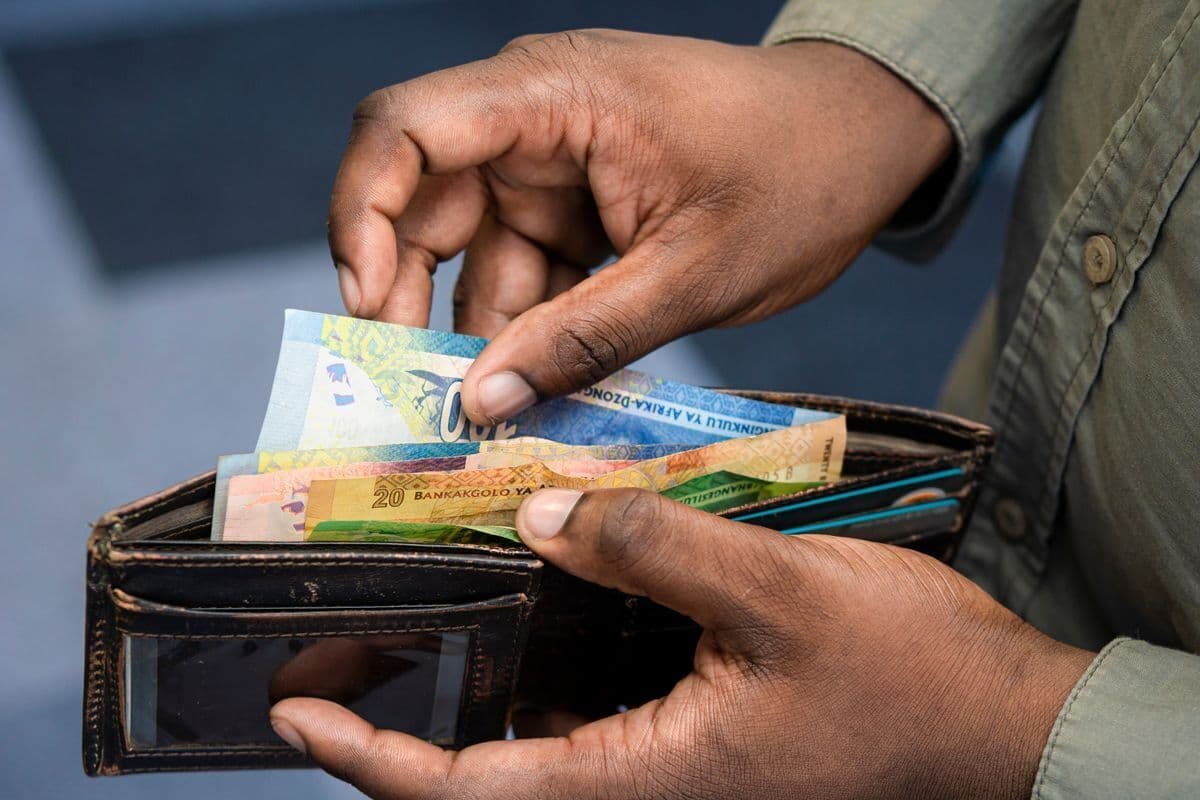
‘We Should Be Getting R10 000’: SA Pensioners Compare Local Grants to Other Countries
A viral discussion has emerged among South African pensioners comparing local state support to international retirement systems. Retirees argue that a monthly pension of R10,000 is necessary to secure a dignified living standard.