Private Investigator Weighs Into Deaths of Cameron Waldeck-Cooks and Ethan Coetzee
A private investigator has reportedly stepped in to examine the circumstances surrounding the deaths of Cameron Waldeck-Cooks and Ethan Coetzee. The development has sparked widespread interest across South Africa as the public awaits official details.
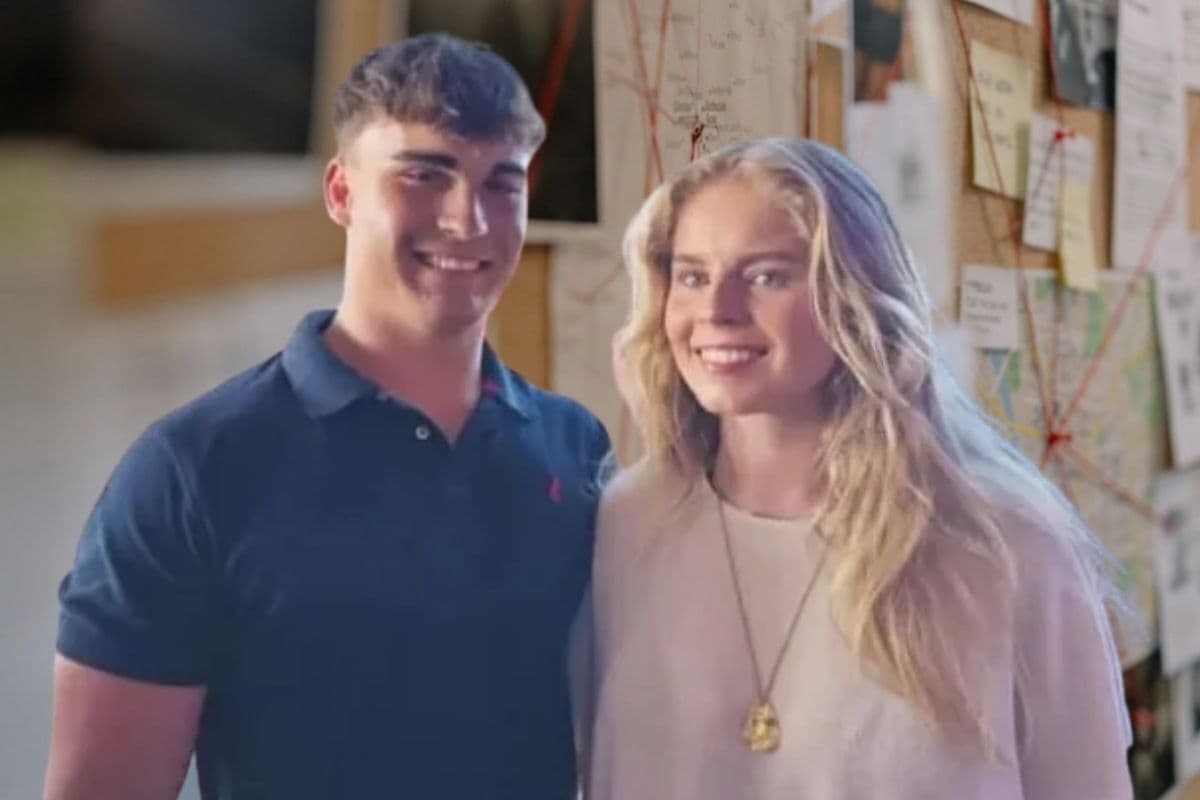
A private investigator has reportedly stepped in to examine the circumstances surrounding the tragic deaths of Cameron Waldeck-Cooks and Ethan Coetzee. The development, first reported by local outlet The South African on 15 August 2026, has rapidly gained traction online, sparking widespread public interest across the country. While official details regarding the case remain tightly guarded, the involvement of private expertise highlights the growing complexity of the matter.
At this stage, the precise circumstances surrounding the deaths of Waldeck-Cooks and Coetzee have not been fully disclosed to the public. Critical details—such as the location of the incident, the exact cause of death, and the timeline of events—remain unconfirmed. Additionally, the identity of the private investigator and the specific nature of their findings have not been made public. It is also unclear whether the South African Police Service (SAPS) is treating the matter as a criminal investigation or an inquest, leaving a significant information gap that has fueled public curiosity.
In South Africa, the involvement of private investigators in high-profile or unresolved death cases is a well-established phenomenon. Families often enlist private firms to provide dedicated focus, especially when state resources are stretched thin. South African PIs must be registered with the Private Security Industry Regulatory Authority (PSIRA) to operate legally. Their role typically involves re-examining crime scenes, interviewing potential witnesses, and analysing forensic reports to uncover details that may have been overlooked during initial inquiries, thereby offering families a parallel avenue for seeking answers.
Despite their investigative capabilities, private investigators in South Africa operate under clear legal limitations. Unlike state police officers, they do not possess the authority to make arrests, execute search warrants, or commandeer state evidence. Any significant breakthroughs or files compiled by a private investigator must be handed over to SAPS and the National Prosecuting Authority (NPA) to be legally actionable. This cooperative dynamic is vital, as the success of any subsequent prosecution relies heavily on the admissibility of the evidence gathered.
For the families of Cameron Waldeck-Cooks and Ethan Coetzee, the period following their loss is undoubtedly challenging. The decision to involve private expertise often reflects a deeply personal quest for closure and clarity during a time of profound grief. While the public's desire for answers is understandable, maintaining respect for the families' privacy remains paramount as the independent probe gets underway.
The rapid spread of this story, categorised as viral news, reflects a broader South African trend where public interest heavily influences the visibility of active investigations. Digital platforms allow citizens to engage directly with developing news, often keeping pressure on authorities to resolve outstanding cases. However, legal experts caution that excessive public speculation on social media can sometimes compromise the integrity of an investigation, emphasising the need for balanced and factual reporting as the case unfolds.
As the situation develops, the public will be watching closely for any official statements from the families of Cameron Waldeck-Cooks and Ethan Coetzee, or from their designated representatives. Key indicators to watch include whether SAPS will issue a formal update, if the private investigator will release a public report of their preliminary findings, and how these developments might shape any future legal proceedings. Until these details are verified, the narrative remains in its early, critical stages.
Reporting record
How this story was produced
This article was AI-generated from the frozen trend evidence and passed deterministic quality and safety gates. No cross-provider evidence review or independent human verification is claimed for this record.
- Byline
- Newstrends AI Newsroom
- First published
- Last material update
- No later material update recorded
- Distinct source identifiers
- 1 retained source identifier
Frozen source links for this publication
Chronology
Story timeline
A generated chronology for orientation; dates and details may require source verification.
Update
Reports emerge indicating that a private investigator has weighed into the deaths of Cameron Waldeck-Cooks and Ethan Coetzee.
Reader file
Frequently asked questions
01Who are Cameron Waldeck-Cooks and Ethan Coetzee?
At this stage, specific personal details, backgrounds, and the circumstances surrounding their deaths have not been publicly disclosed.
02Who is the private investigator involved in this case?
The identity of the private investigator who has weighed into the deaths of Waldeck-Cooks and Coetzee remains unconfirmed in public reports.
03What is the role of a private investigator in South Africa?
In South Africa, private investigators assist families by independently gathering evidence and reviewing cases, but they must hand over all findings to the SAPS for official action.
Keep reading
Related coverage
More published reporting connected to this story.
Blue Uniforms, Blackened Reputations: Viral Article Sparks Debate on South African Police Integrity
A viral opinion piece published by The Post on IOL has reignited intense public debate across South Africa regarding the reputation of law enforcement. The discussion highlights the critical challenges of public trust and systemic accountability facing those in uniform.
‘Get body bags ready’: Andrea Johnson speaks on alleged death threats before Khumalo’s arrest
Reports have emerged detailing chilling death threats, including a warning to 'get body bags ready', directed at Andrea Johnson-Madlanga before the arrest of an individual named Khumalo. The developing story highlights the severe security risks faced by key figures in South Africa's legal landscape.
Gayton McKenzie shares heartbreaking update on sick son: ‘Prepare for the worst’
South African politician Gayton McKenzie has opened up about his son's severe illness in an emotional public statement. The Patriotic Alliance leader urged supporters to prepare for the worst as the family navigates this challenging time.
Father of St Stithians Pupil Speaks Out as Police Launch Murder Investigation
The father of a St Stithians pupil has shared a poignant tribute, stating his daughter 'was deeply loved,' following the launch of a murder probe. Authorities are investigating the circumstances surrounding the death, though many details remain unconfirmed.
Murder Investigation Launched After Teenagers Found Dead at Mpumalanga Lodge
Police in Mpumalanga have opened a murder docket after the bodies of teenagers were discovered at a local lodge. The tragic incident has left families mourning 'an immeasurable void' as authorities search for answers.