Full House for 'Dr Death': AfriForum's Sold-Out Event on Apartheid-Era Project Sparks Intense Interest
A highly controversial event hosted by AfriForum focusing on Wouter Basson's apartheid-era project has officially sold out. The "full house" status of the event highlights the ongoing public fascination and debate surrounding South Africa's sensitive history.
An event organised by the South African civil rights organisation AfriForum, focusing on the highly controversial apartheid-era project associated with Wouter Basson—infamously dubbed "Dr Death"—has officially sold out. The high level of public interest in the gathering, reported on 2 September 2026, highlights the ongoing fascination and intense debate surrounding South Africa's sensitive historical narratives.
The event, which has achieved a "full house" status, is centred on the controversial apartheid-era project. AfriForum, an organisation known for advocating for the rights of minorities and promoting Afrikaans cultural interests, is hosting the discussion. However, the specific motivations behind hosting this particular topic at this time, and the exact nature of the presentation, remain key points of interest for political observers and the general public.
The moniker "Dr Death" refers to Wouter Basson, who headed the apartheid state's chemical and biological warfare programme. While the available source material focuses primarily on the sell-out status of the AfriForum event regarding his project, the enduring notoriety of Basson's work continues to elicit strong reactions across the South African political and social landscape, making any public discussion on the matter highly sensitive.
As of the initial reports in September 2026, several key details about the sold-out event have not been fully detailed in the primary source. It remains unclear where exactly the event is being held, who the keynote speakers are, whether Basson himself is scheduled to appear or speak, and how much attendees paid for tickets. Furthermore, the precise agenda of the event—whether it is structured as an academic critique, a historical retrospective, or a platform for debate—has not been explicitly detailed.
The fact that the event has sold out speaks to a complex layer of South African public interest. Discussions around apartheid-era covert programmes often draw significant crowds, reflecting a society still actively grappling with its past. For some attendees, such events represent an opportunity to examine historical facts, while for others, they raise serious concerns about the platforming of figures and projects associated with the apartheid regime's most controversial activities.
In contemporary South Africa, events addressing the country's turbulent past frequently spark intense debate online and offline. With the news categorised under viral trends, the public reaction to AfriForum's event underscores how deeply polarised historical memory and heritage remain. The intersection of civic organisations like AfriForum and highly sensitive historical topics ensures that any public discussion on these matters will be closely monitored by political analysts and human rights groups alike.
Looking ahead, observers will be watching closely for reports emerging from the event itself once it takes place. Key aspects to monitor include the public reception of the presentations, potential statements from political parties or civil society organisations regarding the event, and whether AfriForum or the event organisers release transcripts or video footage of the proceedings. The ongoing discourse surrounding Wouter Basson's legacy and his apartheid-era projects ensures this story will continue to develop.
Reporting record
How this story was produced
This article was AI-generated from the frozen trend evidence and passed deterministic quality and safety gates. No cross-provider evidence review or independent human verification is claimed for this record.
- Byline
- Newstrends AI Newsroom
- First published
- Last material update
- No later material update recorded
- Distinct source identifiers
- 1 retained source identifier
Frozen source links for this publication
Chronology
Story timeline
A generated chronology for orientation; dates and details may require source verification.
Update
Reports emerge confirming that AfriForum's event on Wouter Basson's apartheid-era project has officially sold out.
Reader file
Frequently asked questions
01What is the AfriForum event about?
The event focuses on the apartheid-era project associated with Wouter Basson, who is widely known by the moniker 'Dr Death'.
02Has the event been well received?
While public opinion remains divided, the event has generated high interest, completely selling out and securing a 'full house'.
03Are there details on who will speak or where it is held?
Currently, specific details regarding the venue, the full speaker lineup, and whether Wouter Basson himself will attend have not been publicly detailed in the initial reports.
Keep reading
Related coverage
More published reporting connected to this story.

Tragedy, Grief and Political Shifts: South Africa Reacts to Major National Developments
South Africa is mourning the tragic death of a missing four-year-old child and the passing of boxing legend Zolani Tete. Meanwhile, the national political landscape faces a major shake-up as several National Freedom Party leaders defect to the Inkatha Freedom Party.
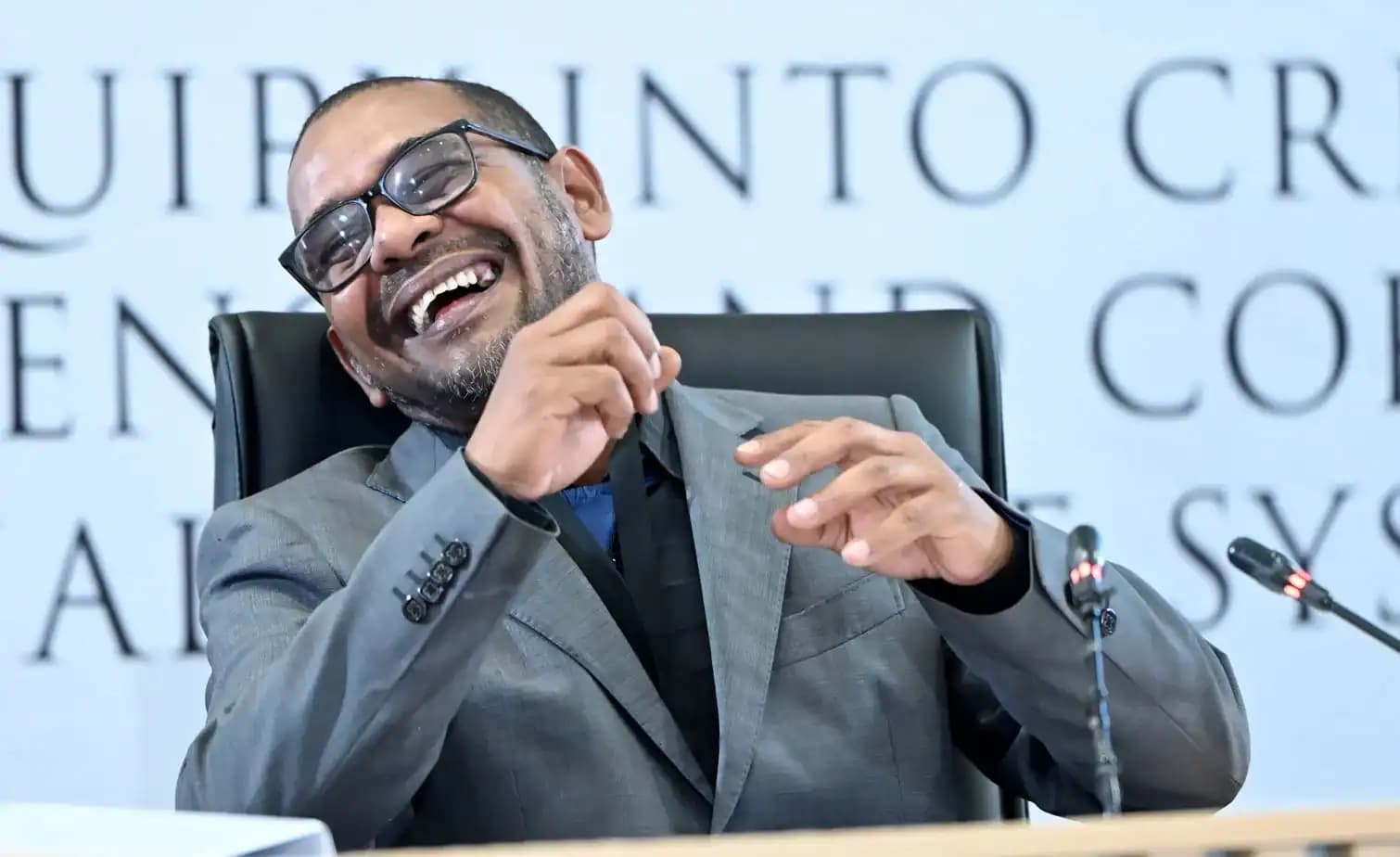
Madlanga Commission: Fadiel Adams Admits to Misleading Minister as 'Dead Man' Defence Unravels
Fadiel Adams has admitted to misleading a government minister during intense questioning at the Madlanga Commission. The admission came as his 'dead man' defence collapsed under scrutiny from Madlanga over key inconsistencies.
Meyiwa Murder Mastermind Still at Large, Claims AfriForum
Civil rights organisation AfriForum has stated that evidence suggests the mastermind behind the murder of Senzo Meyiwa remains at large. This claim raises fresh questions about the completeness of the ongoing legal proceedings and the pursuit of full justice.
Phala Phala: Cachalia Defends Clearing of PPS Members Rhoode and Rikhotso
Cachalia has defended the decision to clear Presidential Protection Service (PPS) members Rhoode and Rikhotso of wrongdoing in the Phala Phala scandal. The move has reignited debate over accountability and transparency in South Africa's security structures.
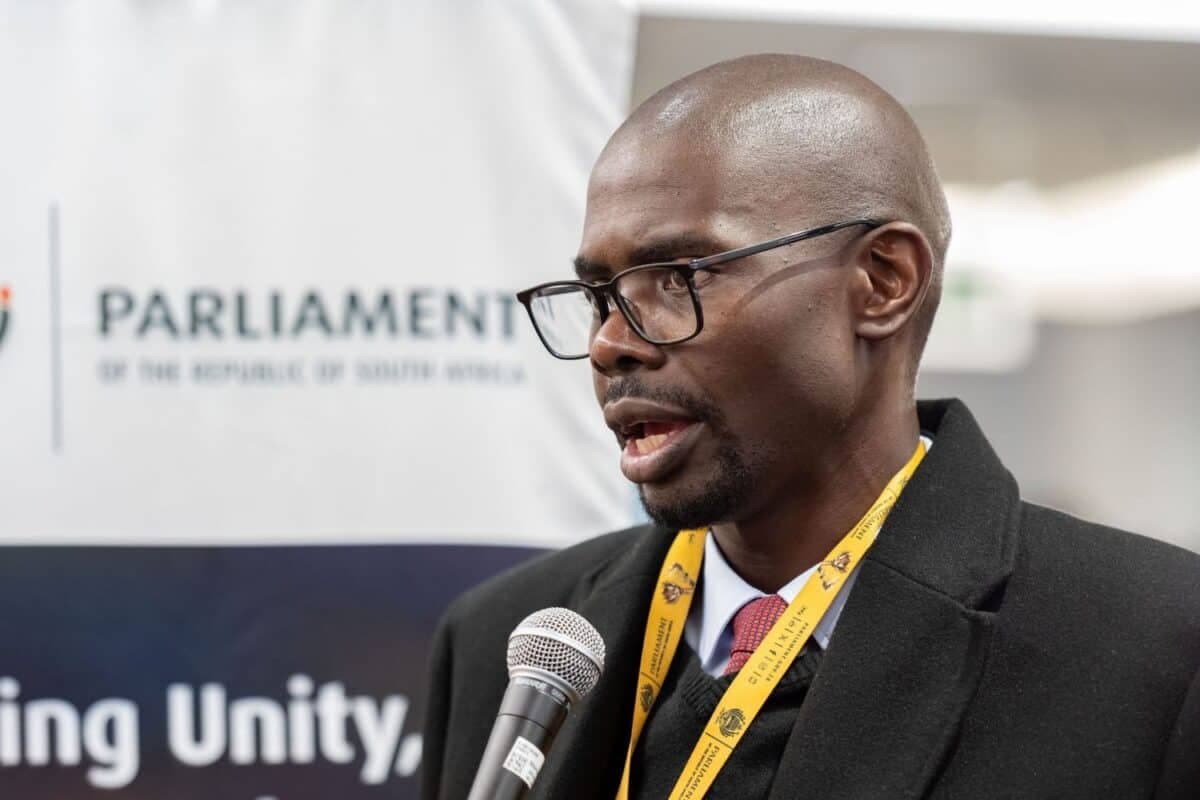
Impeachment Committee Restarts Search for Evidence Leader After Madonsela Recommendation Rescinded
The South African impeachment committee has restarted its search for an evidence leader following the rescission of a recommendation involving Madonsela. The decision represents a procedural reset for the high-profile legislative inquiry. It remains unclear what specific reasons prompted the committee to set aside the recommendation.