Fifth Suspect Julius Mkhwanazi Arrested in Custody Over Ongoing Blue Lights Saga
Authorities have confirmed the arrest of Julius Mkhwanazi, the fifth suspect in the ongoing blue lights saga. Mkhwanazi was arrested while already in police custody, marking a significant step in the multi-suspect investigation.
The South African criminal justice system has recorded a significant development in the ongoing investigation into the controversial "blue lights" saga. On Thursday, 27 August 2026, authorities confirmed the arrest of a fifth suspect, identified as Julius Mkhwanazi. In a striking turn of events, Mkhwanazi's arrest was executed while he was already in police custody on separate, unspecified matters. This development adds a complex layer to a case that has already captured the attention of the South African public.
An arrest executed on an individual who is already in custody is a distinct procedural step in South African law. Typically, this occurs when investigators linking a detained suspect to a separate docket secure a warrant or formalise new charges. For Julius Mkhwanazi, this means that while he was already facing the legal system for prior allegations, he must now formally answer to charges tied directly to the high-profile blue lights investigation. This method of processing suspects ensures that all outstanding allegations are consolidated as the state prepares its prosecution.
At this stage of the proceedings, several crucial details regarding Mkhwanazi’s background and his specific role in the saga remain undisclosed. Official sources have not yet publicised the exact nature of the charges he was initially held on, nor have they detailed his alleged involvement in the blue lights incident. In keeping with standard legal protocols, further specifics are expected to emerge once the accused makes his formal appearance in court, where the state will outline its prima facie case against him and his co-accused.
The phrase "blue lights" carries significant weight in South Africa, often pointing to one of two major public concerns: the conduct of official VIP protection units or the criminal operations of "blue light gangs." The latter refers to syndicates that use unauthorized blue flasher lights and police apparel to hijack motorists on national roads. While authorities have not explicitly classified which category this specific saga falls into, the public interest remains exceptionally high due to the direct threat both scenarios pose to citizens' safety and their trust in law enforcement.
The arrest of Mkhwanazi as the fifth suspect indicates that law enforcement agencies are treating this case as an organized or multi-person operation. In South African jurisprudence, prosecuting a group of co-accused often involves establishing common purpose or demonstrating a coordinated network. The fact that five individuals have now been brought into the net suggests that investigators have spent considerable time mapping out the connections between the suspects, aiming to dismantle the entire operation rather than focusing solely on isolated actors.
For ordinary South Africans, the progress in this case has practical implications for road safety and institutional accountability. The abuse of emergency indicators like blue lights undermines the authority of legitimate law enforcement officers. When motorists cannot distinguish between genuine police officers and criminals or abusive VIP drivers, it creates a climate of fear and hesitation on the roads. Therefore, decisive action and transparent prosecutions in cases of this nature are vital for restoring public confidence in road safety protocols.
As the country watches this case unfold, the immediate next step will be Mkhwanazi's appearance in court alongside the other four suspects. Legal analysts will be watching closely to see if the state opposes bail, particularly given that Mkhwanazi was already in custody when this fifth arrest was executed. The formal reading of the charges will finally shed light on the precise mechanics of the alleged crime, the timeline of the offenses, and the evidence the state has gathered to secure a conviction.
Reporting record
How this story was produced
This article was AI-generated from the frozen trend evidence and passed deterministic quality and safety gates. No cross-provider evidence review or independent human verification is claimed for this record.
- Byline
- Newstrends AI Newsroom
- First published
- Last material update
- No later material update recorded
- Distinct source identifiers
- 1 retained source identifier
Frozen source links for this publication
Chronology
Story timeline
A generated chronology for orientation; dates and details may require source verification.
Update
Julius Mkhwanazi is arrested while in custody, becoming the fifth suspect in the blue lights saga.
Reader file
Frequently asked questions
01Who is Julius Mkhwanazi?
Julius Mkhwanazi is the fifth suspect arrested in connection with the blue lights saga. He was arrested while already in police custody.
02What does 'arrested in custody' mean?
It means the suspect was already detained by law enforcement on other matters when the new charges relating to the blue lights saga were officially served to him.
03What is the blue lights saga?
While specific case details remain limited, blue light cases in South Africa generally involve either the abuse of VIP blue lights by officials or criminal impersonation of police officers on national roads.
Keep reading
Related coverage
More published reporting connected to this story.
R600m Meth Lab Bust Sparks Fears of Mexican Cartel Infiltration in South Africa
A massive R600 million methamphetamine laboratory bust in South Africa has raised serious concerns over the potential involvement of Mexican drug cartels. The scale of the operation highlights the growing threat of transnational organized crime networks establishing manufacturing hubs within the country.
Matlala Grilled Over Maumela's R4 Million Payment to Late Taxi Boss Msibi
An intense inquiry has focused on a controversial R4 million payment made by Maumela to the late taxi boss Msibi. Matlala faced sharp questioning over the transaction, raising serious concerns regarding accountability and the purpose of the funds.
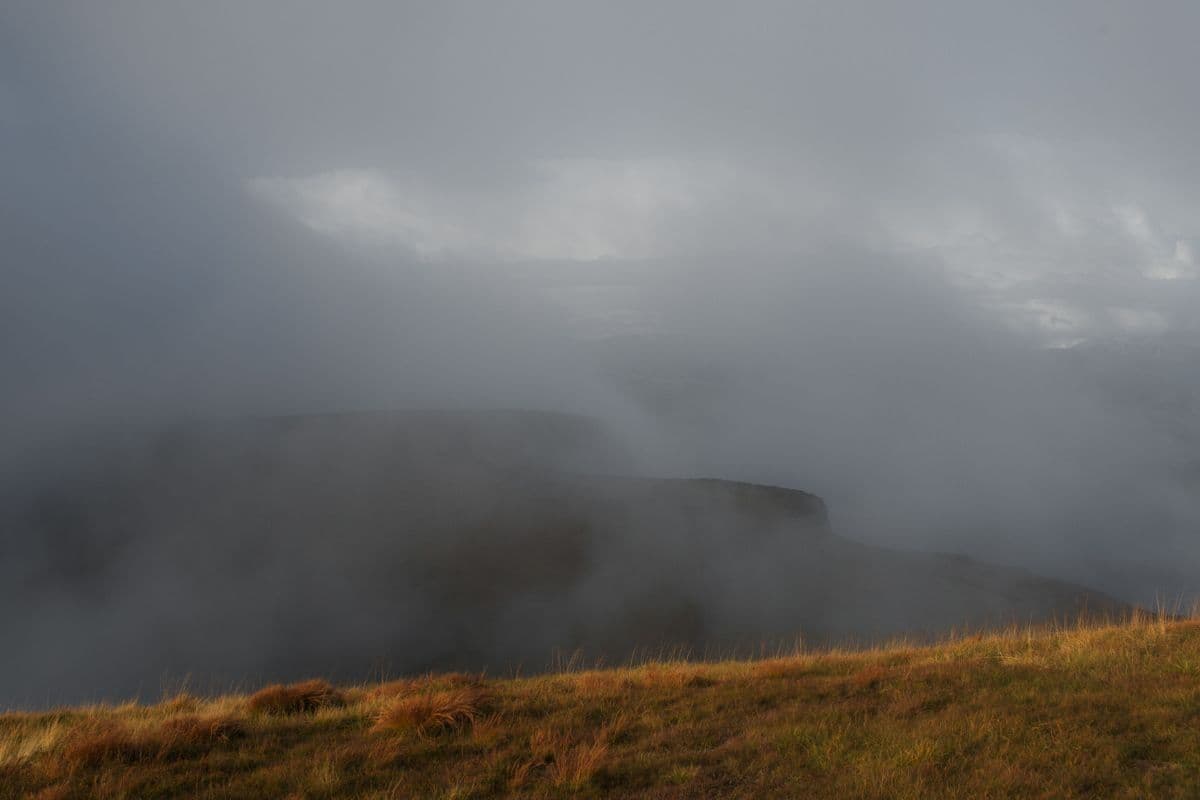
WEATHER: Fog and Cooler Temperatures Set to Sweep Across South Africa This Week
South Africa is bracing for a shift in weather patterns as fog and cooler temperatures set in across the country this week. While specific regional details remain limited, residents are advised to prepare for reduced visibility and colder conditions.

Fine, Cool to Warm Weather Expected Across South Africa as Spring Approaches
South Africa is set to experience fine, cool to warm weather conditions as winter begins to transition into spring. While the general national outlook is positive, specific regional temperature ranges and wind forecasts remain to be detailed.
Fine Weather Expected Across South Africa on Monday, with Rain Possible on Tuesday
South Africans can expect clear and fine weather across the country on Monday, providing a pleasant start to the week. However, a shift in weather patterns may bring rain to several regions by Tuesday.