DMPR Confirms Rustenburg Illegal Miners' Deaths Occurred at Licensed Site
The Department of Mineral and Petroleum Resources (DMPR) has confirmed that the recent deaths of illegal miners in Rustenburg took place at a licensed mining site. The incident highlights critical security and safety challenges within South Africa's active mining operations.
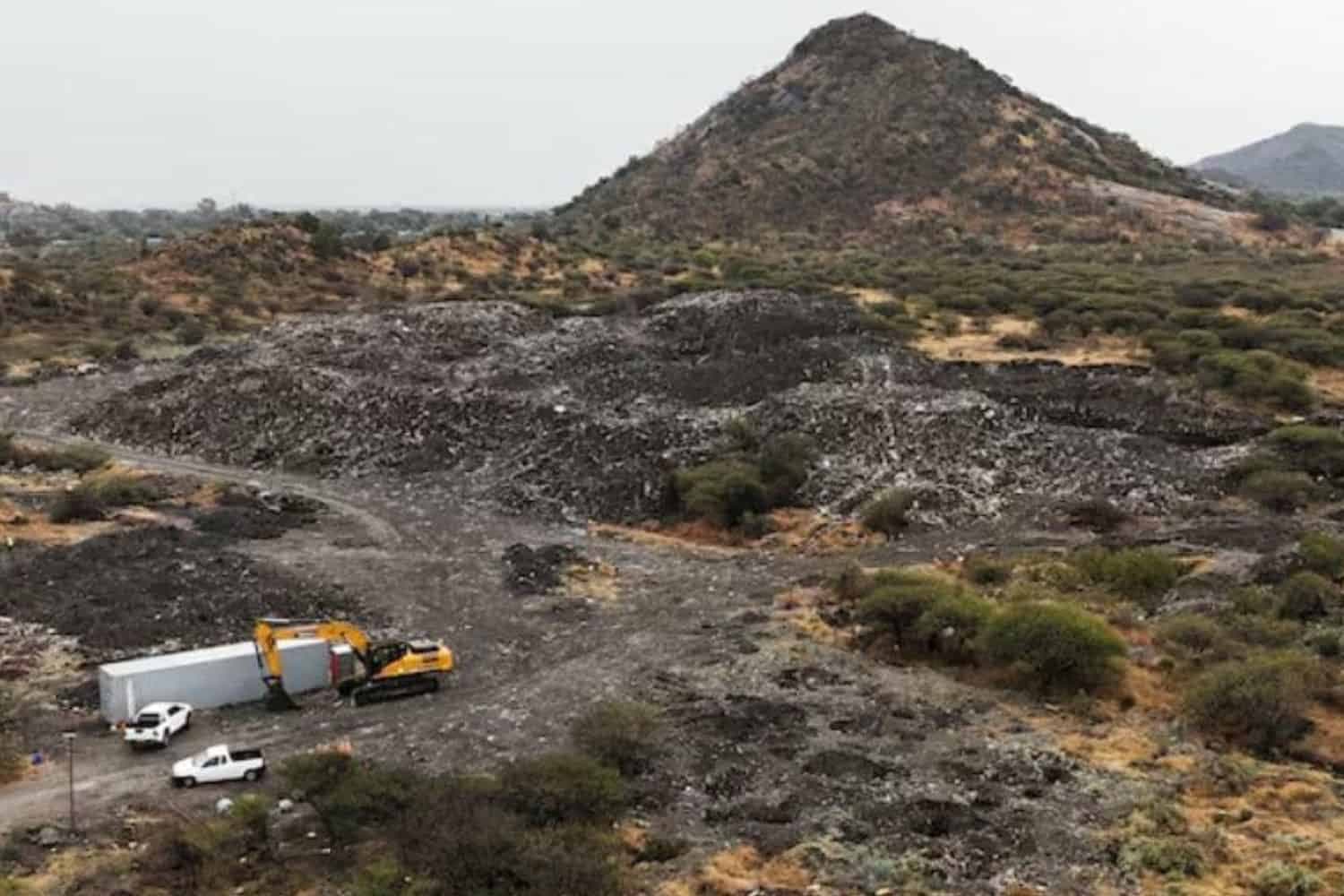
The Department of Mineral and Petroleum Resources (DMPR) has officially confirmed that the tragic deaths of illegal miners in Rustenburg occurred at a licensed mining site. This confirmation marks a significant development in the ongoing investigation into the incident, shifting the focus toward safety protocols and security measures at authorised mining operations in the region.
According to official reports and media signals, the fatal incident took place in the Rustenburg area, a prominent mining hub in South Africa. The site of the tragedy has been linked to the Nkaneng mining area, highlighting the ongoing vulnerabilities of even registered and legally recognised mining operations to unauthorised and highly dangerous intrusions.
At this stage of the investigation, several key details surrounding the tragedy remain unconfirmed by official sources. The DMPR has not yet publicly released the exact number of fatalities resulting from the incident, nor have authorities disclosed the specific causes of death. Furthermore, the identity of the company or entity holding the mining licence for this particular Rustenburg site has not been formally declared, leaving critical questions about operational oversight and corporate responsibility unanswered for the time being.
The confirmation that this tragedy occurred at a licensed facility is highly significant for the South African mining sector. Typically, illegal mining activities—often referred to in South Africa as zama zama operations—are associated with abandoned, ownerless, or disused shafts that lack active security. When illegal mining breaches an active, licensed site, it raises serious legal, financial, and regulatory concerns regarding how unauthorised individuals gained access to the underground workings and whether active mining operations were compromised.
Under South African mining legislation and health and safety frameworks, licence holders bear a strict legal responsibility to secure their properties, shaft hazards, and prevent unauthorised entry. The DMPR's investigation will likely scrutinise whether the licence holder complied with all mandatory security protocols and safety regulations. If lapses are identified by the regulators, the operator could face severe regulatory consequences, including the potential suspension of their mining rights, which underscores the high stakes of this developing situation.
Rustenburg and its surrounding areas are central to South Africa's mining economy, particularly due to the abundance of platinum group metals and other valuable resources. However, the region has increasingly become a hotspot for illicit mining syndicates that exploit these resources. These unauthorised miners often operate under extremely hazardous conditions, navigating unstable underground tunnels without proper ventilation, structural support, or safety equipment, which frequently leads to fatal accidents and environmental degradation.
As the public awaits further details, the immediate focus will be on the official findings of the DMPR and local law enforcement agencies. Observers, labour unions, and community members are watching closely for updates regarding the recovery operations, the formal identification of the deceased, and any official statements from the mining licence holder regarding their security measures and response to the breach.
This incident highlights the complex socio-economic challenges surrounding illegal mining in South Africa. Addressing these issues requires close cooperation between government departments like the DMPR, private mining companies, law enforcement, and local communities to secure mining infrastructure and prevent future loss of life on both licensed and unlicensed properties.
Reporting record
How this story was produced
This article was AI-generated from the frozen trend evidence and passed deterministic quality and safety gates. No cross-provider evidence review or independent human verification is claimed for this record.
- Byline
- Newstrends AI Newsroom
- First published
- Last material update
- No later material update recorded
- Distinct source identifiers
- 1 retained source identifier
Frozen source links for this publication
Chronology
Story timeline
A generated chronology for orientation; dates and details may require source verification.
Update
The DMPR officially confirms that the deaths of illegal miners in Rustenburg occurred at a licensed mining site.
Reader file
Frequently asked questions
01Where did the illegal mining deaths in Rustenburg occur?
The DMPR confirmed that the deaths occurred at a licensed mining site, which has been linked to the Nkaneng mining area.
02Has the identity of the licence holder been released?
No, the identity of the company or entity holding the licence for the site has not yet been officially disclosed.
03Why is the fact that the site was licensed significant?
It raises critical regulatory and legal questions, as licensed operators are legally required to maintain strict security measures to prevent unauthorised entry into active shafts.
Keep reading
Related coverage
More published reporting connected to this story.
Thirty Years On: How South African Women Are Rewriting the Economic Rules
A major media focus has emerged in South Africa highlighting how women have rewritten the rules of the local economy over the last thirty years. While the trend has gone viral, key questions remain regarding the specific sectoral data driving this transformation.

From Homeless in the UK to Billionaire: The Untold Story of a South African's R2.1 Million-a-Week Triumph
A South African woman who endured two years of homelessness in the United Kingdom has reportedly built a massive financial empire. Now earning R2.1 million a week, her extraordinary journey from destitution to billionaire status has captured national attention.

Could South Africa Build Its Own Blue Zone? A New Proposal Sparks Longevity Conversations
A proposal to establish a longevity-focused 'Blue Zone' in South Africa has sparked widespread interest. The concept, which emphasizes community-driven wellness and healthy living, offers a fresh perspective on public health.
SA Explores Lessons From China’s Development Models to Address Economic Challenges
Reports on 12 August 2026 have highlighted the potential for South Africa to learn from China's successful development models. While specific policy details remain unclear, the discussion has reignited debates on state-led growth and economic reform. Analysts are watching closely to see how these foreign models could be adapted to South Africa's constitutional democracy.
Danny K Honors Late Wife Lisa Koppel, Raising Vital Colorectal Cancer Awareness in South Africa
South African musician Danny K has paid a moving tribute to his late wife, Lisa Koppel. The tribute doubles as a public health campaign to raise awareness for colorectal cancer.