SA Explores Lessons From China’s Development Models to Address Economic Challenges
Reports on 12 August 2026 have highlighted the potential for South Africa to learn from China's successful development models. While specific policy details remain unclear, the discussion has reignited debates on state-led growth and economic reform. Analysts are watching closely to see how these foreign models could be adapted to South Africa's constitutional democracy.
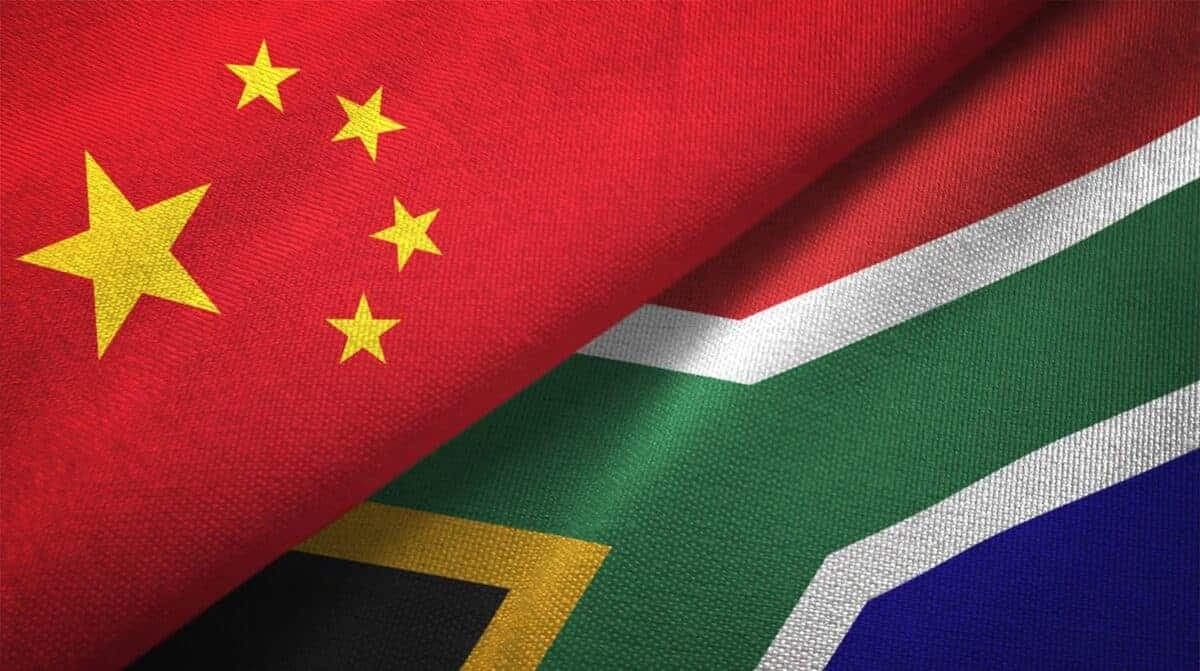
The discussion surrounding South Africa’s economic future has taken a significant turn with new focus directed towards international growth strategies. On 12 August 2026, reports emerged highlighting the premise that South Africa can learn valuable lessons from China’s development models. This topic, which has gained traction in local media circles, particularly through reports by outlets such as The Citizen, has reignited a critical debate among policymakers, economists, and the general public regarding the best path forward for the nation's struggling economy.
At this stage, the specific details of the proposed learning framework remain limited. The initial reports have established the core theme—that China's developmental trajectory offers a viable blueprint or reference point for South Africa—but they have not yet detailed the exact policy areas, sector-specific strategies, or legislative changes that would be required to implement such models. It remains unclear whether the focus lies on China's approach to state-led industrialisation, its management of state-owned enterprises, or its highly successful special economic zones.
Despite the lack of granular detail, the significance of this discussion cannot be understated for South African readers. The country continues to face persistent economic challenges, including high unemployment rates, infrastructure backlogs, and sluggish GDP growth. In this context, looking to China—a country that has transitioned from an agrarian economy to a global industrial powerhouse over the past few decades—presents an appealing prospect for those seeking radical solutions to entrenched domestic issues.
The relationship between South Africa and China provides an important backdrop to this developing story. As key partners within the BRICS bloc, the two nations already share strong diplomatic and economic ties. South African leaders have frequently engaged with their Chinese counterparts on trade and development. However, translating China’s highly centralised, state-driven economic successes into the South African context is a complex task that requires careful consideration of South Africa's unique constitutional and democratic framework.
A key area of debate among local analysts is the structural compatibility of the two systems. China’s development model relies heavily on long-term, centralised state planning and rapid execution, often with minimal regulatory friction. In contrast, South Africa operates under a robust constitutional democracy characterized by a strong judiciary, active civil society, and rigorous public consultation processes. How South African policymakers might adapt Chinese economic strategies while respecting domestic democratic principles and labour laws is a crucial question that has yet to be answered.
The practical implications of adopting elements of China's model could be far-reaching. If South Africa moves to emulate aspects of China’s industrial policy, it could lead to a renewed focus on state-directed infrastructure projects, stricter performance mandates for state-owned enterprises, and the expansion of localized manufacturing hubs. Such moves would inevitably impact local businesses, trade unions, and foreign investors, all of whom have a vested interest in the regulatory stability and economic direction of the country.
Moving forward, observers and citizens should watch for concrete policy proposals or official statements from government departments, such as the Department of Trade, Industry and Competition. It will be essential to monitor whether this discussion translates into formal bilateral agreements, study tours, or policy white papers detailing which specific mechanisms of China's economic model are being earmarked for adaptation. Furthermore, the reactions of local business bodies and labour federations will provide critical indicators of how feasible these proposals are in practice.
While the announcement on 12 August 2026 marks a renewed interest in external developmental models, the path from theoretical learning to practical implementation is long and complex. Until more detailed plans are released, South Africans are left with a compelling concept that highlights the urgent need for innovative economic solutions, but one that requires much more definition before its true impact can be assessed.
Reporting record
How this story was produced
This article was AI-generated from the frozen trend evidence and passed deterministic quality and safety gates. No cross-provider evidence review or independent human verification is claimed for this record.
- Byline
- Newstrends AI Newsroom
- First published
- Last material update
- No later material update recorded
- Distinct source identifiers
- 1 retained source identifier
Frozen source links for this publication
Chronology
Story timeline
A generated chronology for orientation; dates and details may require source verification.
Update
Reports highlight that South Africa can learn from China's development models, sparking national debate.
Reader file
Frequently asked questions
01What was reported about South Africa and China's development models?
On 12 August 2026, reports emerged indicating that South Africa could learn valuable lessons from China's economic and development frameworks to help address its ongoing economic challenges.
02Are there specific details on which policies South Africa will adopt?
Currently, specific policy details, targeted sectors, or implementation plans remain unclear. The discussion is focused on the broad potential of adapting China's development strategies to the South African context.
Keep reading
Related coverage
More published reporting connected to this story.

South Africa Mourns After Reports of Four School Learners Passing Away This Week
The South African public is in mourning following reports that four school learners have died this week. As details surrounding the tragedy remain scarce, communities are calling for official updates and expressing deep condolences.
Monument to Babita Deokaran to be Unveiled on Women’s Day
A new monument dedicated to the memory of Babita Deokaran is scheduled to be officially unveiled on Women's Day. The announcement, reported by the Sunday Tribune, marks a significant moment of national tribute and remembrance.
Three Senior IDAC Officials Suspended in South Africa Following Andrea Johnson's Resignation
Following the resignation of Andrea Johnson, three senior officials at the Investigating Directorate Against Corruption (IDAC) have been suspended. The sudden leadership shake-up has raised questions about the internal stability of the key anti-graft unit.
South Africa and Germany Strengthen Strategic Partnership Through New Joint Action Plan
South Africa and Germany have agreed to a new joint action plan aimed at deepening their strategic partnership. While specific operational details remain undisclosed, the agreement establishes a structured framework for future bilateral and economic cooperation.

South Africa Braces for Cold, Windy Wednesday as Weather Alert Warns of Possible Snow
A weather alert has warned South Africans to prepare for a cold, cloudy, and windy Wednesday on 12 August 2026. The forecast indicates that snow is also possible, though specific regional details remain unconfirmed.