Debate Ignites as 'Cowboy Culture' Editorial Pushes Boundaries in South African Media
A viral opinion piece published by The Citizen has sparked widespread debate across South Africa. Titled 'Cowboy culture pushes boundaries', the article has raised questions about accountability and regulatory compliance. While specific details remain unconfirmed, associated metadata suggests links to prominent local sectors.

A viral opinion piece published by the prominent South African daily newspaper, The Citizen, has sparked intense public debate across the country. Released on 31 August 2026, the article titled "Cowboy culture pushes boundaries" has rapidly gained traction online, positioning itself at the centre of national discussion. While the precise details of the editorial remain closely guarded, the provocative title has prompted South Africans to question which institutions, sectors, or individuals are currently accused of operating outside established rules and pushing acceptable limits.
As a major voice in the South African media landscape, The Citizen frequently highlights critical issues of governance, corporate accountability, and social ethics. An opinion piece of this nature, especially one that goes viral under the banner of "viral news," suggests that the theme resonates deeply with a public increasingly weary of rule-breaking. In the South African context, the term "cowboy culture" is commonly understood to describe a reckless disregard for regulations, rogue decision-making, or an aggressive pursuit of self-interest at the expense of the collective good.
Adding to the intrigue surrounding the publication is the metadata associated with the trending topic. Technical feeds reveal an image URL featuring the terms "Airlink" and "Springboks." This has led to immediate speculation among media monitors regarding whether the "cowboy culture" in question relates to the aviation sector, national sports administration, or corporate sponsorship dynamics. However, it remains entirely unclear whether these entities are the primary focus of the critique or merely contextual elements. Without further official publication of the full text, readers are left to piece together the connection between these high-profile South African brands and the alleged boundary-pushing behaviour.
In South Africa, the aviation and sporting sectors are highly regulated and subject to intense public scrutiny. Airlink, as a major regional airline, and the Springboks, as the beloved national rugby team, represent institutions where operational discipline and ethical standards are paramount. Any suggestion of a "cowboy culture" in these spaces would naturally provoke strong reactions from stakeholders, passengers, and sports fans alike. Consequently, the viral nature of this trend underscores how quickly the public reacts to potential controversies involving national symbols and critical infrastructure.
The practical implications of such media coverage are significant for South African corporate reputation management. When an opinion piece accuses an unnamed entity of pushing boundaries in a "cowboy" fashion, it often forces organisations to review their public relations strategies and internal compliance frameworks. For a general audience, these developments serve as a reminder of the powerful role that opinion and editorial writing play in holding powerful entities accountable, even before formal investigations are launched.
At this stage, much of the narrative remains unconfirmed. The trend data provides the title, the source, and the intriguing image metadata, but does not detail the specific allegations, the author's identity, or the exact boundaries that are reportedly being pushed. To avoid spreading misinformation, it is crucial for South African readers to distinguish between speculative online chatter and verified investigative reporting. What is certain is that the phrase "cowboy culture" has struck a nerve in a country where accountability is a constant focal point of public discourse.
Moving forward, observers should watch for follow-up reporting from The Citizen and other local news outlets to clarify the exact nature of the allegations. Additionally, any official statements from corporate or sporting bodies that may feel implicated by the imagery or the editorial's themes will be critical to monitor. As the story develops, the South African public will undoubtedly demand greater clarity on who is pushing the boundaries and what measures are being taken to restore order and compliance.
Reporting record
How this story was produced
This article was AI-generated from the frozen trend evidence and passed deterministic quality and safety gates. No cross-provider evidence review or independent human verification is claimed for this record.
- Byline
- Newstrends AI Newsroom
- First published
- Last material update
- No later material update recorded
- Distinct source identifiers
- 1 retained source identifier
Frozen source links for this publication
Chronology
Story timeline
A generated chronology for orientation; dates and details may require source verification.
Update
The Citizen publishes the opinion piece titled 'Cowboy culture pushes boundaries', which quickly trends online in South Africa.
Reader file
Frequently asked questions
01What is the 'cowboy culture' article about?
It is an opinion piece published by The Citizen on August 31, 2026, which discusses boundaries being pushed in South African society, though specific details of the allegations remain unconfirmed.
02Are Airlink or the Springboks involved?
While metadata associated with the trend mentions 'Airlink-Springboks' in the image URL, there is currently no verified information linking these specific organizations to any wrongdoing or the 'cowboy culture' allegations.
Keep reading
Related coverage
More published reporting connected to this story.
Raj Babbar Pays Tribute to Kuku Kohli as News Trends in South Africa
South African media outlet Sunday Tribune has reported on a tribute paid by Raj Babbar to filmmaker Kuku Kohli. The news has quickly gone viral among local entertainment fans, reflecting the country's deep cultural ties to Indian cinema.

Lebo Lion: The South African Brand That Keeps Its Real Identity Under Wraps
A recent media spotlight on the digital brand Lebo Lion has sparked widespread interest across South Africa. The discussion explores why the public remains highly familiar with the brand while the creator's real name is strictly guarded.

Why Being Human Beats the Alternatives: South Africans Reflect on Viral Thought Piece
A viral opinion piece published by The Citizen has sparked a philosophical debate among South African readers. The article explores the complexities of the human condition compared to the simpler lives of animals like dogs and doves. It highlights why human consciousness and agency remain unmatched despite modern challenges.
Is Dada Morero’s Apology Too Little, Too Late? Debate Rages Over Political Accountability
Following reports of an apology by Dada Morero, South Africans are debating whether the gesture is sufficient. The controversy highlights growing public demands for swift and sincere political accountability.
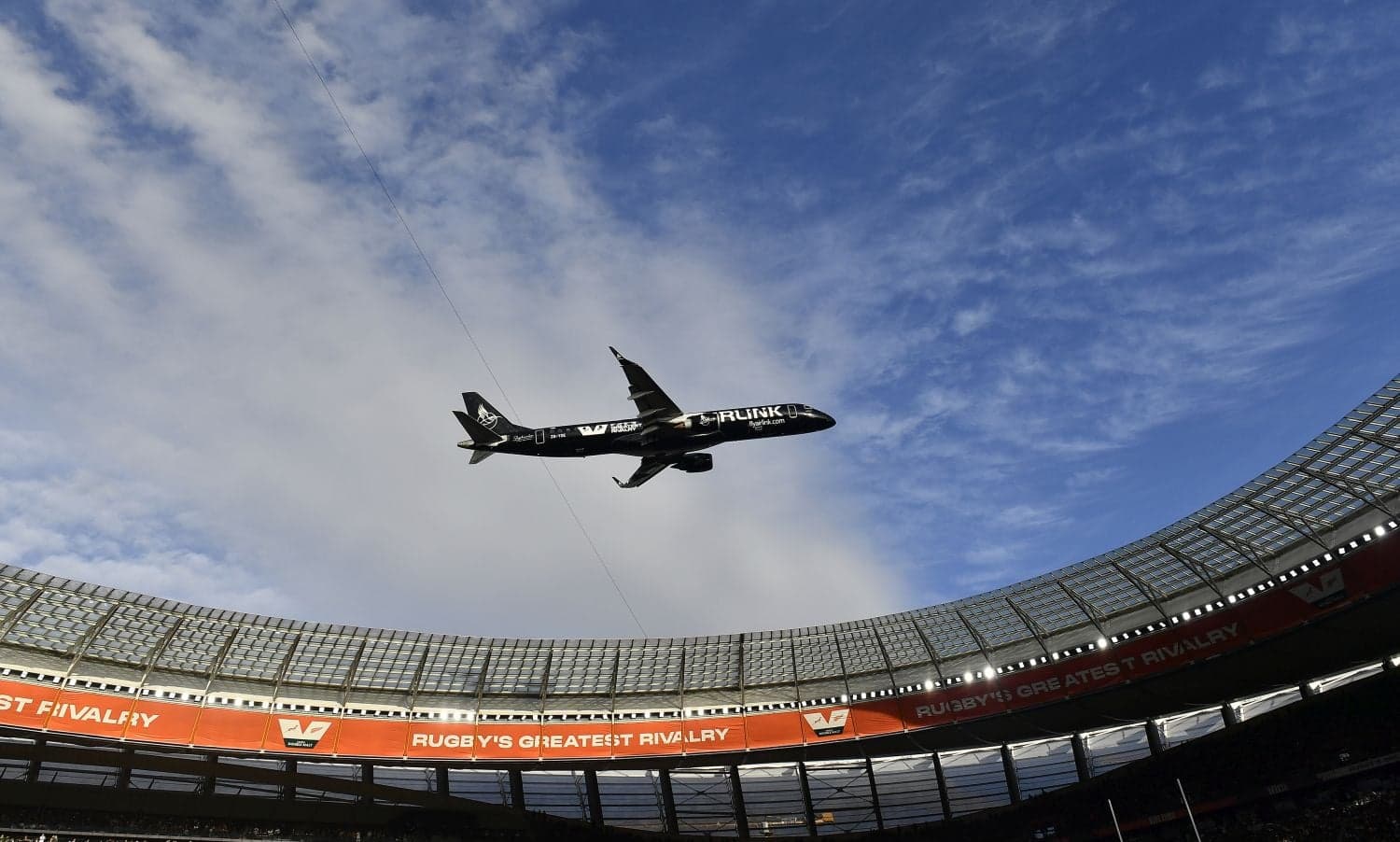
Metres from disaster? Airlink flyover at Cape Town Stadium sparks intense safety debate
A low-altitude flyover by an Airlink aircraft at Cape Town Stadium has sparked a major safety debate in South Africa. While some viewed the display as a spectacular exhibition, others have raised concerns over how close the plane came to the stadium structure.