South African public figure Sipho Ndlovu has addressed the serious domestic assault allegations leveled against him, opening up about the severe social backlash he has faced. In a recent media appearance, Ndlovu expressed the emotional and reputational toll of the accusations, revealing that members of the public quickly labeled him a "woman beater." The development, which surfaced in local media reports on 5 August 2026, has once again brought the sensitive topic of domestic violence allegations in the South African entertainment industry into the spotlight.
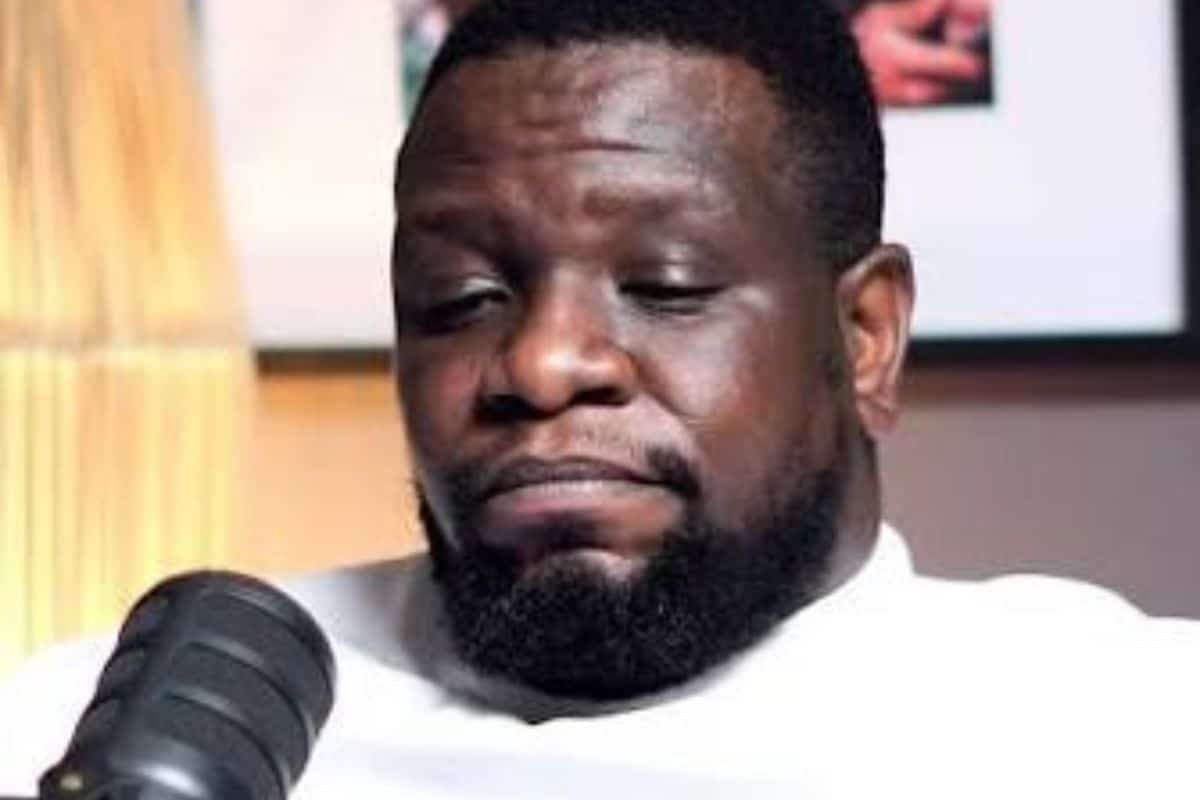
According to initial reports published by South African outlet The Citizen, Ndlovu's remarks highlight the immediate public judgment that often accompanies high-profile allegations of abuse. An image associated with the coverage suggests that Ndlovu made these statements during a podcast interview, a platform increasingly used by public figures in South Africa to share their perspectives on controversial personal matters. While the title of the podcast and the specific episode details have not been fully detailed in the preliminary reports, the quote "People called me a woman beater" underscores the intense scrutiny he has faced.
At this stage, many critical details surrounding the allegations remain unclear. The specific nature of the domestic assault accusations, the identity of the complainant, and the timeline of the alleged incidents have not been publicly disclosed in the available reports. Furthermore, it remains unknown whether formal criminal charges have been laid against Ndlovu, or if the matter is currently being investigated by the South African Police Service (SAPS). In the absence of official legal updates, the public is left with only the initial statements made by Ndlovu regarding the social repercussions of the claims.
The allegations against Ndlovu emerge against the backdrop of South Africa's ongoing crisis of Gender-Based Violence (GBV) and domestic abuse. As a nation grappling with exceptionally high rates of violence against women, public reactions to such allegations are typically swift and highly charged. In South Africa, the court of public opinion often reacts intensely to reports of abuse involving prominent figures, reflecting a collective societal frustration with the systemic nature of GBV. This heightened sensitivity explains the rapid labeling Ndlovu referred to when discussing how people reacted to the accusations.
The apparent use of a podcast platform by Ndlovu to address these allegations highlights a growing trend among South African personalities. Rather than relying solely on traditional press releases or legal representatives, many individuals choose conversational formats to present their side of the story directly to the public. While this allows public figures to express their personal feelings and address their followers without mediation, media analysts note that it does not replace formal legal processes or accountability mechanisms.
For public figures in South Africa, allegations of domestic assault carry significant professional and personal consequences. In recent years, several local celebrities have faced contract cancellations, loss of endorsements, and social media boycotts following similar accusations. While the exact impact on Ndlovu’s career remains to be seen, his public acknowledgement of being called a "woman beater" indicates that the social stigma has already had a palpable effect on his public standing.
As this story develops, observers and the public will be watching closely to see if further details emerge regarding the legal status of the allegations. Key aspects to monitor include whether any formal legal proceedings will be initiated, whether the accuser will release a public statement, and how the broader South African entertainment industry will respond to the situation. Until formal statements are released by legal authorities or the parties involved, the full context of the allegations against Sipho Ndlovu remains unresolved.