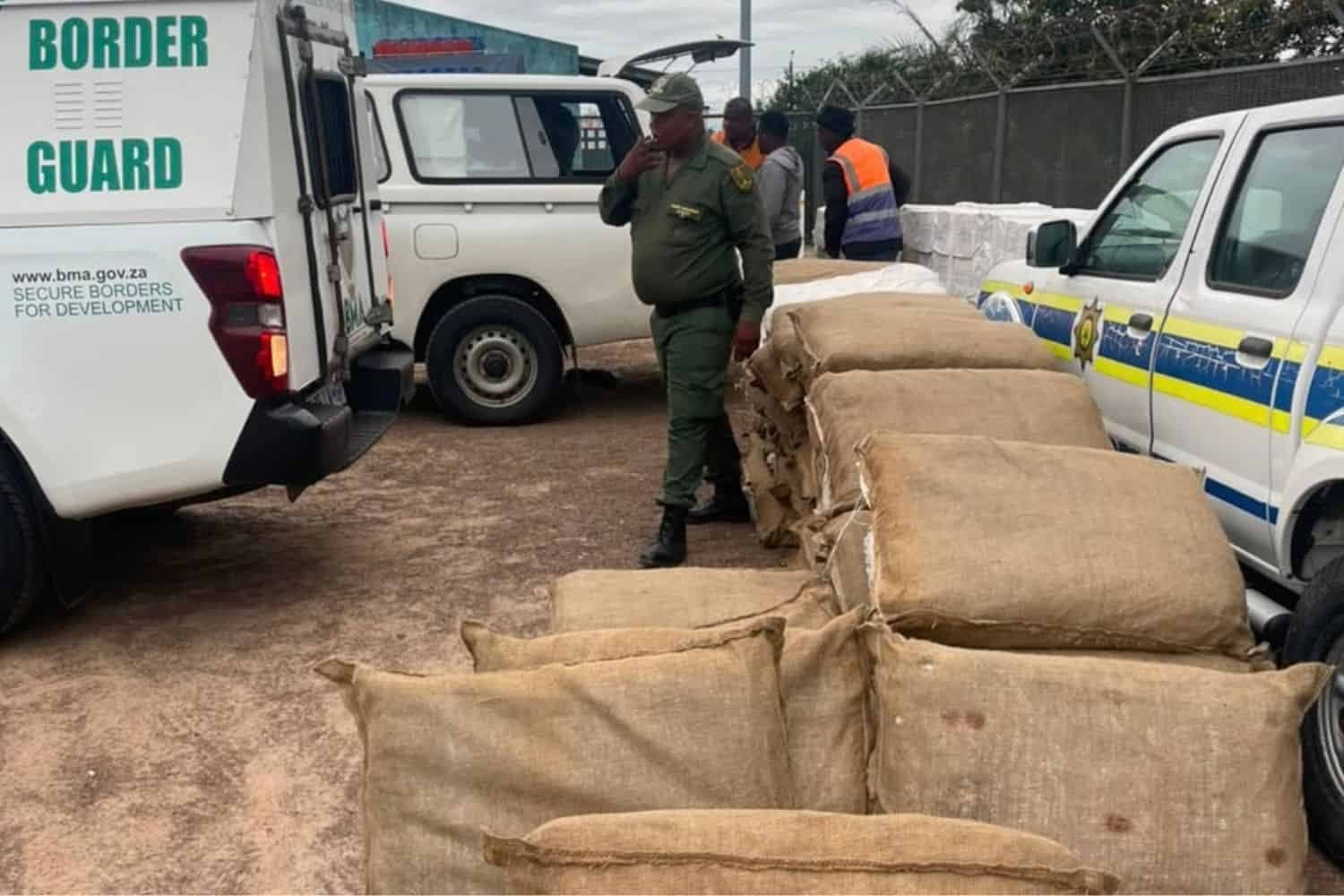
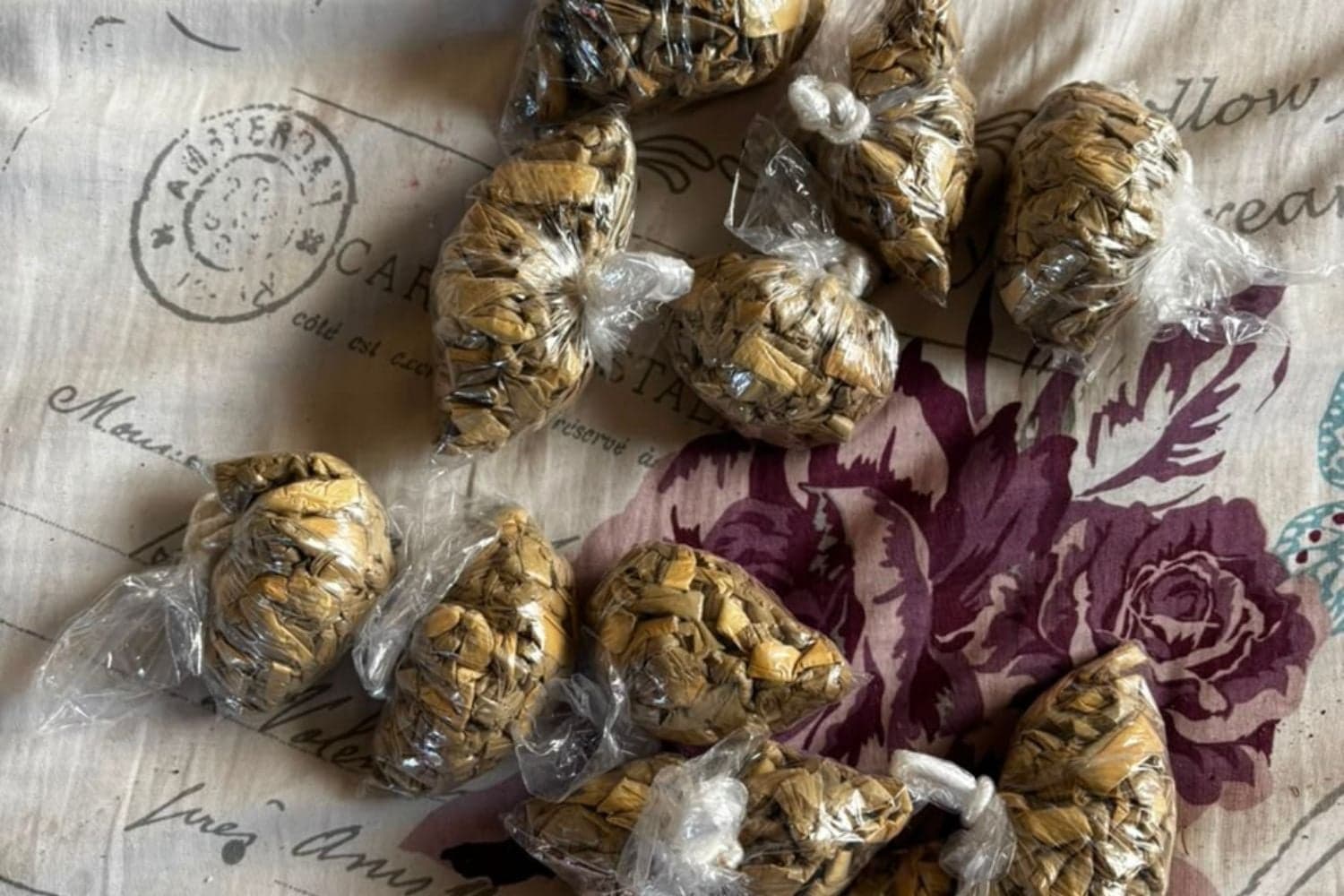
The South African Border Management Authority (BMA) has intercepted a massive haul of illicit goods, including dagga, tobacco, and heroin, valued at millions of Rands during a targeted one-week crackdown. The operation highlights the ongoing battle against cross-border smuggling and the critical role of the BMA in securing South Africa's ports of entry. While the exact locations of the busts have not been fully detailed in the initial reports, the multi-million Rand seizure represents a significant blow to illicit trade networks operating across the country's borders.
Established to streamline and centralise border control functions in South Africa, the BMA has been under intense pressure to curb the flow of illegal goods, undocumented migrants, and contraband. Historically, South Africa's borders have been porous, leading to the establishment of the BMA as a single authority to manage immigration, custom controls, and agricultural inspections. This recent week-long breakthrough underscores the agency's mandate to intercept illegal substances before they enter local communities, demonstrating a heightened state of vigilance at the nation's border control points.
Among the contraband seized, heroin represents one of the most dangerous substances intercepted. The trafficking of heroin through South African borders is a persistent challenge for law enforcement agencies. As a highly addictive substance, heroin not only fuels local substance abuse crises but also positions South Africa as both a destination and a transit hub for international drug syndicates. By stopping millions of Rands worth of heroin at the border, the BMA's intervention prevents these narcotics from reaching urban centres, where they contribute to rising crime rates and severe public health challenges.
The seizure of dagga (cannabis) during the same week-long operation points to the ongoing complexities surrounding the plant in South Africa. While the Constitutional Court has decriminalised the private cultivation and consumption of cannabis for personal use, commercial cross-border trafficking without the requisite legal permits remains strictly illegal. Smugglers continue to exploit border points to transport large quantities of illicitly grown dagga, bypassing regulatory frameworks and agricultural checks. The BMA’s action confirms that despite domestic legal shifts, large-scale unauthorized importation and exportation of cannabis remain high-priority targets for border security.
In addition to narcotics, the interception of illicit tobacco products is a critical victory for South Africa’s economy. The trade of illicit cigarettes and tobacco products has long plagued the country, costing the national fiscus billions of Rands in unpaid excise duties and taxes every year. These illicit products are often smuggled from neighbouring countries and sold at a fraction of the price of legal, taxed alternatives. By seizing millions of Rands worth of tobacco in a single week, the BMA is directly addressing the economic sabotage caused by tax-evading smuggling syndicates.
Despite the significance of the announcement, several key details regarding the week-long operation remain undisclosed. The official reports have not yet specified the exact border posts where these seizures took place, nor have they released the precise weight or volume of the confiscated dagga, tobacco, and heroin. Furthermore, it remains unclear how many suspects have been arrested in connection with these shipments, and whether these seizures are linked to a single transnational syndicate or represent isolated smuggling attempts. Law enforcement agencies have yet to provide details on the court appearances of any detained individuals.
Moving forward, the public and security analysts will be watching closely for further updates from the BMA leadership and the Ministry of Home Affairs. A detailed breakdown of the operations is expected to shed light on which border regions—such as those bordering Zimbabwe, Mozambique, Lesotho, or Botswana—are currently experiencing the highest volumes of illicit trafficking. Additionally, the successful prosecution of those involved will be a crucial test of South Africa's criminal justice system, demonstrating whether border seizures can be translated into effective legal consequences for smuggling syndicates.