Asset Forfeiture Trends in South Africa: What the Spike in Public Interest Means
Searches for 'asset forfeiture' are trending in South Africa, with more than 200 searches recorded in a short window. The surge in public interest signals growing awareness of — or concern about — the legal mechanisms that allow the state to seize property linked to crime. Here is what is known and why it matters.

Asset forfeiture is trending in South Africa. Data captured on 24 October 2026 shows that the search term attracted more than 200 queries within a measured period, placing it among the viral news topics of the day in the country. While the precise trigger for this spike remains unclear from the available data, the level of public interest is notable enough to warrant closer examination of what asset forfeiture is, how it works in South Africa, and why ordinary citizens are paying attention.
Asset forfeiture, at its core, is a legal process by which the state can seize property — money, vehicles, real estate, or other assets — that is suspected to be the proceeds of crime or an instrument used in committing a crime. In South Africa, this power is primarily vested in the Asset Forfeiture Unit (AFU), which operates under the National Prosecuting Authority (NPA). The AFU was established under the Prevention of Organised Crime Act (POCA) of 1998, a piece of legislation specifically designed to cut off the financial lifelines of criminal enterprises.
What makes South Africa's asset forfeiture framework particularly significant is that it allows for civil forfeiture, meaning the state can apply to seize assets without necessarily securing a criminal conviction first. This is sometimes referred to as the "follow the money" approach, and it has been used in high-profile cases involving corruption, drug trafficking, and organised crime. Proponents argue this approach is essential in cases where criminal prosecution is slow or difficult to achieve; critics contend it raises serious questions about due process and the rights of individuals who may not yet have been found guilty of any offence.
The trending search volume suggests South Africans are actively seeking information about this topic, though the specific context driving that curiosity — whether a recent court ruling, a prominent forfeiture application, a political development, or media coverage — is not specified in the available trend data. Two articles were indexed as part of this trend signal, but their content has not been made available for citation here. What can be said with confidence is that asset forfeiture regularly surfaces in public discourse whenever high-profile corruption cases advance through the courts or when the NPA announces significant seizures.
For South African readers, the relevance of asset forfeiture extends well beyond legal academia or courtroom procedure. The country has spent years grappling with the aftermath of state capture, a period of widespread corruption that hollowed out public institutions and diverted billions of rands intended for service delivery. Asset forfeiture is one of the key tools that prosecutors and investigators have at their disposal to recover ill-gotten gains and signal that crime does not pay. Any significant movement in this space — a major application, a court ruling, a reversal on appeal — tends to generate public interest quickly.
It is also worth noting that asset forfeiture proceedings can affect private citizens and businesses, not only politically connected individuals. A business premises used as a front for illegal activity, a vehicle used in a robbery, or a bank account into which stolen funds were deposited can all be subject to forfeiture applications. This broad reach is part of what makes the topic resonate across different segments of the South African public.
The Asset Forfeiture Unit has, over the years, reported significant recoveries, though the effectiveness of the unit has varied alongside broader shifts in the NPA's institutional capacity and political independence. Efforts to strengthen the NPA in the post-state-capture era have included increased focus on recovering assets, and any news related to those efforts is likely to generate exactly the kind of search interest reflected in this trend data.
What readers should watch for in the coming days is whether a specific court case, legislative development, or NPA announcement emerges to explain the current surge in searches. Monitoring official NPA communications, court notices, and credible news outlets will provide the clearest picture. For now, the trend data confirms one thing unambiguously: South Africans are paying attention to asset forfeiture, and the reasons behind that attention are worth understanding.
Reporting record
How this story was produced
This article was AI-generated from the frozen trend evidence and passed deterministic quality and safety gates. No cross-provider evidence review or independent human verification is claimed for this record.
- Byline
- Newstrends AI Newsroom
- First published
- Last material update
- No later material update recorded
- Distinct source identifiers
- 1 retained source identifier
Frozen source links for this publication
No public source URL is present in this frozen publication record. This is not evidence that the story was independently verified; use the correction channel below if a claim needs review.
Chronology
Story timeline
A generated chronology for orientation; dates and details may require source verification.
Update
South Africa enacts the Prevention of Organised Crime Act (POCA), establishing the legal framework for asset forfeiture.
Update
The Asset Forfeiture Unit is established under the National Prosecuting Authority to implement POCA.
Update
Search trend data records more than 200 queries for 'asset forfeiture' in South Africa, flagging the topic as viral news.
Reader file
Frequently asked questions
01What is asset forfeiture in South Africa?
Asset forfeiture is a legal process allowing the state to seize property linked to crime, administered primarily by the Asset Forfeiture Unit under the National Prosecuting Authority and governed by the Prevention of Organised Crime Act of 1998.
02Why is asset forfeiture trending in South Africa right now?
Search data captured on 24 October 2026 shows more than 200 queries for the term in South Africa, but the specific event or story driving the interest has not been confirmed in the available trend data.
03Can assets be seized without a criminal conviction in South Africa?
Yes. South Africa allows civil forfeiture under POCA, meaning the state can apply to seize assets suspected to be proceeds of crime without first obtaining a criminal conviction.
04Who is affected by asset forfeiture?
Asset forfeiture can affect individuals, businesses, and organisations whose property is suspected to be linked to criminal activity, not only politically connected persons.
Keep reading
Related coverage
More published reporting connected to this story.

NPA Reviews IDAC Cases and Orders Lifestyle Audits as Masemola is Cleared
The National Prosecuting Authority has initiated a major review of IDAC cases and ordered lifestyle audits, coinciding with the clearance of Masemola. The developments represent a significant shift in South Africa's institutional anti-corruption efforts.
Three Senior IDAC Officials Suspended in South Africa Following Andrea Johnson's Resignation
Following the resignation of Andrea Johnson, three senior officials at the Investigating Directorate Against Corruption (IDAC) have been suspended. The sudden leadership shake-up has raised questions about the internal stability of the key anti-graft unit.
Andrew Chauke Cleared Following Fitness for Office Challenge by Batohi
Senior prosecutorial figure Andrew Chauke has been cleared after a high-profile challenge to his fitness for office. The challenge, initiated by National Director of Public Prosecutions Shamila Batohi, represents a major development within South Africa's legal landscape.
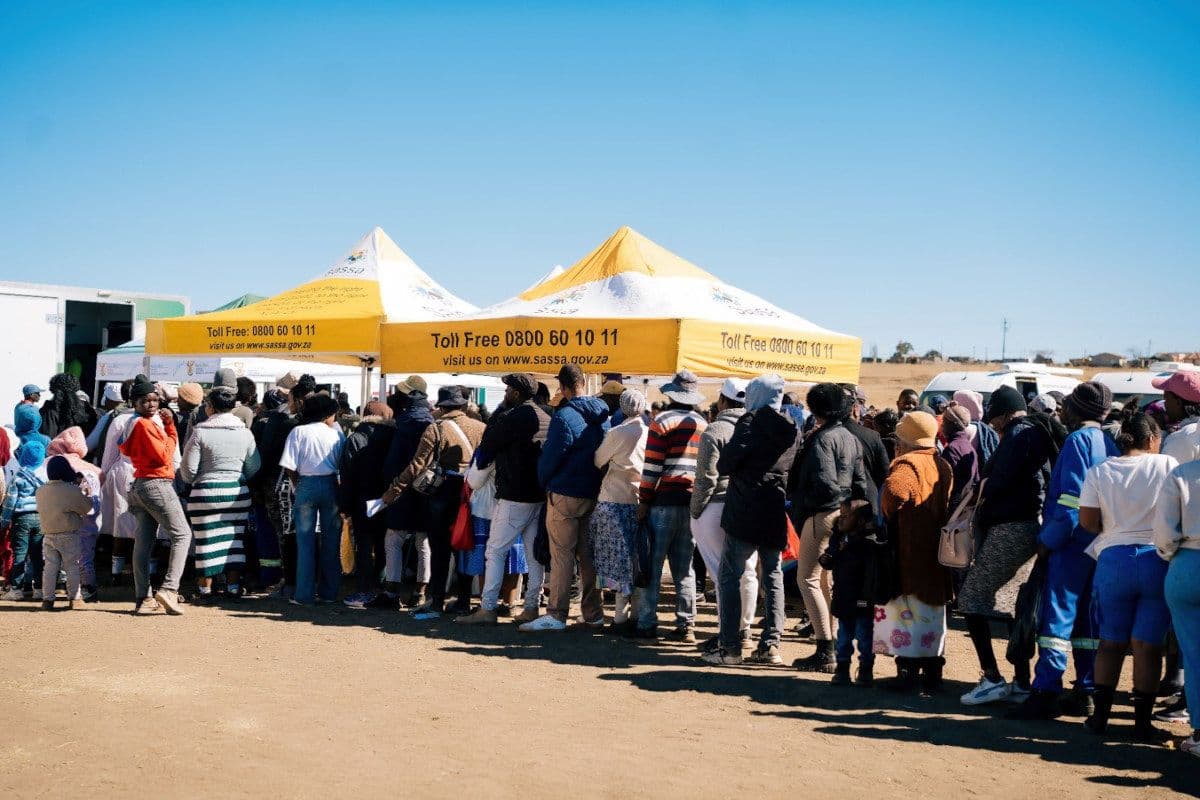
SASSA Sacks Four Officials Amid R33 Million Social Grants Fraud Probe
The South African Social Security Agency (SASSA) has dismissed four officials following their alleged involvement in a R33 million social grants fraud scheme. The dismissals come as the agency continues its efforts to combat corruption and protect vital social welfare funds. This move underscores SASSA's commitment to accountability within its ranks.
New SIU Leadership Reportedly Plans Systematic Crackdown on High-Profile Political Figures
Reports outline a targeted, methodical strategy by the Special Investigating Unit's new leadership to pursue corrupt political heavyweights and powerful officials individually. While specific targets remain undisclosed, this systematic approach signals a potential shift in South Africa's anti-corruption efforts.