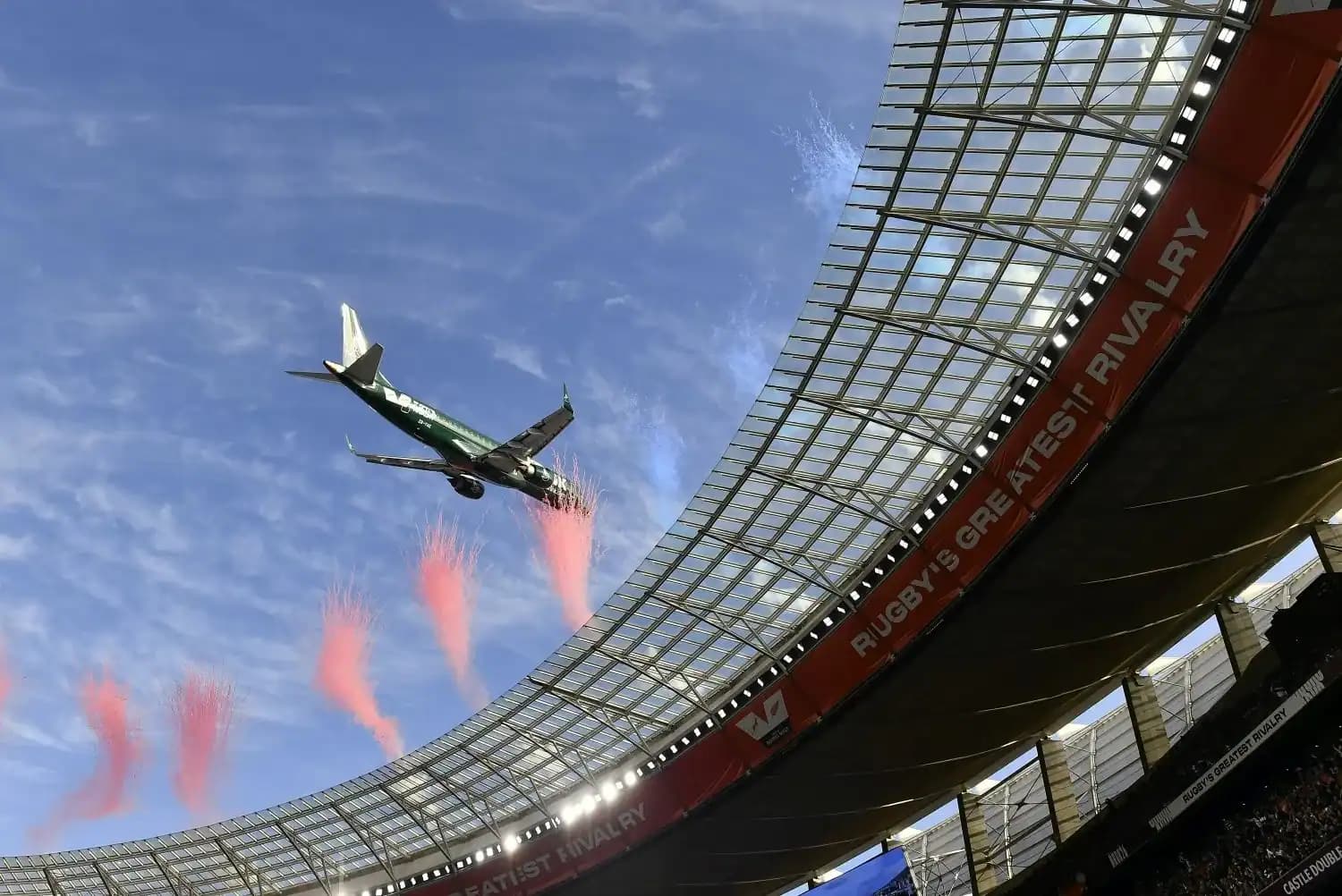
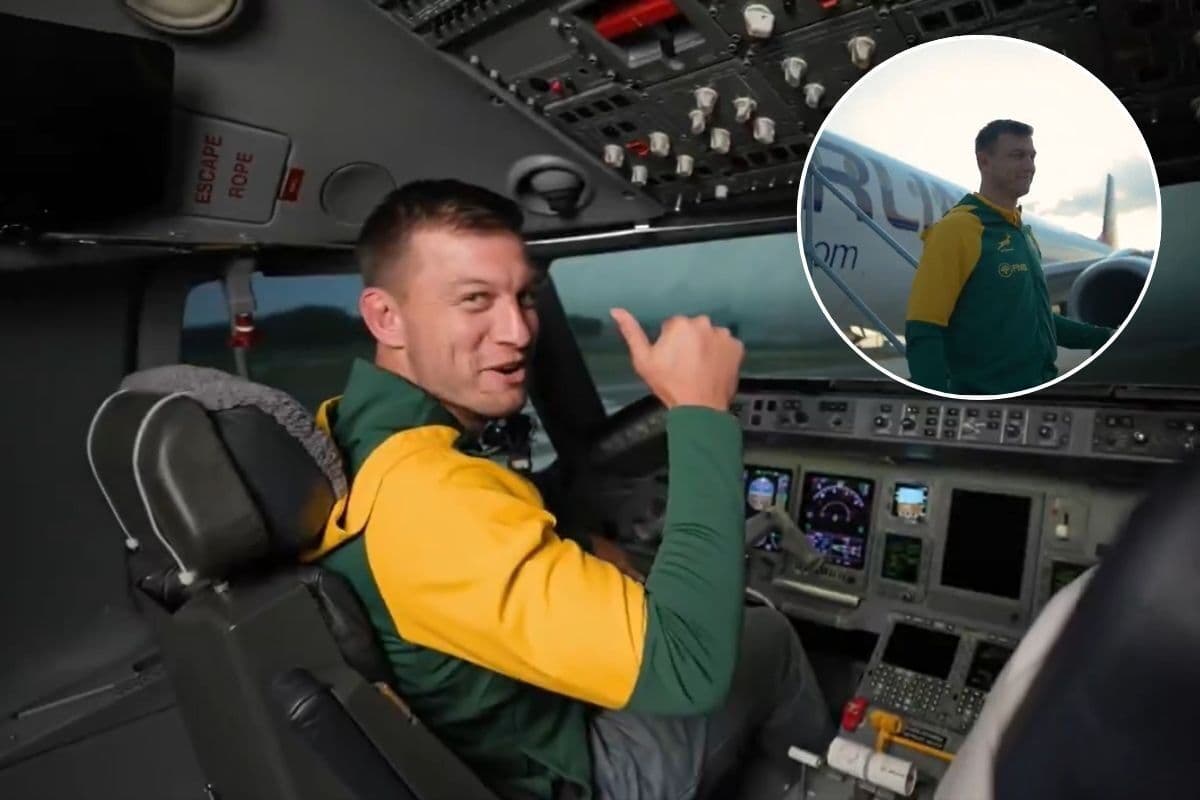
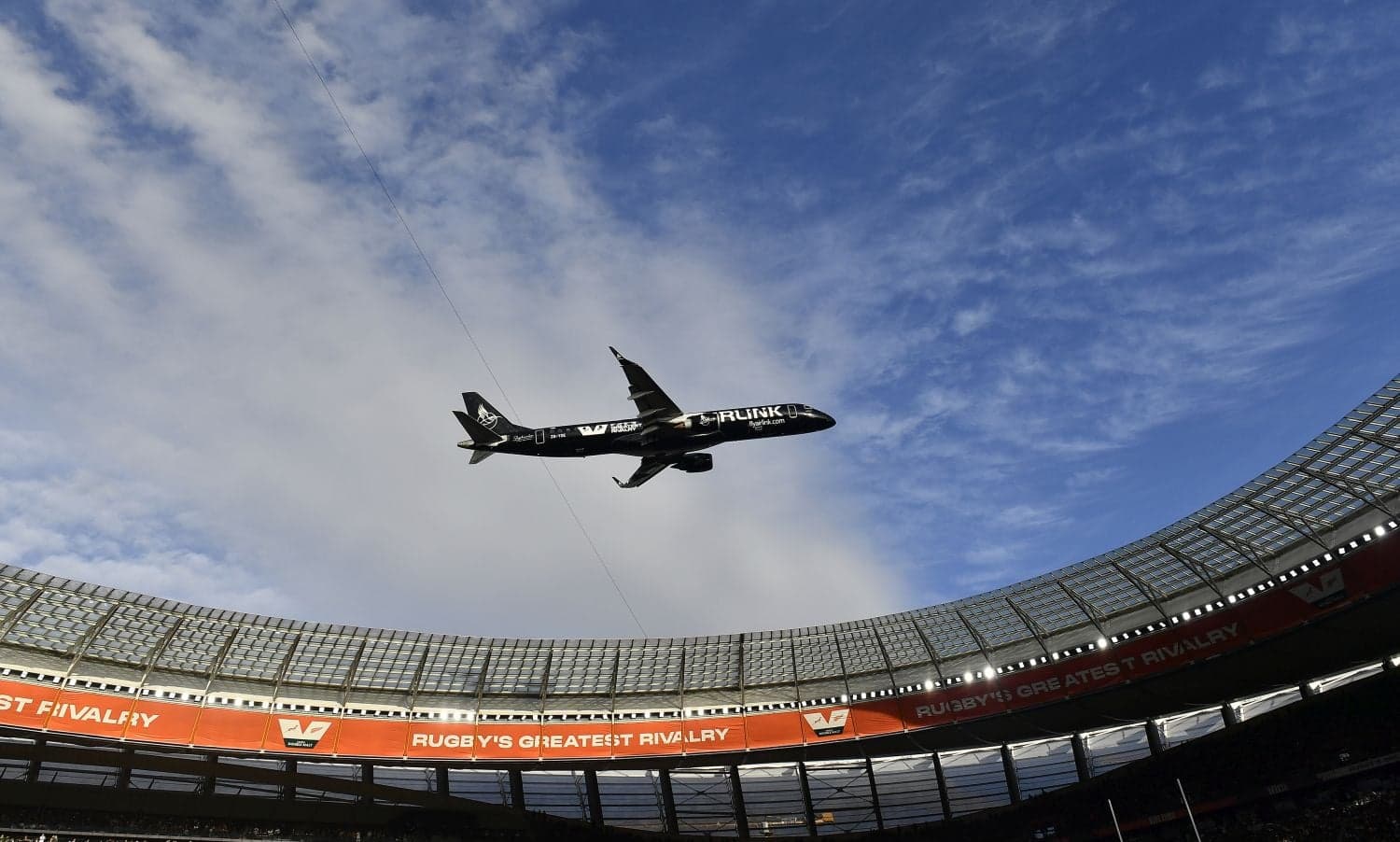
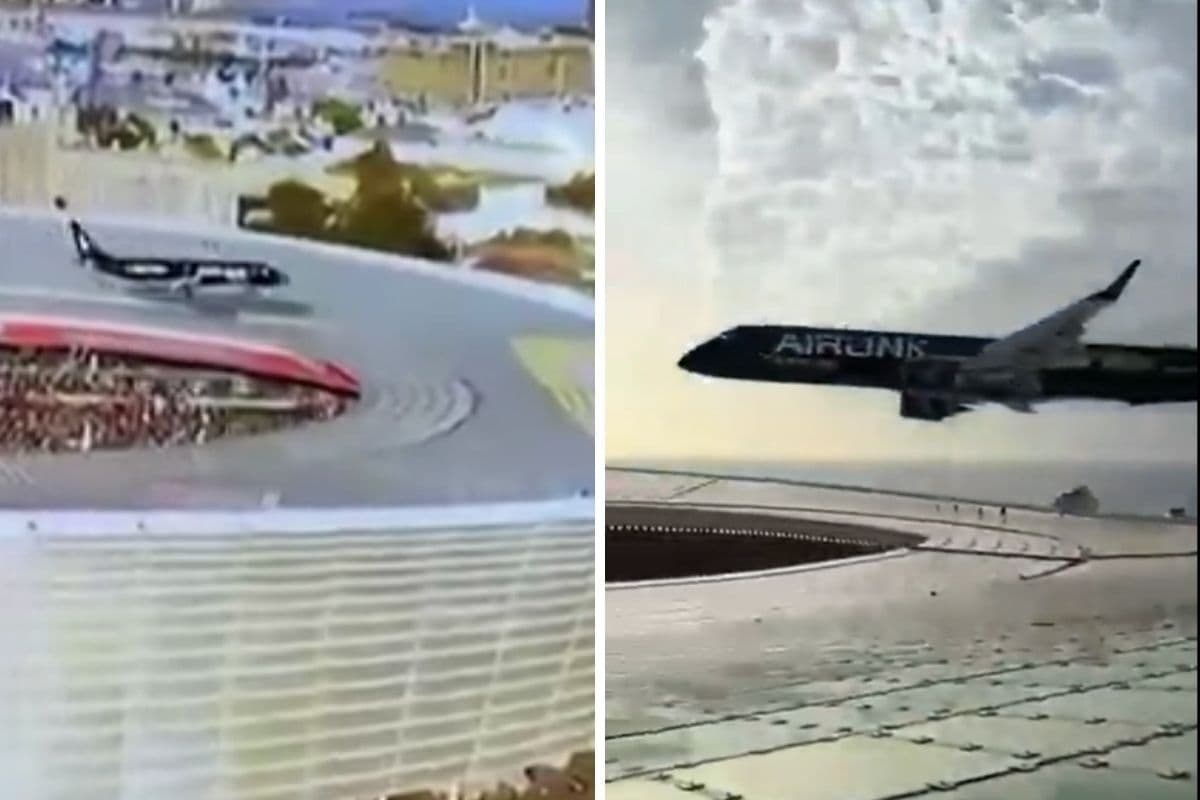
A viral debate has taken flight in South Africa following reports and commentary surrounding a stadium flyover involving local airline Airlink. The discussion, which gained significant traction in early September 2026, has prompted calls for a more measured and factual approach to the topic. As public interest mounts, commentators are urging citizens and observers to 'get grounded' and look at the hard facts before drawing conclusions or spreading unverified claims across social media platforms.
The controversy highlights the delicate balance between public spectacle and operational safety in South African aviation. Stadium flyovers have long been a staple of major sporting events in the country, often serving as a dramatic prelude to high-stakes rugby matches or national celebrations. However, the latest debate concerning Airlink has raised critical questions about the necessity, safety, and environmental impact of sending large commercial aircraft over crowded public venues.
According to a prominent commentary published by South African news outlet The Citizen on 8 September 2026, there is a pressing need to separate emotion from technical reality. The publication highlighted that while the visual of a low-flying aircraft is undeniably thrilling, the operational logistics behind such maneuvers are highly complex. The piece cautioned against 'taking flyers'—a colloquial term for making speculative leaps—without a proper understanding of aviation protocols and the specific circumstances of the event in question.
In South Africa, aviation safety is governed by strict frameworks, with the South African Civil Aviation Authority (SACAA) overseeing all flight operations, particularly those involving low-altitude displays over populated areas. For any stadium flyover to occur, operators must secure extensive permissions, perform rigorous risk assessments, and coordinate closely with air traffic control and local stadium management. The ongoing public debate underscores how sensitive these operations are, especially when commercial brands are involved.
Currently, several key details of the Airlink flyover debate remain unconfirmed in the public domain. It is still unclear which specific stadium was the focus of the event, the exact date of the flight, or the specific aircraft type utilized. Furthermore, official statements from Airlink's management or the SACAA regarding any potential investigations or regulatory clearances have not been widely detailed. This lack of concrete information has contributed to the speculative nature of the online discourse, making the call for factual grounding highly relevant.
Opponents of low-level flyovers often raise concerns regarding environmental sustainability and safety margins. In an era where carbon footprints and climate change are at the forefront of global corporate responsibility, some critics argue that burning aviation fuel for purely ceremonial purposes is difficult to justify. On the other hand, proponents view these flyovers as vital marketing opportunities and powerful displays of national unity that boost the morale of spectators and players alike.
The debate also touches on the psychological impact of low-flying aircraft on local communities and wildlife near urban stadiums. While sports fans inside the arena may cheer, residents in surrounding suburbs often report noise disturbances and anxiety. This clash of perspectives ensures that any planned flyover will inevitably face intense scrutiny from multiple sectors of South African society, transcending the boundaries of sport and aviation.
As the conversation continues to develop, South Africans are advised to watch for official updates from the relevant authorities. Clarification from Airlink regarding their operational protocols, alongside any formal statements from the civil aviation regulator, will be crucial in resolving the debate. Until these verified details emerge, the advice to remain grounded and avoid speculative leaps remains the most sensible path forward for observers of this viral South African news story.