Affordable Haven: Viral Report Highlights South African Retirement Town with R650 000 Homes and Low Crime
A viral report has spotlighted a remarkably safe and affordable South African town ideal for retirees. With property prices starting at R650 000 and only 46 crimes recorded annually, the destination is drawing significant interest from prospective home buyers.
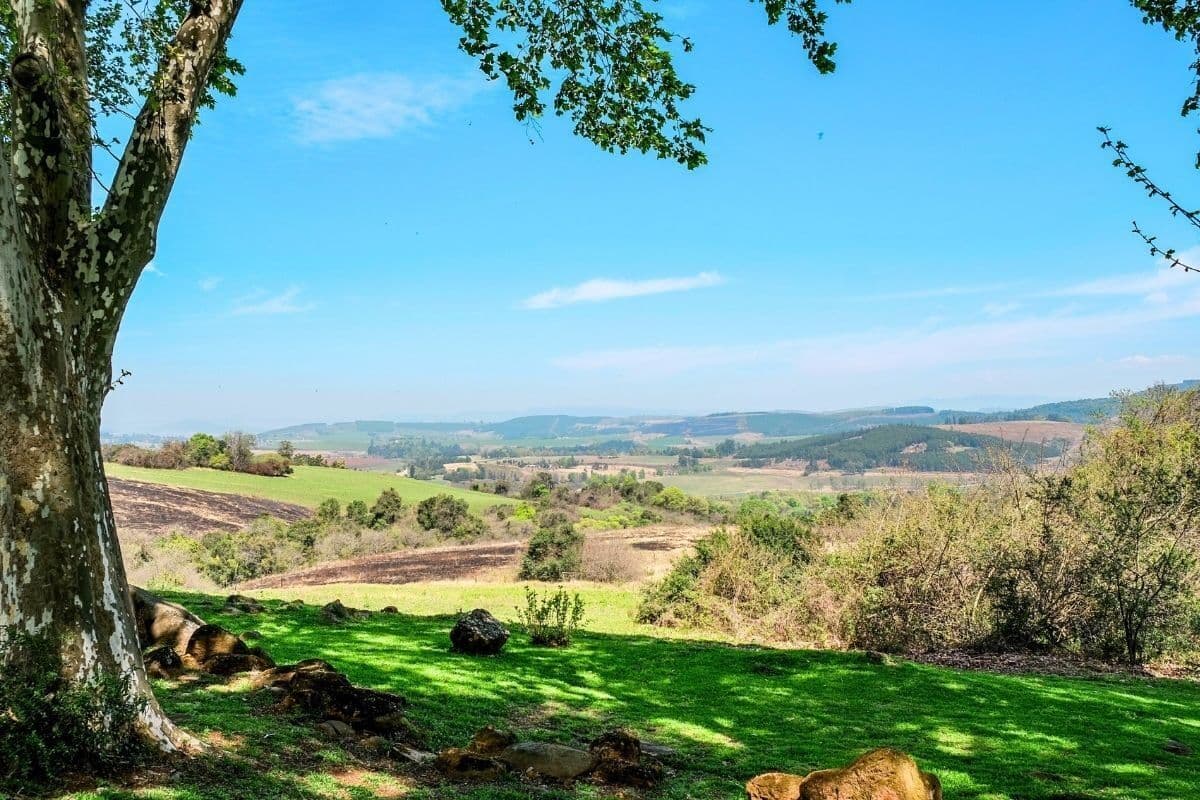
A newly published report has sparked widespread interest among South African property seekers and retirees looking for an affordable, safe haven. Released on 31 August 2026 by local news outlet The South African, the report highlights an unnamed small town that boasts an exceptionally low crime rate of just 46 recorded incidents per year, alongside highly accessible property prices starting at R650 000. For a general public increasingly concerned with safety and the rising cost of living, these figures present an incredibly appealing prospect for peaceful retirement living.
The viral reception of this report underscores a major ongoing trend across South Africa: the movement of citizens away from bustling, high-stress metropolitan areas to quieter rural or coastal regions. Often referred to as "semigration," this phenomenon is particularly strong among retirees and older professionals who no longer need to commute to city centres for work. For these individuals, the primary drivers of relocation are safety, tranquility, and financial sustainability, all of which are directly addressed by the town featured in the latest property reports.
From a financial perspective, an entry-level home price of R650 000 is remarkably competitive in the contemporary South African real estate market. In major metropolitan hubs such as Cape Town, Johannesburg, or Durban, finding secure, comfortable, and independent housing at this price point has become nearly impossible due to urban inflation and high demand. A property market that offers homes within this bracket allows pensioners to stretch their retirement savings much further, reducing financial anxiety during their golden years.
Equally significant is the town’s reported safety profile. Experiencing only 46 crimes over an entire year represents a level of security that is extremely rare in modern South Africa. Security is consistently ranked as a top priority for local home buyers, especially vulnerable older citizens. A low crime rate of this magnitude suggests not only a peaceful environment but also a highly functional, close-knit community where residents look out for one another and local security initiatives are highly effective.
While the initial report has generated immense curiosity and excitement online, several key details remain undisclosed in the primary trend data. Crucially, the specific name and geographical location of this retirement-friendly town have not been detailed in the immediate news feed. Whether this peaceful enclave is situated in the coastal stretches of the Western or Eastern Cape, the quiet expanses of the Karoo, or the scenic valleys of the Free State remains a point of speculation for eager readers seeking to investigate further.
The potential influx of new residents attracted by such reports carries both opportunities and challenges for small South African municipalities. On one hand, an increase in property buyers can stimulate local economies, support small businesses, and boost municipal rates revenue. On the other hand, a growing population of elderly residents places unique demands on local infrastructure, particularly healthcare services. Prospective relocators will need to consider whether the town possesses adequate medical facilities and doctors to support an aging demographic.
As the story continues to gain traction, South Africans are advised to keep a close watch on further property market updates and detailed investigative reports. Verifying the state of local municipal governance, water security, and infrastructure will be essential steps for anyone seriously considering a move. For now, the promise of a peaceful life with minimal crime and affordable housing remains a powerful drawcard for the country's retirement community.
Reporting record
How this story was produced
This article was AI-generated from the frozen trend evidence and passed deterministic quality and safety gates. No cross-provider evidence review or independent human verification is claimed for this record.
- Byline
- Newstrends AI Newsroom
- First published
- Last material update
- No later material update recorded
- Distinct source identifiers
- 1 retained source identifier
Frozen source links for this publication
Chronology
Story timeline
A generated chronology for orientation; dates and details may require source verification.
Update
The South African publishes a viral report highlighting a safe, budget-friendly town with 46 annual crimes and R650 000 homes.
Reader file
Frequently asked questions
01Where is this low-crime retirement town located?
The initial trend data and report do not disclose the specific name or geographical location of the town, leaving its exact province unclear.
02How much do homes cost in this town?
According to the viral report, property prices in this retirement-friendly town start at a highly affordable R650 000.
03How safe is this small town?
The town is reported to have an exceptionally low crime rate, with only 46 recorded crimes per year.
Keep reading
Related coverage
More published reporting connected to this story.

New Report Names Another South African Town as the Best Place to Live
A new lifestyle report published by BusinessTech has revealed another South African town voted as the best place to live. The announcement has quickly gone viral, sparking widespread interest among residents and prospective property buyers. While specific details about the winning town remain unconfirmed in initial reports, the trend highlights the country's ongoing interest in local governance and semigration.
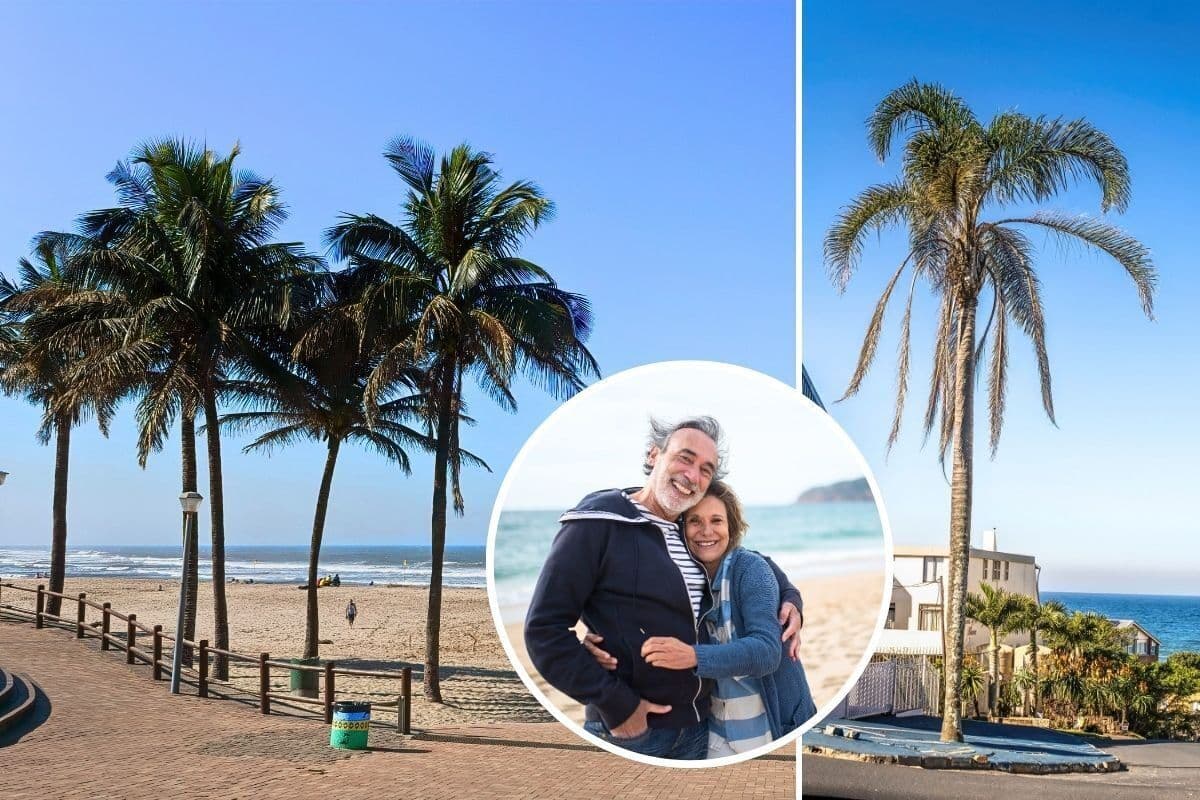
Coastal Town Property Prices Surge 30% as Retirees Snap Up Half of All Homes
A coastal South African town has recorded a dramatic 30% increase in property prices, driven by a massive influx of retirees. According to recent reports, retirement-age buyers are now purchasing half of all homes in the area, reshaping the local real estate market.

Viral Property Trend: Small South African Town Offers 3 Acres of Land for R195 000
A viral property report has captured the attention of South Africans by highlighting a small town offering three acres of land for just R195,000. With monthly municipal rates reportedly sitting at R500, the deal has sparked intense interest amid the country's ongoing semigration trend.

Affordable Coastal Retirement: Oceanfront Properties Selling for R600 000 in South Africa
A new property report highlights budget-friendly coastal towns in South Africa offering oceanfront homes for R600,000. This trend offers a timely opportunity for retirees seeking affordable coastal living amid economic pressures.
Pensioners raise alarm over the skyrocketing costs of South African old-age homes
A South African pensioner has sparked a national conversation after speaking out about the unaffordable cost of residential care. The plea highlights the growing gap between state pension support and the actual cost of elder care.