Pensioners raise alarm over the skyrocketing costs of South African old-age homes
A South African pensioner has sparked a national conversation after speaking out about the unaffordable cost of residential care. The plea highlights the growing gap between state pension support and the actual cost of elder care.
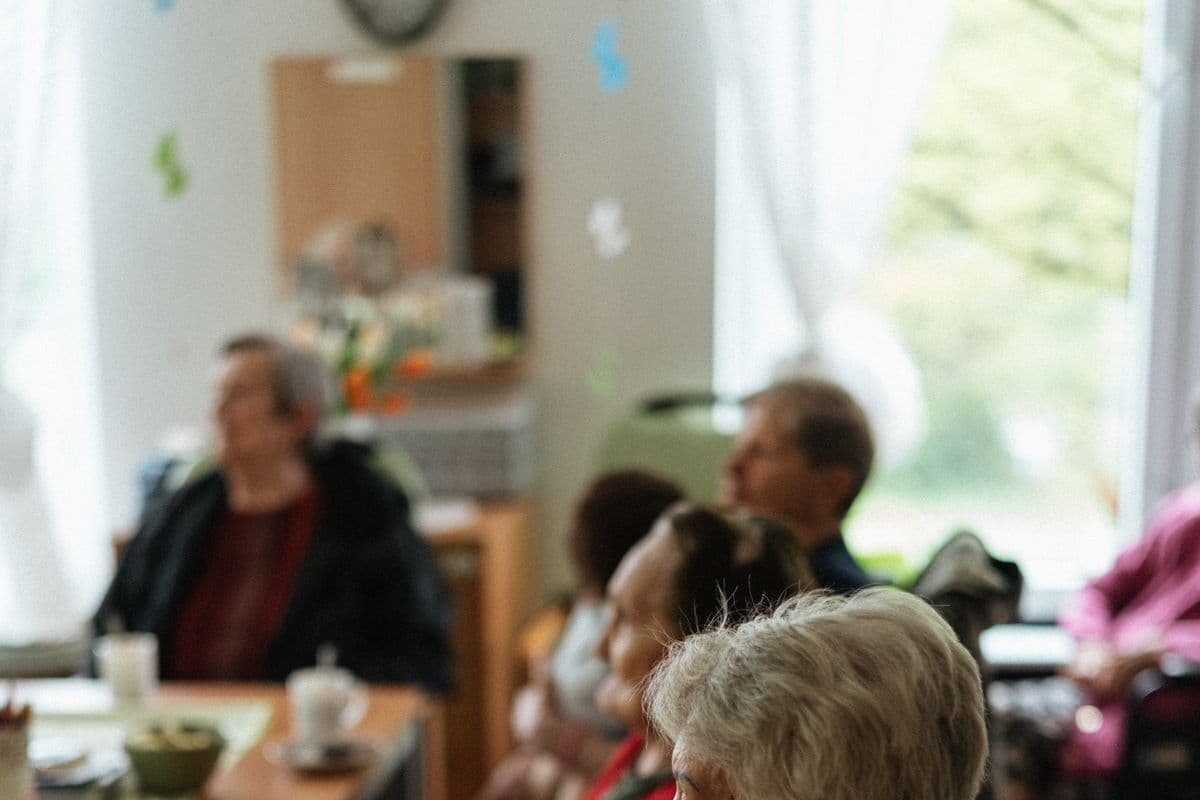
On 18 August 2026, reports emerged highlighting the plight of South African retirees, sparked by a pensioner who publicly spoke out against the exorbitant costs of old-age homes. The issue, which quickly gained traction online, has brought the financial struggles of the elderly back into the national spotlight. For many senior citizens in South Africa, securing safe, comfortable, and affordable long-term residential care has become an unattainable luxury rather than a basic right.
According to reports published by local media outlet The South African, the outcry stems from a pensioner's direct experience with the high fees charged by residential care facilities. While the specific identity of the pensioner and the exact locations of the homes in question have not been detailed in the initial reports, the core of their message is clear: the vast majority of old-age homes are simply too expensive for the average retired South African. This gap in detailed personal data highlights a broader, systemic issue where individual struggles often go undocumented until they reach a crisis point.
The discussion surrounding this issue is closely tied to the South African Social Security Agency (SASSA) and its older persons grant. For millions of retirees, the state pension is their primary or sole source of income. However, the gap between the monthly SASSA payout and the fees demanded by private—and even some subsidised—care facilities is vast. While state-subsidised homes do exist, they are notoriously difficult to access, often plagued by long waiting lists and limited capacity, leaving vulnerable seniors with few viable options.
The financial reality of elder care in South Africa is stark. Private old-age homes often require substantial monthly fees that cover accommodation, meals, security, and medical supervision. For a pensioner relying on state support or a modest private pension, these costs are prohibitive. Even middle-income families frequently struggle to bridge the financial gap required to place their elderly relatives in decent facilities, leading to increased pressure on households to provide home-based care without professional support.
The viral nature of the pensioner's statement reflects a deep-seated public anxiety regarding retirement security in South Africa. Commentators and citizens online have echoed these sentiments, noting that the current economic climate—marked by high inflation and rising living costs—further diminishes the purchasing power of pensioners. The situation raises serious questions about the long-term sustainability of the country's social welfare safety net for an ageing population.
While the pensioner's public statement has successfully drawn attention to the crisis, several key details remain unconfirmed. It is currently unclear what specific policy interventions, if any, the Department of Social Development or SASSA might consider to address the affordability of residential care. Additionally, comprehensive data comparing the average cost of private versus state-subsidised care across different provinces remains limited in the public domain, making it difficult to assess the full scale of the crisis.
Moving forward, advocates for elder rights are expected to call for greater regulation of fees in the retirement sector and increased state funding for subsidised care homes. Observers will be watching closely to see if the government responds to these growing concerns with concrete policy reforms or adjustments to the older persons grant. For now, the voices of pensioners speaking out serve as a stark reminder of the urgent need for affordable, dignified care for South Africa’s senior citizens.
Reporting record
How this story was produced
This article was AI-generated from the frozen trend evidence and passed deterministic quality and safety gates. No cross-provider evidence review or independent human verification is claimed for this record.
- Byline
- Newstrends AI Newsroom
- First published
- Last material update
- No later material update recorded
- Distinct source identifiers
- 1 retained source identifier
Frozen source links for this publication
Chronology
Story timeline
A generated chronology for orientation; dates and details may require source verification.
Update
A South African pensioner's public complaint about the high cost of old-age homes goes viral, sparking national debate.
Reader file
Frequently asked questions
01Why are pensioners speaking out about old-age homes in South Africa?
Pensioners are raising concerns because the monthly costs of residential care facilities far exceed the average retirement income, including state pensions like the SASSA older persons grant.
02What role does the SASSA older persons grant play in this issue?
The state pension is often the only income source for many elderly South Africans, but it is insufficient to cover the high fees of private or subsidised old-age homes.
03Are there affordable state-subsidised old-age homes available?
While state-subsidised facilities exist, they are highly sought after, leading to extremely long waiting lists and limited availability for those in urgent need.
Keep reading
Related coverage
More published reporting connected to this story.

South African Pensioners Push to Reverse SASSA Payment Dates to Pre-COVID Schedule
Elderly social grant beneficiaries in South Africa are calling for a return to the payment schedules used before the COVID-19 pandemic. Pensioners argue that reversing the staggered payment system will restore financial predictability and ease logistical challenges.

‘R5000 a Month and a Food Voucher’: South African Pensioners Define the Cost of Survival
A report from The South African reveals that pensioners have set a clear baseline for survival, demanding R5,000 monthly and a food voucher. This dual-demand highlights the growing gap between current social support and the rising cost of living.

‘We Should Be Getting R10 000’: SA Pensioners Compare Local Grants to Other Countries
A viral discussion has emerged among South African pensioners comparing local state support to international retirement systems. Retirees argue that a monthly pension of R10,000 is necessary to secure a dignified living standard.
Free Private Healthcare for South African Pensioners? What We Know So Far About the Viral Reports
Viral reports have sparked widespread interest among South African pensioners seeking free private healthcare options. While details remain limited, the trend highlights the ongoing challenges elderly citizens face in accessing quality medical care.

‘Deserve to Live Stress-Free’: South African Pensioners Demand Rent Relief Beyond SASSA Grant Increases
South African pensioners are calling for structural relief regarding rental costs, arguing that simple grant increases are no longer enough to ensure a dignified retirement. The demand highlights the growing gap between fixed social grants and rising accommodation expenses. Key details on how the government might respond or which specific advocacy groups are leading the charge remain to be seen.