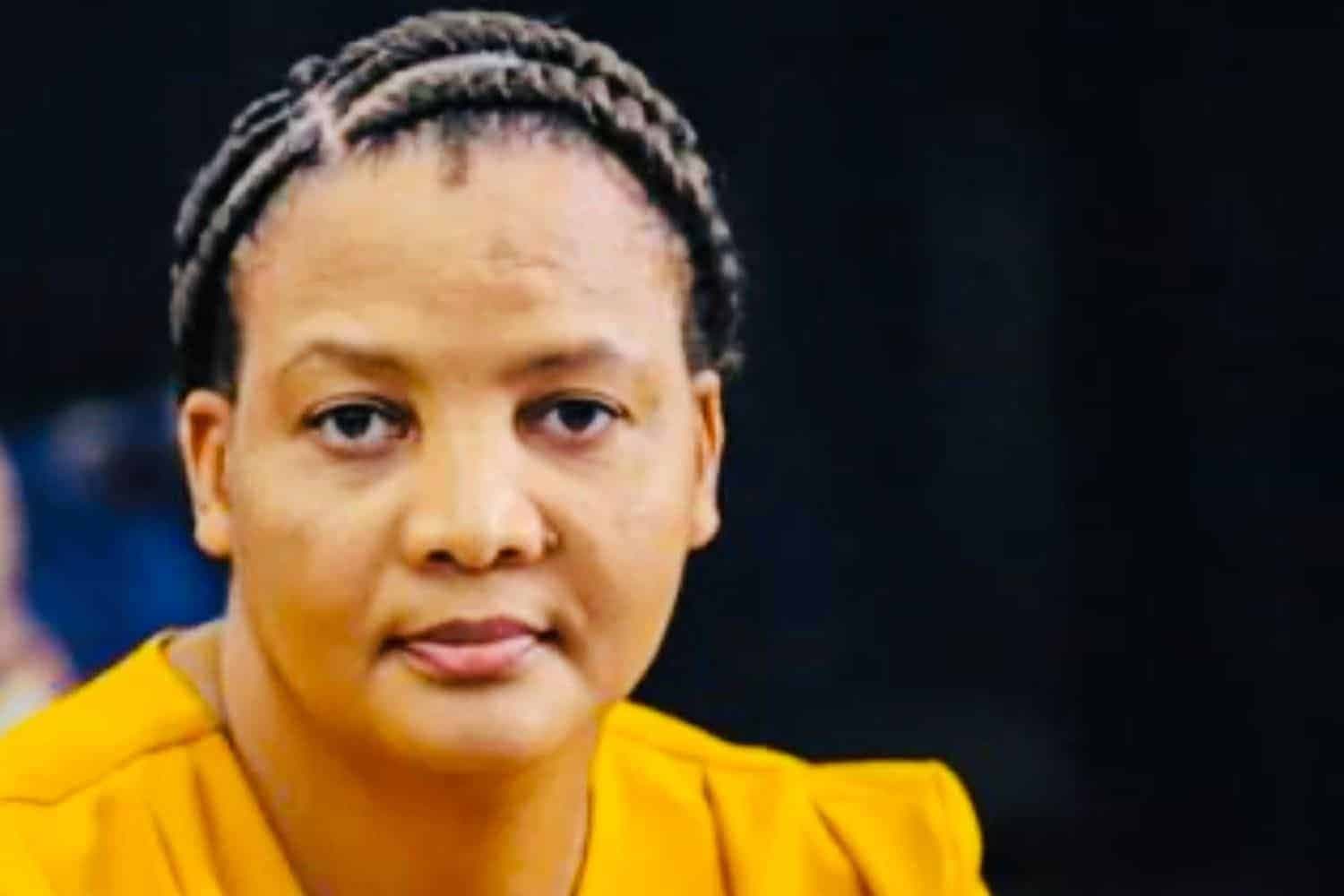
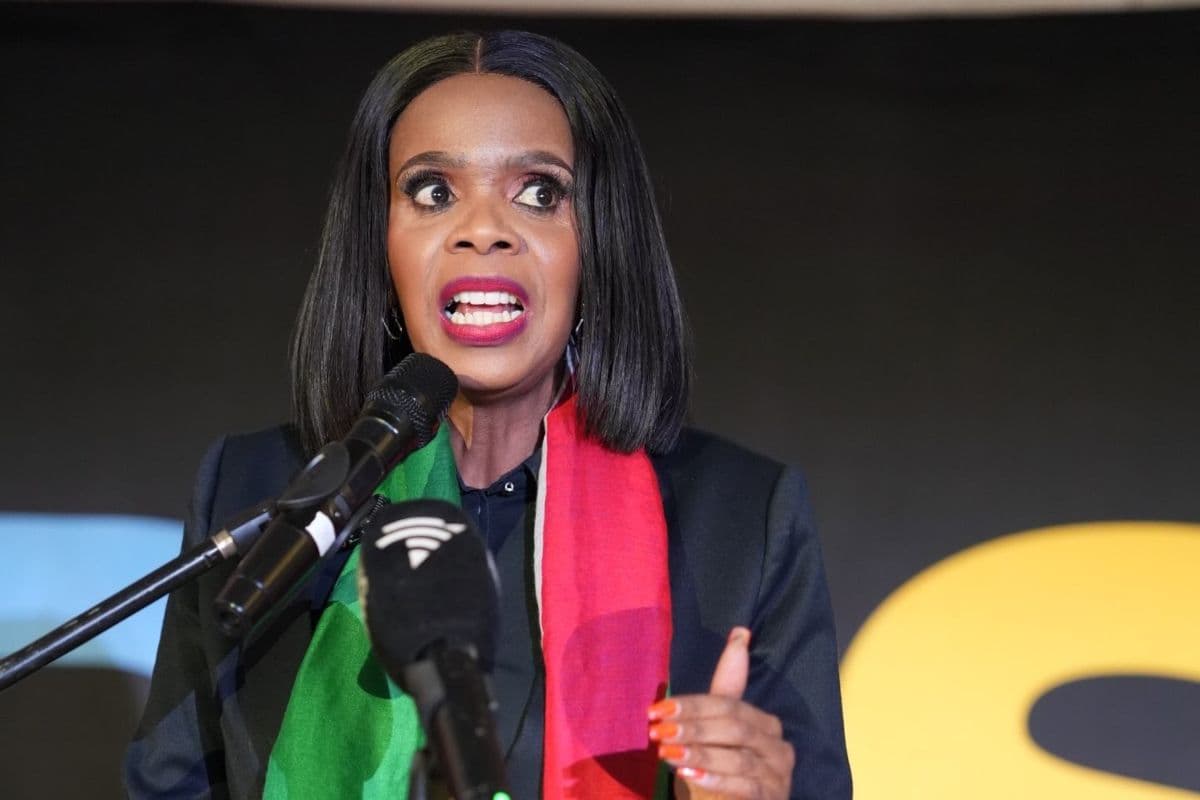
In a significant political development, political party ActionSA has suspended its Tshwane candidate, Malesela Teffo, who is also known as a disbarred advocate. The suspension, which came to light on 17 September 2026, marks a major internal move for the party as it navigates its organizational structure and public representation in the key Gauteng metropolitan area. The decision has drawn immediate attention across the South African political landscape, highlighting the ongoing scrutiny faced by public representatives.
According to the available reports, the suspension directly affects Teffo's standing as a candidate for ActionSA in Tshwane. While the immediate catalyst for the party's disciplinary action has not been fully detailed in the initial reports, his dual profile as a political candidate and a disbarred legal professional remains a focal point of public discussion. The action taken by ActionSA signals a firm stance on party discipline and candidate vetting, although the specific internal charges or allegations leading to this suspension remain unconfirmed.
Tshwane represents a critical battleground in South African local governance, where coalition dynamics and candidate integrity are highly contested. For ActionSA, maintaining a strong, unblemished slate of candidates in the metropolitan municipality is essential for retaining voter trust and securing political leverage. The suspension of a candidate in this region is therefore not merely an internal administrative matter, but a development with broader political implications for the party's regional campaign and public image.
The description of Teffo as a "disbarred advocate" refers to the legal status of an individual who has been stripped of their license to practice law in South Africa. In the South African legal framework, disbarment is a severe sanction imposed by the courts, often following a petition by the Legal Practice Council (LPC) due to professional misconduct or ethical breaches. While the exact timeline and specific reasons for Teffo's prior disbarment are not detailed in the current trend data, his professional status adds a complex layer of public interest to his political candidacy.
At this stage of the developing story, several critical details remain undisclosed. It is currently unclear whether ActionSA's decision to suspend Teffo is directly linked to his disbarred status, or if it stems from separate, more recent conduct within the party's ranks. Furthermore, the official statements from ActionSA's leadership regarding the duration of the suspension, the nature of the pending disciplinary inquiry, and Teffo's own response to the suspension have not yet been made public.
The practical implications of this suspension for ActionSA's Tshwane structures are substantial. Political parties operating in highly competitive metropolitan councils must manage candidate vacancies and disciplinary processes swiftly to avoid electoral fallout. Depending on the outcome of the internal investigation, ActionSA may need to initiate a process to formally replace Teffo on their candidate list, a procedure governed by strict internal party rules and national electoral regulations.
As this situation unfolds, political observers and Tshwane residents will be watching closely for official communications from both ActionSA and Malesela Teffo. Key developments to monitor include the formal convening of a disciplinary hearing, the publication of the specific charges faced by Teffo, and any potential legal challenges to the suspension. How ActionSA resolves this matter will serve as a test of its commitment to accountability and organizational governance ahead of future political contests.