Yellow Level 2 Storm Warning Issued for KwaZulu-Natal and Eastern Cape
South African weather authorities have issued a Yellow Level 2 storm warning covering KwaZulu-Natal and the Eastern Cape. Residents in both provinces are urged to stay informed and take precautionary measures as potentially hazardous conditions are expected. The warning was captured in the early hours of 13 October 2026.
A Yellow Level 2 storm warning has been issued for KwaZulu-Natal (KZN) and the Eastern Cape, according to weather information published on 13 October 2026. The alert, which was captured at approximately 03:50 in the morning South African time, signals that residents across both provinces should prepare for potentially dangerous weather conditions during the day.
A Yellow Level 2 warning sits in the middle tier of South Africa's weather alert system, indicating a moderate to significant threat to life and property. It is not the highest level of alert, but it is a serious caution that warrants attention from the public, emergency services, and local authorities alike. Those living in low-lying areas, near rivers, or in informal settlements are typically among the most vulnerable when such warnings are in effect.
KwaZulu-Natal and the Eastern Cape are no strangers to severe weather events, particularly during the warmer months of the South African spring and summer season. October falls within the transitional period when atmospheric conditions can become volatile, bringing with them heavy rainfall, strong winds, and the possibility of localised flooding or damage to infrastructure. Both provinces have experienced significant storm-related disasters in recent years, making warnings of this nature something communities have learned to take seriously.
The specific nature of the hazard driving this Yellow Level 2 warning — whether it is primarily heavy rainfall, strong winds, hail, or a combination of these factors — has not been detailed in the available information. What is confirmed is that the warning covers both KZN and the Eastern Cape, two of South Africa's most populous and geographically diverse provinces. Further details on exactly which districts or municipalities fall within the warning zone remain unclear based on the data at hand.
For residents in both provinces, a Yellow Level 2 warning typically means staying alert to rapidly changing conditions throughout the day. People are generally advised to avoid unnecessary travel during severe weather, particularly on roads prone to flooding or debris. Those near rivers or streams should monitor water levels and be ready to move to higher ground if conditions deteriorate. Parents and guardians should check on school transport and activity schedules, as educational institutions sometimes alter their arrangements in response to weather alerts.
Emergency services, municipal disaster management centres, and community organisations in KZN and the Eastern Cape are expected to be on heightened readiness when such warnings are in place. These bodies coordinate responses to weather-related incidents ranging from rescues in flooded areas to clearing fallen trees and restoring power after storm damage. Members of the public are encouraged to have contact details for local emergency services readily available.
It is also worth noting that the South African Weather Service (SAWS) regularly updates its warnings as conditions evolve. A Yellow Level 2 warning can be upgraded to a higher level — such as Orange or Red — if the threat intensifies, or it may be downgraded or lifted if conditions improve. Residents are therefore encouraged to check for updated advisories throughout the day rather than relying solely on the initial warning issued in the early morning hours.
The warning was reported via IOL, one of South Africa's prominent online news platforms, drawing attention to the forecast for the day. With both KZN and the Eastern Cape covering vast areas that include major cities like Durban, Pietermaritzburg, East London, and Port Elizabeth (Gqeberha), as well as extensive rural and coastal communities, the potential reach and impact of a storm event across these regions is considerable.
As the day progresses, residents in both provinces should monitor official weather channels for any updates to the current warning status. Until the all-clear is given, it is advisable to treat the Yellow Level 2 storm warning with the seriousness it warrants and take all reasonable steps to safeguard people and property from the anticipated hazardous conditions.
Reporting record
How this story was produced
This article was AI-generated from the frozen trend evidence and passed deterministic quality and safety gates. No cross-provider evidence review or independent human verification is claimed for this record.
- Byline
- Newstrends AI Newsroom
- First published
- Last material update
- No later material update recorded
- Distinct source identifiers
- 1 retained source identifier
Frozen source links for this publication
Chronology
Story timeline
A generated chronology for orientation; dates and details may require source verification.
Update
Yellow Level 2 storm warning issued for KwaZulu-Natal and the Eastern Cape, captured at approximately 03:50 SAST.
Reader file
Frequently asked questions
01What does a Yellow Level 2 storm warning mean in South Africa?
A Yellow Level 2 warning indicates a moderate to significant weather threat. It is not the highest alert level but signals that hazardous conditions are possible and that residents should take precautionary measures and stay informed.
02Which provinces are affected by the 13 October 2026 storm warning?
The Yellow Level 2 storm warning covers KwaZulu-Natal and the Eastern Cape, two of South Africa's largest and most populous provinces.
03Where can South Africans get updated weather warnings?
The South African Weather Service (SAWS) regularly updates its warnings as conditions change. Residents are advised to monitor official SAWS channels and local news platforms for the latest advisories.
04Can a Yellow Level 2 warning be upgraded?
Yes. Weather warnings can be upgraded to Orange or Red levels if conditions worsen, or downgraded and lifted if conditions improve. It is important to check for updates throughout the day.
Keep reading
Related coverage
More published reporting connected to this story.

PMB Weather Draws Public Attention as Search Interest Spikes Across South Africa
Search interest in Pietermaritzburg weather conditions surged on Google Trends in South Africa, registering more than 200 searches in a short window. The spike signals that residents and those with connections to the KwaZulu-Natal capital are actively seeking up-to-date weather information. What is driving this interest remains unclear, though the timing points to conditions that may be affecting daily life in the city.
Durban Weather Sparks Online Search Surge as South Africans Seek Conditions Update
Searches for Durban's weather conditions have spiked on Google Trends in South Africa, with more than 500 queries recorded in a short window. The surge signals heightened public interest in what is happening meteorologically along the KwaZulu-Natal coast. While specific weather event details are not confirmed in the available data, the trend points to conditions significant enough to prompt widespread public concern.
Durban Weather Surges as Top Search Trend Across South Africa
Searches for Durban's weather conditions have spiked sharply among South African internet users, registering more than 500 searches and trending nationally as of early October 2026. The surge in interest points to heightened public attention on conditions in the eThekwini region, though the precise weather event or concern driving the trend has not been confirmed. Here is what is known — and what remains unclear.
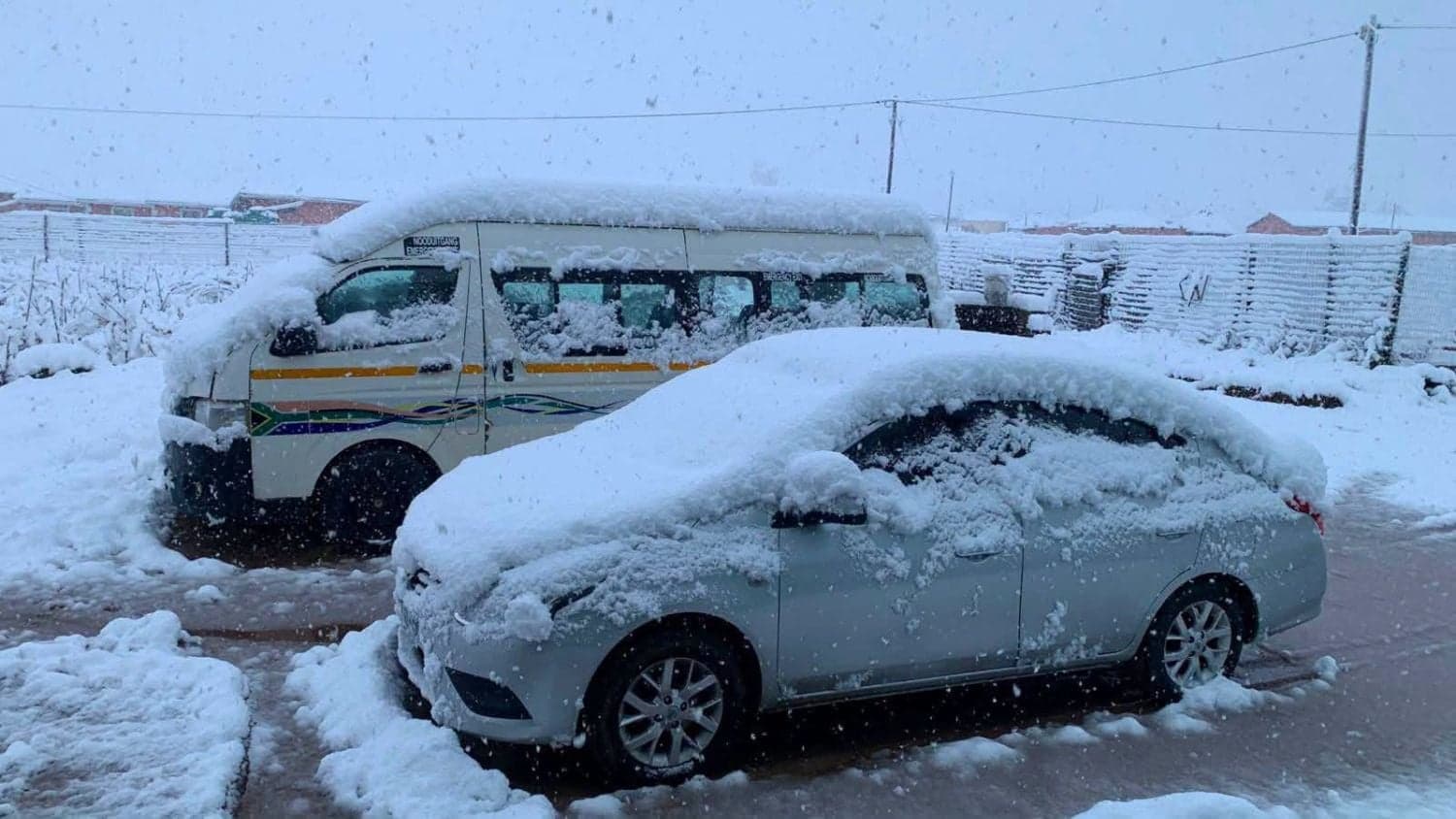
Heavy snow to continue falling across Eastern Cape on Tuesday as wintry weather grips region
Forecasters warn of continued heavy snowfall across the Eastern Cape on Tuesday, following significant winter weather activity along the Lesotho border. Residents and travellers are urged to exercise caution as high-lying areas brace for further disruptions.

Severe Weather Warning: Storms, Heavy Rain and Hail Set to Batter Parts of South Africa
South Africans are being warned to prepare for severe weather conditions as storms, heavy rain, and hail are forecast to hit parts of the country. The alerts, issued between 18 and 20 September 2026, highlight risks of localized flooding and property damage.