As South Africans prepare to celebrate Heritage Day on 24 September, a poignant question has captured the national conversation: "What is my heritage but a braai?" The phrase, originating from an opinion piece published by local news outlet The Citizen on 21 September 2026, has sparked widespread reflection across the country. It highlights the ongoing debate about how South Africans define their identity in a diverse, multicultural society, and whether a single culinary tradition can truly represent the nation's complex history.
The discussion gained momentum following the publication of the article on The Citizen's digital platform. Captured in the lead-up to the annual public holiday, the piece struck a chord with readers, rapidly trending under the viral news category in South Africa. By asking what heritage means beyond the smoke of a backyard fire, the commentary invites citizens to look deeper into their roots, challenging the commercialised and sometimes simplified version of Heritage Day often referred to informally as "Braai Day."
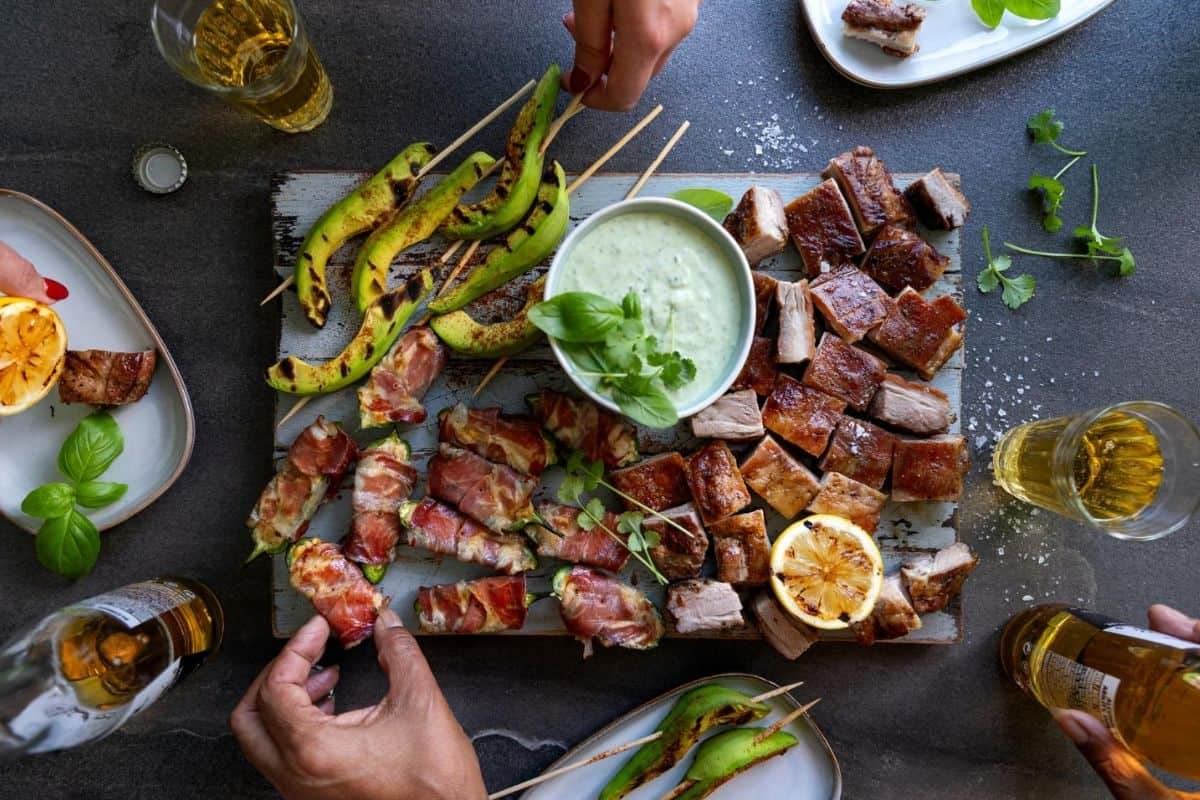
For many South Africans, the braai is more than just a method of cooking meat; it is a cultural institution that transcends racial, economic, and linguistic barriers. Gathering around a fire is a shared practice that brings families and communities together, offering a rare moment of commonality in a historically divided country. The trend data shows that this theme remains highly relevant, as the image of a Heritage Day braai meal continues to evoke strong emotions and represent a shared national pastime.
However, the question "What is my heritage but a braai?" also carries a tone of critique. Over the years, some cultural analysts and citizens have expressed concern that rebranding Heritage Day as "National Braai Day" dilutes the true significance of the holiday. Heritage Day was established to celebrate the diverse cultural wealth, languages, and traditions of all South Africans. Critics argue that focusing solely on a braai risks overshadowing the painful histories, unique customs, and distinct identities that make up the "Rainbow Nation."
The viral reception of this topic reflects a broader search for meaning among South Africans. While some embrace the braai as a harmless, unifying symbol that everyone can participate in regardless of their background, others use the occasion to showcase traditional attire, prepare indigenous foods, and perform ancestral rituals. The dialogue surrounding The Citizen's article suggests that South Africans are increasingly seeking a balance between celebrating their unique individual heritages and finding common ground that unites them as one nation.
As the holiday approaches, the online debate is likely to influence how individuals, corporates, and communities plan their celebrations. While retail promotions and supermarket aisles remain heavily focused on braai wood, charcoal, and meat, there is a growing push for events that incorporate educational elements, storytelling, and the preservation of indigenous languages. This shift indicates that the public is craving more substantive engagements with their history alongside the traditional social gatherings.
Looking ahead, it remains to be seen how this cultural dialogue will evolve in the public sphere. Social media platforms are expected to see an influx of posts showcasing diverse heritage celebrations, ranging from traditional Zulu, Xhosa, and Sotho ceremonies to Cape Malay feasts and Afrikaans gatherings, alongside the ubiquitous braai. Whether the braai remains the primary symbol of South African unity or serves as a starting point for deeper cultural exploration will continue to be a central theme of Heritage Day reflections for years to come.