Uber Driver Collides with Parked Cars Outside Taj Cape Town Hotel
An Uber driver has crashed into parked vehicles outside the popular Taj Cape Town hotel in the city's CBD. While the cause of the collision remains unconfirmed, the incident has raised questions about road safety and e-hailing regulations in high-traffic tourist zones.
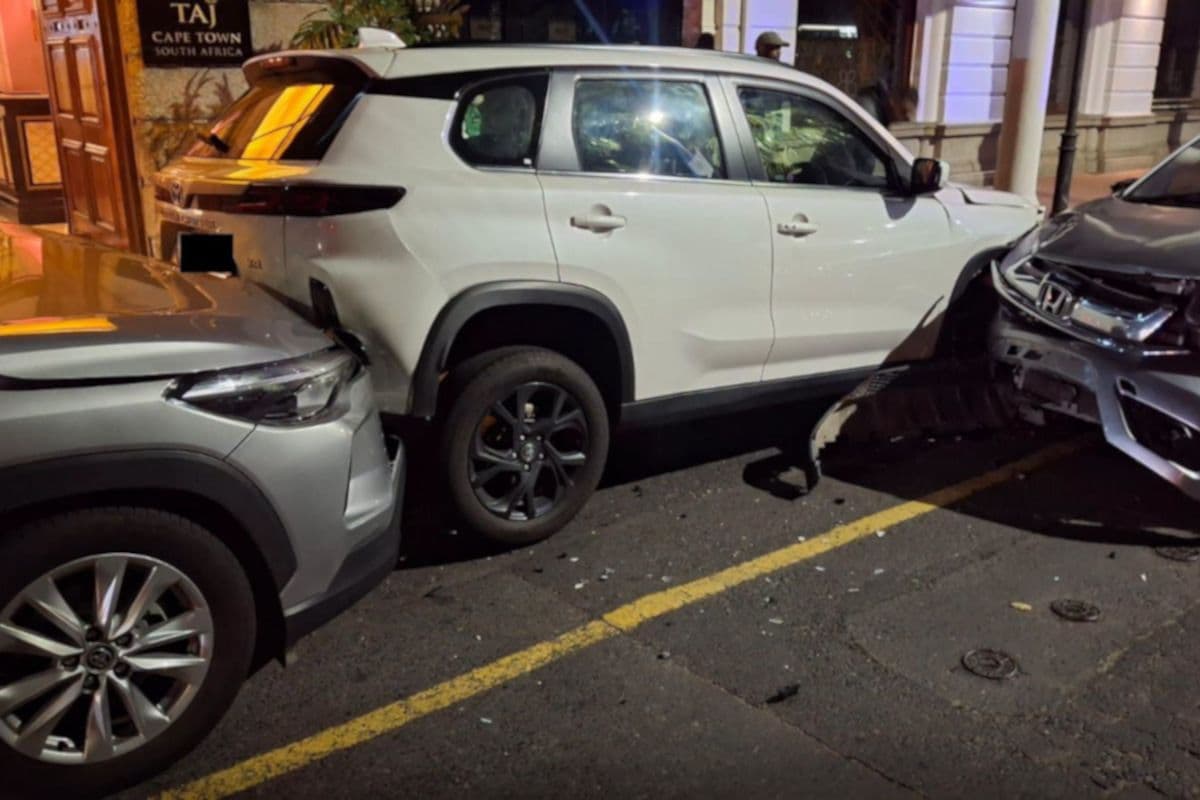
Reports emerged on Wednesday, 12 August 2026, of a dramatic traffic incident in the heart of the Cape Town central business district, where an Uber driver crashed into several parked vehicles. The collision occurred directly outside the popular Taj Cape Town, a prominent luxury hotel located in the historic centre of the city. The incident quickly captured public attention online, surfacing as a trending topic across social media platforms and local news outlets.
At this stage, specific details surrounding the crash remain limited. While it is confirmed that the e-hailing vehicle collided with parked cars outside the hotel, official sources have not yet released information regarding the exact cause of the accident. It remains unclear whether the crash was a result of mechanical failure, driver fatigue, sudden medical emergency, or external road conditions. Furthermore, authorities have not yet confirmed the total number of vehicles damaged or whether any injuries were sustained by the Uber driver, potential passengers, or pedestrians.
The location of the accident adds a layer of significance to the event. The Taj Cape Town is situated at a busy intersection near Wale Street and St George's Mall, an area characterized by heavy pedestrian traffic, historic landmarks, and constant vehicular movement. This precinct is a primary hub for tourists, business professionals, and visitors, making safety on its surrounding roads a matter of high priority for city officials. Accidents in such high-profile tourist zones often amplify public concerns regarding urban traffic management and pedestrian safety.
This incident also highlights the broader operational environment for e-hailing drivers in South African metropolitan areas. E-hailing services have become a cornerstone of urban mobility in Cape Town, offering vital transport links for both locals and international visitors. However, the sector operates under significant pressure, with drivers navigating congested CBD streets, tight schedules, and long working hours. While the cause of this specific collision has not been established, road safety advocates frequently point to driver fatigue and high-stress urban driving conditions as ongoing challenges within the e-hailing industry.
In the wake of such collisions, complex questions regarding liability and insurance protocols invariably arise. For incidents involving e-hailing platforms like Uber, standard operating procedures typically involve internal investigations by the company alongside official police reports. Uber South Africa generally maintains commercial insurance coverage for third-party bodily injury and property damage during active trips, but the resolution process for affected owners of parked vehicles can be intricate, requiring coordination between multiple private insurers and the e-hailing platform.
Moving forward, the public and motoring stakeholders will be watching for official updates from both Uber South Africa and local law enforcement agencies, such as the Cape Town Metro Police. A formal statement clarifying the circumstances of the crash, the status of the driver, and any potential regulatory or disciplinary actions is expected as investigations proceed. This incident is likely to stimulate further discussions on how the City of Cape Town manages e-hailing drop-off zones and general traffic safety in high-density hotel precincts.
Reporting record
How this story was produced
This article was AI-generated from the frozen trend evidence and passed deterministic quality and safety gates. No cross-provider evidence review or independent human verification is claimed for this record.
- Byline
- Newstrends AI Newsroom
- First published
- Last material update
- No later material update recorded
- Distinct source identifiers
- 1 retained source identifier
Frozen source links for this publication
Chronology
Story timeline
A generated chronology for orientation; dates and details may require source verification.
Update
Reports emerge of an Uber driver crashing into parked cars outside the Taj Cape Town hotel.
Reader file
Frequently asked questions
01Where did the Uber crash take place?
The crash occurred outside the popular Taj Cape Town hotel, located in the Cape Town central business district.
02Were there any injuries reported in the Cape Town Uber crash?
As of the initial reports on 12 August 2026, authorities have not confirmed whether there were any injuries to the driver, passengers, or bystanders.
03What is the cause of the collision?
The exact cause of the crash remains unconfirmed. Investigations will need to establish whether it was due to driver fatigue, mechanical failure, or other factors.
Keep reading
Related coverage
More published reporting connected to this story.
Strong Winds, Fire Danger and Icy Roads: SA Warned of Hazardous Thursday Weather
South Africans are urged to exercise extreme caution on Thursday, 13 August 2026, due to a hazardous weather forecast. The warning highlights a dangerous combination of strong winds, elevated fire danger, and icy roads across parts of the country.

Cape Town Launches New Mandatory Electricity Meter Rollout
The City of Cape Town is embarking on a new mandatory electricity meter rollout to modernise its utility infrastructure. While the strategic move aims to improve billing accuracy and grid management, specific timelines and costs for residents remain to be fully detailed.
Unemployed Mitchells Plain Mother Steps Up to Fight Hunger Through Community Feeding Initiative
An inspiring report from Mitchells Plain highlights how an unemployed mother is tackling local food insecurity. Despite personal financial hardships, her grassroots feeding initiative provides a vital lifeline in the Cape Town township.

Layla Kolbe Sparks Debate After Questioning South African All Blacks Supporters
Layla Kolbe, wife of Springbok star Cheslin Kolbe, has ignited a national conversation after describing the phenomenon of South Africans supporting the New Zealand All Blacks as 'a little sad'.

Historic and Lesser-Known Cape Town Planetarium Set for Restoration
Plans have been announced to restore a historic and lesser-known planetarium in Cape Town. While specific details about the project's budget and timeline remain unconfirmed, the initiative highlights a growing commitment to preserving South Africa's scientific heritage.