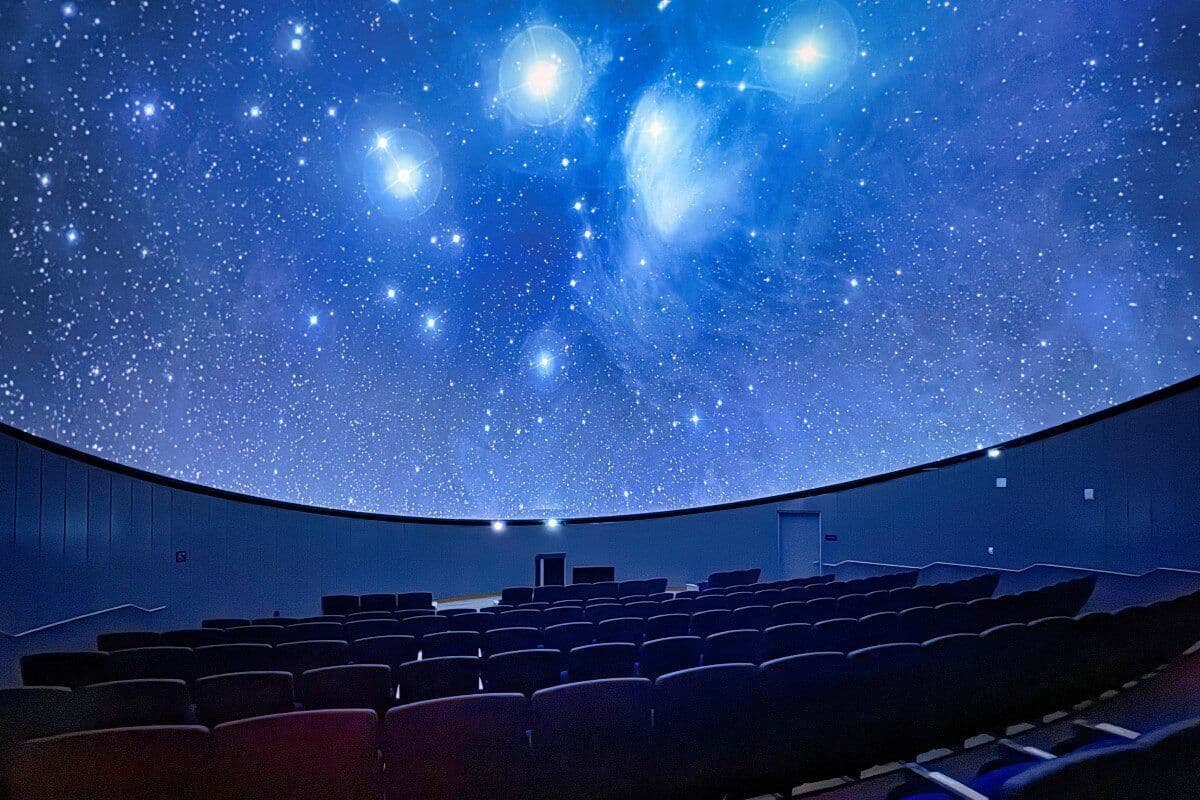
Cape Town's rich cultural and scientific landscape is set for a significant boost following the announcement that a historic and lesser-known planetarium in the Mother City is scheduled for restoration. The news, which emerged in August 2026, has sparked interest among heritage conservationists and astronomy enthusiasts alike, signaling a renewed focus on preserving South Africa's scientific history.
While initial reports from local sources confirm that plans are underway to restore this neglected astronomical facility, specific details regarding the project remain limited. At this stage, the exact identity and location of the planetarium have not been widely publicised, distinguishing it from Cape Town's more prominent astronomical landmarks. This mystery has heightened curiosity, as researchers and locals wonder which of the city's lesser-known historic structures will be brought back to life.
The decision to restore a lesser-known planetarium highlights the growing recognition of scientific heritage in South Africa. Often, historical preservation efforts focus on residential, political, or military architecture, leaving scientific institutions overlooked. Restoring a planetarium—a space dedicated to mapping the stars and educating the public about the cosmos—serves as a reminder of the country's long-standing contributions to astronomy and space science.
As of August 2026, several critical pieces of information regarding the restoration project have yet to be disclosed. It remains unclear which organisations are funding the initiative, what the projected budget will be, and how long the restoration process is expected to take. Furthermore, details about the state of the planetarium's original equipment, such as its star projectors and dome structure, have not been released, leaving questions about whether the restoration will focus on historical preservation or modern technological upgrades.
Once completed, the restoration of this historic site is expected to have practical implications for both education and tourism in the Western Cape. Planetariums play a vital role in stimulating interest in Science, Technology, Engineering, and Mathematics (STEM) fields among school learners. By reviving a lesser-known facility, Cape Town could gain a valuable new educational resource that complements existing institutions while offering tourists an off-the-beaten-track cultural experience.
Cape Town has a deep-seated connection to the study of the night sky, hosting some of the southern hemisphere's oldest astronomical initiatives. While the well-known Iziko Planetarium and Digital Dome continues to serve the public, the existence of a historic, lesser-known counterpart underscores the depth of the region's scientific archives. Revitalising such a space ensures that the physical remnants of South Africa's scientific journey are not lost to urban decay or neglect.
Moving forward, stakeholders and the public will be watching closely for official announcements from municipal heritage bodies, scientific organisations, or private developers involved in the project. Clear timelines, architectural plans, and safety assessments will be essential before any physical work begins on the historic site. As more information becomes available, the true scope of this ambitious restoration effort will become clearer to the South African public.