South Africans are bracing for a day of severe weather disruptions as a major system is forecast to sweep across parts of the country on Tuesday, 15 September 2026. According to early weather reports published by national news outlet The Citizen on Monday, the incoming system is expected to bring a combination of heavy downpours, strong winds, and rough seas. The triple-threat weather advisory has raised concerns for commuters, coastal communities, and maritime operators alike, signaling a turbulent start to the middle of the week.
The initial forecast, captured on 14 September 2026, serves as a crucial early warning for residents to prepare for rapidly deteriorating conditions. While the preliminary reports highlight the broad categories of the severe weather—specifically heavy rain, high winds, and disturbed sea conditions—the exact geographical distribution of the system's impact remains partially undefined in the initial data. However, the nature of these warnings suggests that both inland and coastal regions of South Africa could experience significant disruptions.
Heavy downpours present a recurring challenge for South African infrastructure, particularly in densely populated urban centres and informal settlements. When intense rainfall occurs over a short period, storm-water systems can quickly become overwhelmed, leading to localized flooding. Motorists are routinely cautioned during such events to avoid low-lying bridges and roads known for water accumulation. For residents living in low-lying areas or informal housing, heavy rain carries the added risk of property damage and displacement, making early preparedness essential.
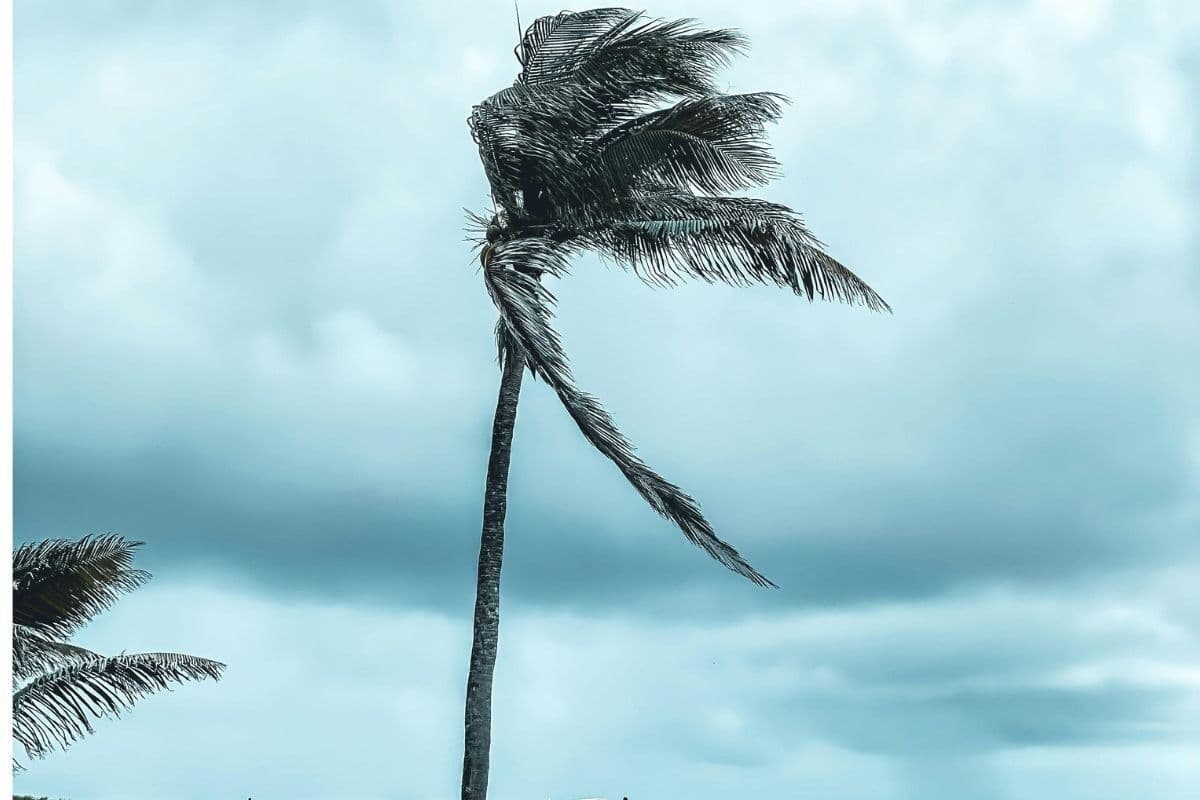
In addition to the rain, the threat of strong winds poses a separate set of hazards. Across South Africa, high winds are known to cause damage to formal and informal structures, rip roofs from buildings, and knock down trees or utility poles, which can lead to localized power outages. On the roads, strong winds present a severe hazard for high-sided vehicles, such as trucks and buses, which are susceptible to being blown off course. Pedestrians and motorists are advised to remain vigilant against flying debris in areas where wind speeds are expected to peak.
Along the country's extensive coastline, which stretches from the Atlantic Ocean to the Indian Ocean, the warning of rough seas is of paramount importance. Rough seas and high swells can create extremely dangerous conditions for small vessels, commercial fishing fleets, and recreational beachgoers. Coastal infrastructure, including tidal pools, harbours, and beachfront roads, often faces the brunt of strong waves during such weather events. Maritime authorities typically advise vessels to remain in port or exercise extreme caution when navigating open waters under these conditions.
Because the initial reports do not specify which provinces will bear the worst of the storm, South Africans across the country are urged to monitor local updates closely. Historically, systems bringing a combination of heavy rain, wind, and rough seas often point to cold fronts or low-pressure systems moving from the southwest, which typically impact the Western Cape, Eastern Cape, and KwaZulu-Natal coastlines before moving inland. However, until official provincial alerts are detailed, residents in all vulnerable regions should remain on standby.
In the absence of highly localized data, the general consensus for dealing with such severe weather advisories is proactive safety. Homeowners are encouraged to clear gutters of debris to prevent water buildup, secure loose items in yards that could be picked up by gale-force winds, and ensure emergency contact numbers are readily available. Commuters should plan for longer travel times, as wet roads and wind-blown obstacles are highly likely to cause traffic delays across major metropolitan routes.
As Tuesday, 15 September 2026, unfolds, the situation will become clearer as real-time observations are matched against meteorological models. South Africans are advised to keep a close eye on updates from reputable news sources like The Citizen and official advisories from the South African Weather Service. Staying informed and adhering to safety protocols will be key to navigating the heavy downpours, strong winds, and rough seas safely.