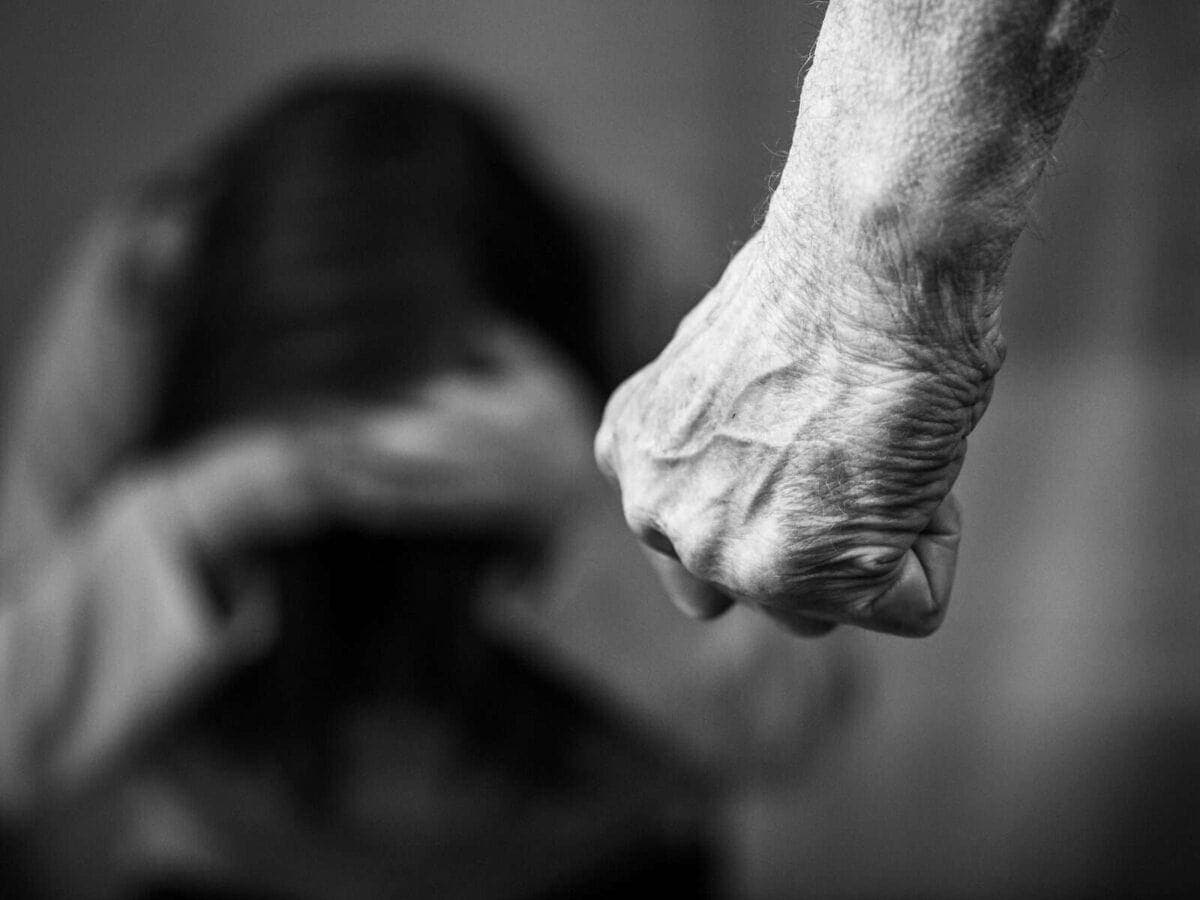
A prominent opinion piece published by the South African news outlet The Citizen has sparked widespread discussion across the country. Titled "The real danger is not the stranger but the man at home," the article was published on 17 September 2026 and quickly gained traction as a viral news topic in South Africa. The headline addresses a deeply sensitive and ongoing debate concerning personal safety, household security, and the nature of threats faced by individuals within their own domestic spaces.
The central premise highlighted by the title suggests a critical shift in how danger is perceived. While public anxiety is frequently directed toward external threats—such as strangers, street crime, and outside intruders—the trending article points to a different reality. It suggests that the primary source of danger for many individuals may actually reside within the home, pointing to intimate partners, family members, or known acquaintances rather than unknown external actors.
At this stage, the specific arguments, personal narratives, or statistical data utilized by the author of The Citizen's piece remain confined to the original publication. The tracking data confirms the article's rapid rise in public interest but does not detail the specific case studies or legislative measures that the piece may have advocated for. What is clear, however, is that the provocative headline has struck a chord with a general audience grappling with issues of domestic safety.
In South Africa, discussions surrounding the safety of individuals in their homes are highly relevant. The viral reception of this opinion piece underscores a broader societal recognition that domestic spaces are not always safe havens. By framing the discussion around "the man at home," the publication invites readers to confront uncomfortable truths about domestic relationships and the urgent need for protective measures that extend beyond merely securing physical properties from outside threats.
The role of national media platforms like The Citizen is vital in keeping these discussions in the public eye. By providing a space for opinion pieces that challenge conventional narratives about safety, such publications encourage communities to look inward. This dialogue is essential for raising awareness and fostering an environment where victims of domestic threats feel acknowledged and supported by the broader public discourse.
The practical implications of this trending discussion are significant. Shifting the public focus from external "stranger danger" to internal household dynamics can influence how community support organizations, local authorities, and advocacy groups allocate their resources. It highlights the importance of domestic intervention programs, counselling services, and legal protections designed to safeguard individuals from threats posed by those closest to them.
As the topic continues to circulate online, observers will be watching to see how the public responds to the ideas raised in the article. It remains to be seen whether this viral interest will translate into broader community initiatives or policy debates regarding domestic safety and support structures. For now, the trending status of The Citizen's piece serves as a stark reminder of the ongoing conversations necessary to address safety where it matters most—inside the home.