The Citizen Captures Global Events in Daily Photo Digest for 22 July 2026
South African news outlet The Citizen has released its daily visual round-up for 22 July 2026, featuring key global events. Among the highlighted imagery is a significant accident in the Netherlands, illustrating the power of daily photojournalism.
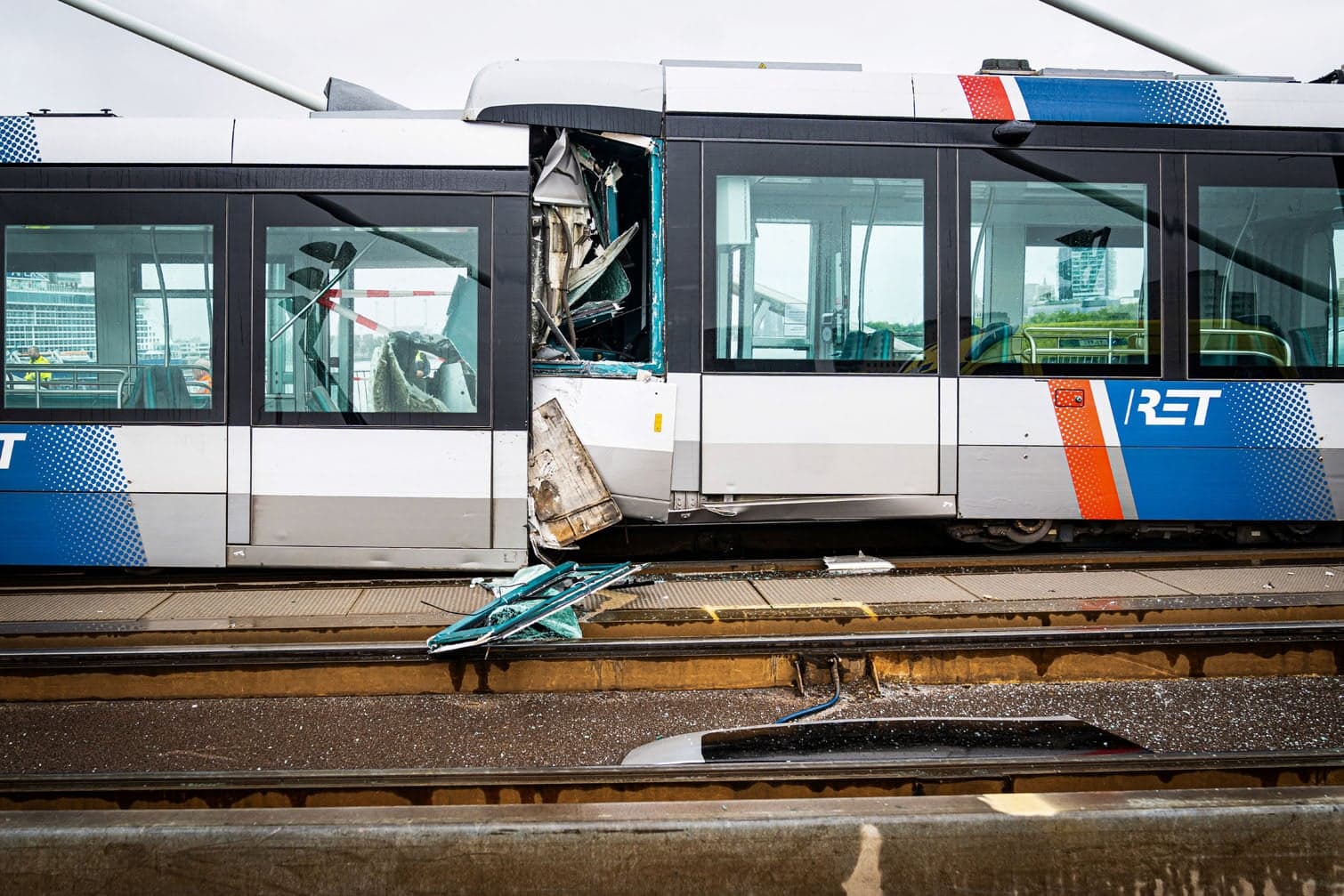
On 22 July 2026, South African media outlet The Citizen published its daily visual digest, "24 hours in pictures," offering readers a window into major global and local events. As digital media continues to evolve, curated photo galleries have become a cornerstone of daily news consumption in South Africa. This specific gallery, compiled on Wednesday, highlights how visual storytelling bridges the gap between local audiences and international developments, capturing pivotal moments from around the world within a single, accessible format.
Among the prominent visual features in the 22 July compilation is an image documenting an accident in the Netherlands. The inclusion of this international incident, flagged in the publication's media repository as a key visual component, underscores the global reach of the daily feature. However, because the initial trend data does not provide specific details regarding the nature of the collision, the exact location within the Netherlands, or any potential casualties, these critical aspects of the event remain unconfirmed.
For South African readers, publications like The Citizen play a vital role in contextualising international events. In an era where news cycles are rapid and information is often fragmented, a curated gallery allows citizens to quickly grasp the scale of global occurrences. The inclusion of the Netherlands accident image alongside other daily events demonstrates the newsroom's commitment to maintaining a broad international outlook, ensuring that local audiences are kept informed of significant happenings beyond their borders.
Visual journalism of this nature serves a dual purpose in the South African media landscape. Firstly, it provides immediate emotional and cognitive impact that text-only reporting sometimes struggles to achieve. A single photograph of an accident or a public gathering can convey the gravity of a situation instantly. Secondly, it allows local newsrooms to leverage international syndication and agency feeds efficiently, maximizing their coverage footprint without the prohibitive costs of deploying local journalists abroad.
The "24 hours in pictures" format has historically proven to be highly engaging for online audiences, often categorised under viral news due to its shareable nature. In South Africa, where mobile data costs and internet access patterns influence how media is consumed, quick-to-load visual summaries offer a practical alternative to long-form reading. Readers can scan through the day's defining moments, from political developments and environmental crises to human-interest stories, during their daily commutes or brief breaks.
While the specific gallery for 22 July 2026 highlights the Dutch accident, it also represents a broader trend of how modern newsrooms archive and present history in real-time. Each image selected for the daily round-up undergoes a curation process where editors must balance local relevance with international significance. What remains unclear is the full spectrum of other events captured in this specific 24-hour window, as the current data focuses heavily on the European transport incident as a primary visual anchor.
As the public monitors these daily updates, the role of automated systems and digital curation in South African journalism is likely to expand. Audiences are encouraged to visit the original publication to view the complete gallery and obtain the full context surrounding the Netherlands accident and other featured photographs. Watching how South African media houses continue to integrate multimedia storytelling will be essential for understanding the future trajectory of digital news in the region.
Reporting record
How this story was produced
This article was AI-generated from the frozen trend evidence and passed deterministic quality and safety gates. No cross-provider evidence review or independent human verification is claimed for this record.
- Byline
- Newstrends AI Newsroom
- First published
- Last material update
- No later material update recorded
- Distinct source identifiers
- 1 retained source identifier
Frozen source links for this publication
Chronology
Story timeline
A generated chronology for orientation; dates and details may require source verification.
Update
The Citizen publishes its daily '24 hours in pictures' gallery featuring global events, including an accident in the Netherlands.
Reader file
Frequently asked questions
01What is "24 hours in pictures"?
It is a daily curated photo gallery published by the South African media outlet The Citizen, showcasing significant global and local events from the preceding 24 hours.
02What major event was featured in the 22 July 2026 gallery?
The gallery featured an image of an accident in the Netherlands, though specific details regarding casualties or the cause of the accident were not immediately detailed in the metadata.
Keep reading
Related coverage
More published reporting connected to this story.
South Africans Question Delayed Justice as Calls for Real-Time Accountability Grow
A viral opinion piece has sparked a nationwide debate on the slow pace of South Africa's legal system. Citizens and experts are questioning whether delayed accountability ultimately undermines the rule of law.
‘Get body bags ready’: Andrea Johnson speaks on alleged death threats before Khumalo’s arrest
Reports have emerged detailing chilling death threats, including a warning to 'get body bags ready', directed at Andrea Johnson-Madlanga before the arrest of an individual named Khumalo. The developing story highlights the severe security risks faced by key figures in South Africa's legal landscape.
Dramatic Night Rescues Executed on Table Mountain and Helderberg Nature Reserve
Emergency services in Cape Town have successfully executed dramatic night-time rescues at Table Mountain and the Helderberg Nature Reserve. The incidents highlight the severe hazards of navigating the Western Cape's rugged terrain after dark during the winter season. Detailed reports on the rescued individuals and their conditions remain unconfirmed.

Tyla Makes History as the First African Artist to Be Immortalised as a Bratz Doll
South African star Tyla has secured a historic milestone as the first African artist to get her own Bratz doll. While the announcement has sparked widespread excitement, key details about the doll's design and release date remain under wraps.

Friday PowerBall Sparks Viral Interest Across South Africa as Players Seek Jackpot Details
Public interest in South Africa has surged ahead of the upcoming Friday PowerBall draw, with search queries spiking mid-week. Media reports highlight a growing viral trend as players seek to confirm the estimated jackpot size. Official figures remain highly anticipated as the weekend draw approaches.