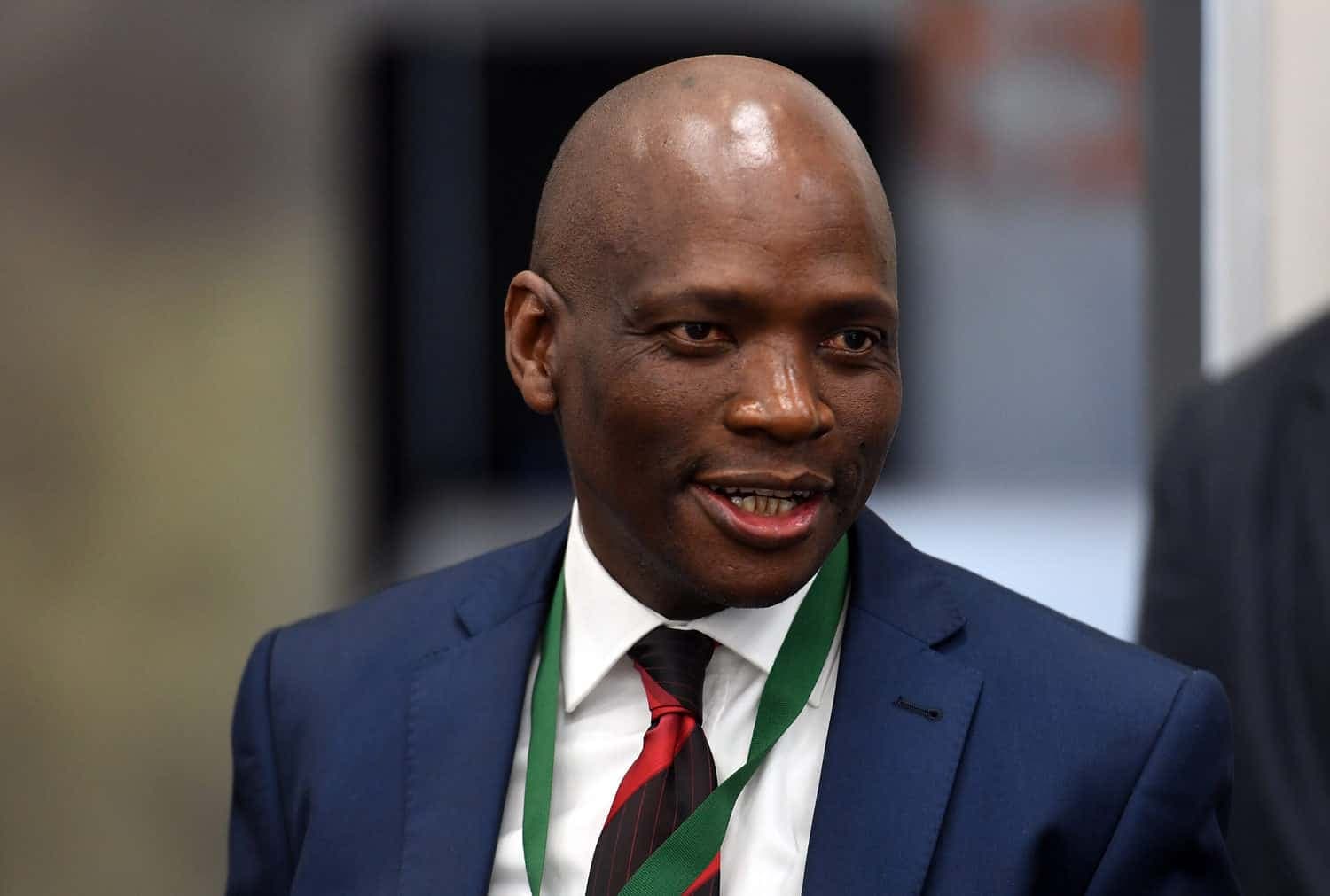
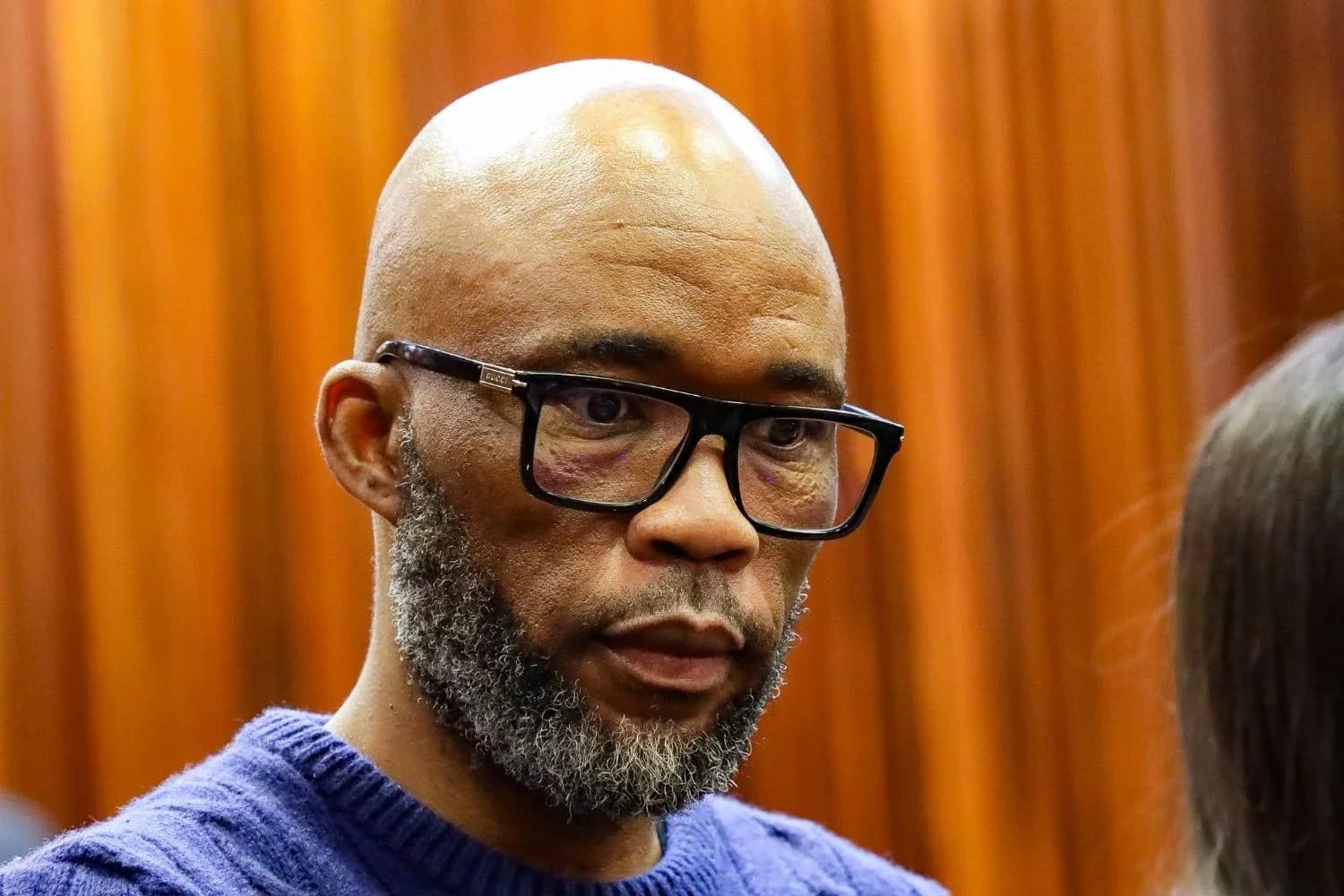
The suspended Director-General of the Department of Justice and Constitutional Development, Mashabane, has found himself at the centre of a growing national debate regarding the handling of historical cases from the Truth and Reconciliation Commission (TRC). This development comes as Mashabane strongly denies any personal or professional involvement in alleged political interference that has reportedly stalled key apartheid-era prosecutions. The situation has once again placed the spotlight on South Africa's long-delayed transitional justice processes and the administrative hurdles facing these critical legal matters.
According to emerging reports, the controversy surrounds persistent questions over why numerous high-profile TRC cases have remained unresolved decades after the commission concluded its work. The slow pace of these prosecutions has led to mounting frustration among victims' families, legal advocacy groups, and the broader South African public. As the administrative head of the justice department, Mashabane has been called to account for the department's role, or lack thereof, in advancing these cases, leading to his current suspension and subsequent denials of wrongdoing.
In his defence, Mashabane has firmly rejected the notion that he played any part in blocking or delaying the progress of TRC-related investigations and trials. The suspended Director-General maintains that his actions have always been in line with his administrative mandate and that any allegations of political interference on his part are unfounded. However, the exact details of the specific allegations against him, as well as the evidence supporting either side of the dispute, have not yet been fully disclosed to the public.
To understand the gravity of these developments, it is necessary to consider the historical context of the Truth and Reconciliation Commission. Established in the mid-1990s to help South Africa transition from apartheid to a democratic society, the TRC was tasked with uncovering the truth about gross human rights violations committed during the apartheid era. While many perpetrators received amnesty in exchange for full disclosure, those who did not apply for amnesty, or were denied it, were supposed to face criminal prosecution by the National Prosecuting Authority (NPA).
Despite this mandate, very few prosecutions of apartheid-era perpetrators have successfully made it to court over the past thirty years. Families of victims have long argued that there has been a systematic lack of political will to pursue these cases, suggesting that senior government officials may have actively or passively interfered with the work of prosecutors. The current focus on Mashabane highlights these long-standing suspicions, raising questions about whether administrative blockages within the Department of Justice have contributed to the delays.
As the Director-General, Mashabane held one of the most senior administrative positions in the country's legal system, responsible for overseeing the department's operations, budget, and support services for the judiciary and prosecuting authority. While the NPA is constitutionally independent, the Department of Justice provides the necessary administrative framework and resources to facilitate its work. Consequently, any breakdown in cooperation or administrative delay at the department level can have severe consequences for the progression of complex historical cases.
At this stage, several key aspects of the situation remain unclear. The public has not yet been briefed on the specific TRC cases that are alleged to have been affected by the administrative decisions during Mashabane's tenure. Furthermore, the precise terms of Mashabane's suspension and the timeline for any upcoming disciplinary hearings or independent investigations have not been formally confirmed by the Ministry of Justice and Correctional Services.
As South Africans watch this situation unfold, the outcome of the inquiry into Mashabane's conduct will likely have significant implications for the future of transitional justice in the country. Civil society organisations, which have campaigned tirelessly for the prosecution of apartheid-era crimes, are expected to keep a close eye on the proceedings. For many, the resolution of these allegations is not just about holding a single official accountable, but about finally securing justice for the victims of apartheid who have waited decades for closure.