South Africa Secures Nearly R25bn World Bank Loan to Tackle Water and Infrastructure Challenges
South Africa is expected to receive a massive loan of nearly R25 billion from the World Bank. The funding is primarily aimed at addressing the country's critical water challenges alongside other developmental infrastructure needs.
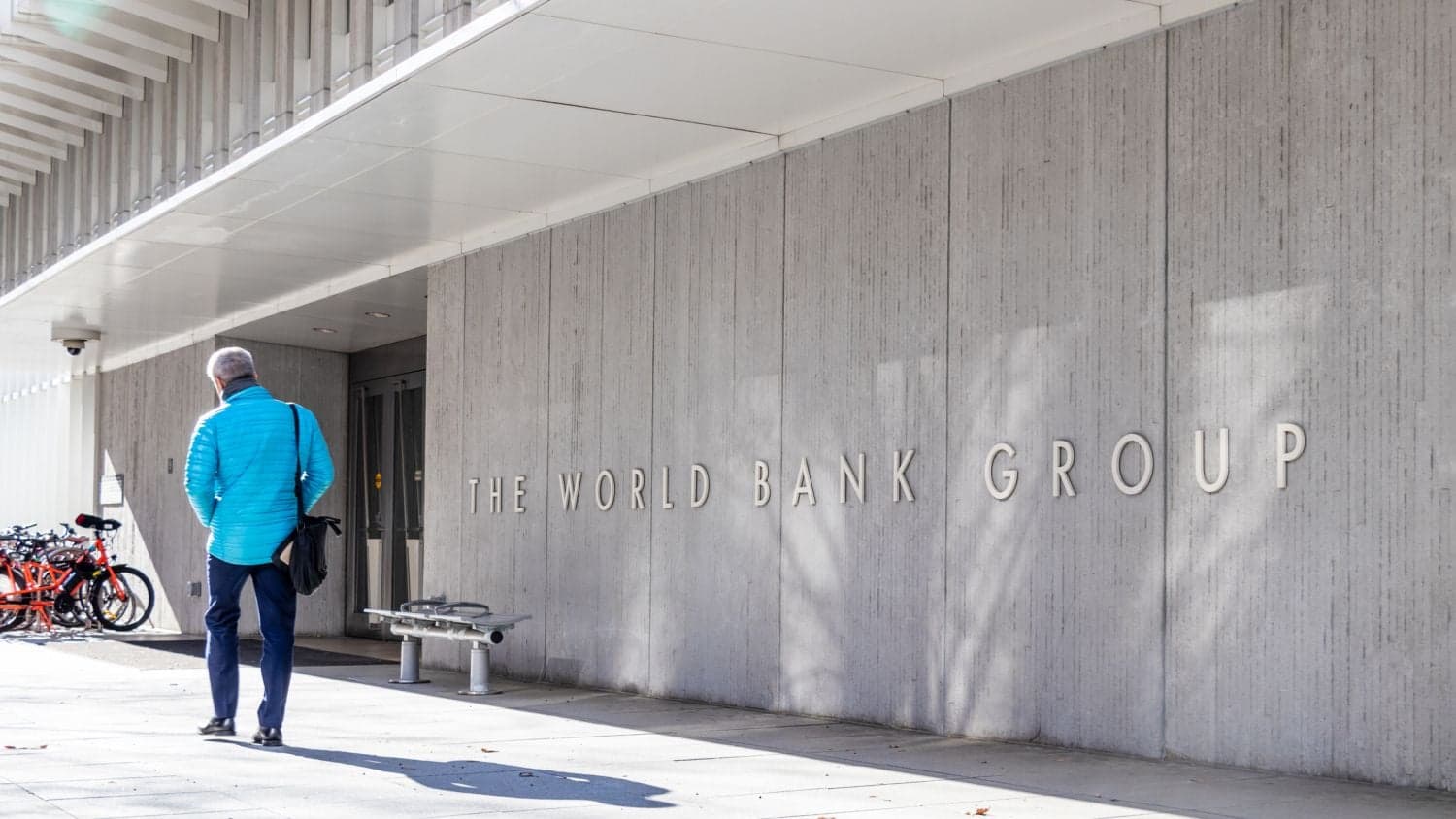
South Africa is set to receive a major financial boost to address its critical infrastructure and developmental needs, with a loan of nearly R25 billion from the World Bank. This substantial funding package is expected to primarily target the country's pressing water challenges, alongside several other key developmental priorities that have placed a strain on the national grid and public resources. The announcement of this massive financial injection comes at a time when infrastructure reform is at the forefront of the national agenda.
While the exact terms of the loan agreement and repayment schedules have not been fully detailed in the initial reports, the sheer volume of the funding highlights the scale of the infrastructure backlog the country currently faces. Securing a loan of nearly R25 billion represents a significant international partnership, signaling confidence from global financial institutions in South Africa's long-term developmental strategies, despite ongoing domestic economic pressures.
Water security has increasingly become one of South Africa's most critical systemic risks. From municipal supply disruptions in major metros to dry taps in rural communities, the country's water systems require urgent capital injection and systemic rehabilitation. The World Bank's funding is positioned as a timely intervention to help mitigate these ongoing water challenges, which have threatened both daily livelihoods and broader economic productivity across various provinces.
Beyond the immediate focus on water infrastructure, the funding is also designated to support other critical sectors, as indicated by the "among others" clause in the initial reports. This suggests that while water is a primary and urgent focus, other critical infrastructure sectors—such as sanitation, municipal services, or general public works—may also benefit from this capital. However, the specific breakdown of how the R25 billion will be allocated across different government departments or local municipalities remains unclear at this stage.
The decision to secure funding from global bodies like the World Bank reflects a continuing relationship between South Africa's National Treasury and international lenders to secure development finance. These types of development loans are typically designed to offer more favorable terms than commercial debt, making them a strategic tool for emerging markets looking to fund large-scale public utilities. However, the exact conditions and policy frameworks attached to this specific R25 billion loan are yet to be fully disclosed by the government.
In maintaining strict journalistic integrity, it is important to highlight the key details that remain unknown to the public. Currently, there is a lack of official documentation specifying the exact interest rates, the repayment timeline, and the specific municipal or national water projects that will receive priority funding. Furthermore, it remains to be seen which government agencies will oversee the distribution and implementation of these funds, and what mechanisms will be put in place to prevent mismanagement.
As South Africa prepares to absorb this massive capital injection, the national focus will inevitably shift to implementation, governance, and accountability. Ensuring that the nearly R25 billion is spent transparently and effectively on fixing leaking pipelines, upgrading water treatment plants, and expanding access to underserved communities will be crucial. Past infrastructure projects have often faced delays, making rigorous oversight a primary concern for civil society and taxpayers alike.
In the coming weeks, citizens, businesses, and economic analysts will be watching closely for formal joint briefings from the National Treasury, the Department of Water and Sanitation, and the World Bank. These upcoming updates are expected to provide the necessary clarity on how this multi-billion-rand loan will translate into tangible, long-term improvements for South Africans facing daily water supply struggles and infrastructure challenges.
Reporting record
How this story was produced
This article was AI-generated from the frozen trend evidence and passed deterministic quality and safety gates. No cross-provider evidence review or independent human verification is claimed for this record.
- Byline
- Newstrends AI Newsroom
- First published
- Last material update
- No later material update recorded
- Distinct source identifiers
- 1 retained source identifier
Frozen source links for this publication
Chronology
Story timeline
A generated chronology for orientation; dates and details may require source verification.
Update
Reports emerge detailing South Africa's expected R25 billion loan from the World Bank to address water and infrastructure challenges.
Reader file
Frequently asked questions
01How much is the World Bank loan to South Africa?
The loan from the World Bank is valued at nearly R25 billion.
02What will the R25 billion loan be used for?
The funding is expected to help South Africa address its ongoing water challenges, among other infrastructure and developmental needs.
03Are the exact terms of the loan public?
No, the specific interest rates, repayment terms, and exact project-by-project allocations have not yet been fully detailed.
Keep reading
Related coverage
More published reporting connected to this story.
The Hidden Cost of Debt is Hitting South African Homes Harder Than Ever
A rising tide of hidden borrowing costs is putting unprecedented pressure on South African household budgets. As secondary fees and insurance premiums compound, consumers face a growing financial squeeze.
How Will South Africa Spend Its R24.7 Billion World Bank Loan?
South Africa has secured a R24.7 billion loan from the World Bank, raising critical questions about how the funds will be allocated. While the massive capital injection is confirmed, the specific spending plans and loan terms remain under public scrutiny.
South Africans Urged to Exercise Caution with Tax Refunds: Check These Three Things First
As tax season progresses, discussions are trending among South African financial circles, advising individuals to carefully consider their tax refunds. A key piece of advice circulating highlights the importance of reviewing three specific aspects before deciding how to spend these funds. This guidance underscores a growing emphasis on prudent financial management in the country.
Standard Bank Ordered to Compensate Woman R5,000 for Unfair Treatment in Car Finance Dispute
Standard Bank has been ordered to compensate a woman R5,000 following a dispute over car finance, citing unfair treatment. This development, reported on July 19, 2026, highlights the ongoing scrutiny of financial institutions' conduct in South Africa's consumer credit market and the mechanisms available for consumer protection.
Kumba Iron Ore Forecasts Significant Drop in Interim Headline Earnings
South African mining giant Kumba Iron Ore has warned of a projected decline in its interim headline earnings. While the preliminary report flags a significant downturn, the exact figures and underlying drivers remain unconfirmed ahead of the full financial release.