Financial Access Beyond Nationality: The Push for Inclusive Banking in South Africa
A new report highlights the growing movement to expand banking access to non-nationals in South Africa. The initiative aims to foster economic inclusion and transition individuals from informal cash economies into the formal financial sector.

A critical discussion regarding the evolution of South Africa's financial sector has come to the forefront, highlighting the need for more inclusive banking practices that transcend borders. According to a report published by The Citizen on 21 July 2026, titled "Financial access beyond nationality: Banking for inclusion in South Africa," there is an increasing focus on how the country can expand financial services to individuals regardless of their national origin. This development marks a pivotal moment in the ongoing dialogue surrounding economic integration and financial equality within the region.
The core of this discussion lies in the concept of financial inclusion, which aims to provide accessible and affordable financial products to all segments of society. In South Africa, the debate around "financial access beyond nationality" points to a growing recognition that restricting banking services based strictly on nationality can hinder overall economic growth. By addressing these barriers, the financial sector could potentially unlock new economic opportunities and bring a larger portion of the population into the formal financial fold.
Historically, accessing formal banking in South Africa has presented significant hurdles for non-nationals, including migrant workers, refugees, and asylum seekers. Stringent documentation requirements have often left these vulnerable groups with limited options, forcing many to rely on informal and sometimes insecure financial channels. While the trend data highlights a push towards "banking for inclusion," the specific regulatory frameworks or legislative amendments currently being proposed to ease these restrictions remain to be fully detailed.
The practical implications of expanding financial access are far-reaching. For individuals, having a secure bank account means the ability to safely receive wages, make secure transactions, and build a verifiable financial history. For the broader South African economy, transitioning individuals from informal cash-based transactions to formal banking systems enhances financial transparency, improves tax compliance, and fosters a more stable economic environment.
To achieve true financial inclusion, the role of local financial institutions and emerging financial technology (fintech) firms is critical. The push for banking access beyond nationality suggests that traditional banks may need to adapt their risk assessment models and identification verification processes. While the specific strategies of individual South African banks are not detailed in the current report, the industry's broader trajectory seems to favour more flexible, digital-first solutions to verify identity and assess creditworthiness.
Despite the clear benefits of this inclusive approach, several challenges and uncertainties persist. It remains unclear how financial regulators will balance the need for increased access with the strict anti-money laundering and know-your-customer (KYC) regulations that govern the global banking system. The exact timelines for any systemic reforms or the introduction of specialized banking products tailored for non-nationals have also not yet been made public.
As South Africa navigates these complex socio-economic dynamics, the progress of this initiative will be closely watched by policy makers, financial institutions, and human rights advocates. The successful implementation of banking policies that look beyond nationality could serve as a model for other nations facing similar integration challenges. For now, stakeholders must await further details on how the government and the banking sector intend to turn these inclusive concepts into practical, everyday realities for all residents.
Reporting record
How this story was produced
This article was AI-generated from the frozen trend evidence and passed deterministic quality and safety gates. No cross-provider evidence review or independent human verification is claimed for this record.
- Byline
- Newstrends AI Newsroom
- First published
- Last material update
- No later material update recorded
- Distinct source identifiers
- 1 retained source identifier
Frozen source links for this publication
Chronology
Story timeline
A generated chronology for orientation; dates and details may require source verification.
Update
The Citizen publishes an analysis highlighting the need for financial access beyond nationality in South Africa.
Reader file
Frequently asked questions
01What is the main focus of the 'banking for inclusion' discussion in South Africa?
The discussion focuses on expanding formal banking access to individuals in South Africa regardless of their nationality, aiming to reduce barriers for non-nationals.
02Why is banking access challenging for non-nationals in South Africa?
Historically, strict documentation and identity verification requirements have made it difficult for migrant workers, refugees, and asylum seekers to open formal bank accounts.
Keep reading
Related coverage
More published reporting connected to this story.

Major South African Property Boss Sends Urgent Interest Rate Plea to Reserve Bank
A prominent South African property industry leader has issued an urgent appeal to the South African Reserve Bank regarding interest rates. The plea highlights growing pressure on the property sector amid crucial monetary policy decisions.
Report Indicates Domestic Workers and Checkers Sixty60 Drivers Are Fleeing South Africa
A recent report by BusinessTech.co.za suggests a developing trend of domestic workers and Checkers Sixty60 drivers departing South Africa. The article, captured on July 18, 2026, highlights a concerning movement within key South African labour sectors, though specific reasons or scale remain unquantified in the available data.
Standard Bank Ordered to Compensate Woman R5,000 for Unfair Treatment in Car Finance Dispute
Standard Bank has been ordered to compensate a woman R5,000 following a dispute over car finance, citing unfair treatment. This development, reported on July 19, 2026, highlights the ongoing scrutiny of financial institutions' conduct in South Africa's consumer credit market and the mechanisms available for consumer protection.
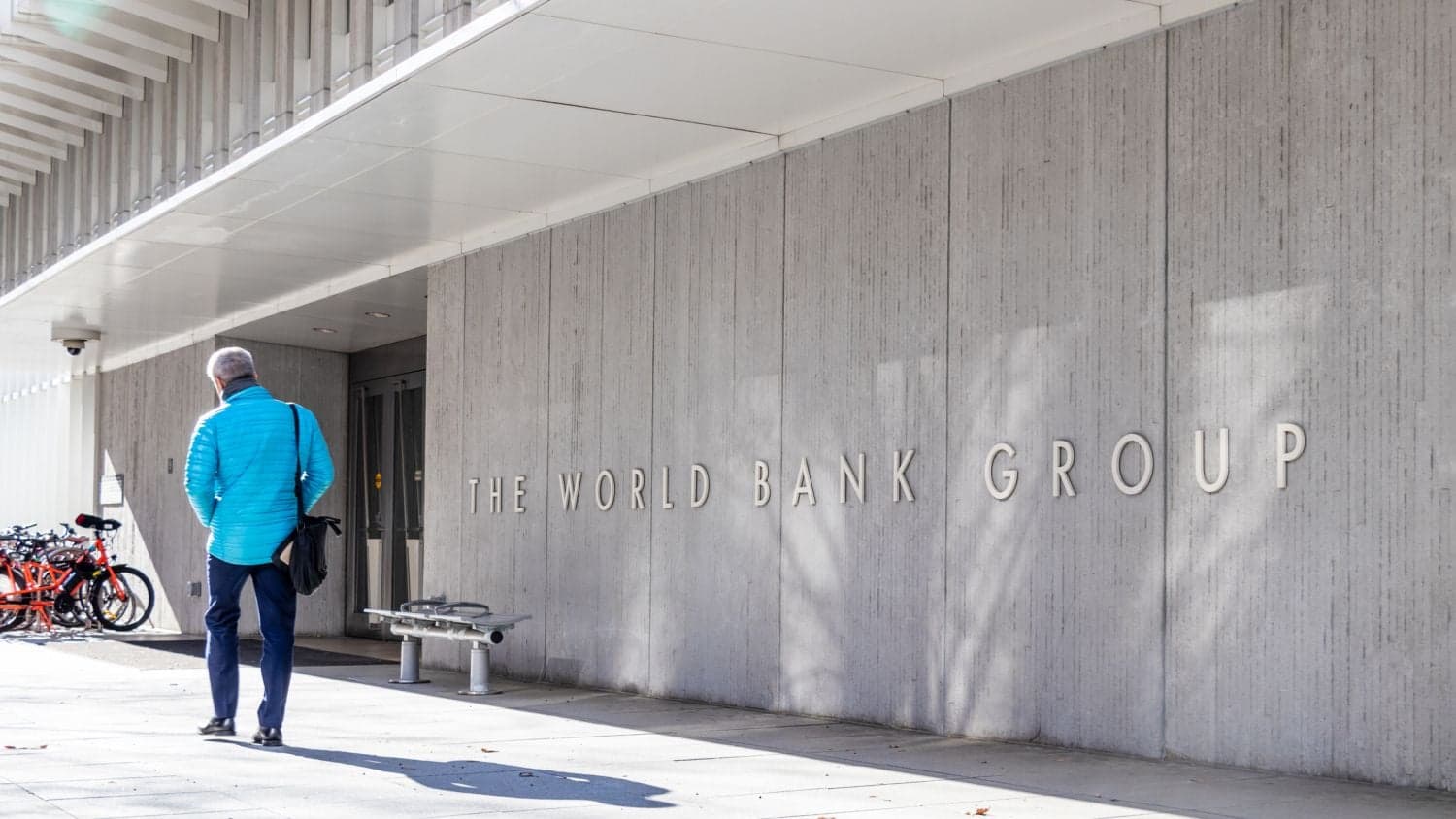
South Africa Secures Nearly R25bn World Bank Loan to Tackle Water and Infrastructure Challenges
South Africa is expected to receive a massive loan of nearly R25 billion from the World Bank. The funding is primarily aimed at addressing the country's critical water challenges alongside other developmental infrastructure needs.
The Hidden Cost of Debt is Hitting South African Homes Harder Than Ever
A rising tide of hidden borrowing costs is putting unprecedented pressure on South African household budgets. As secondary fees and insurance premiums compound, consumers face a growing financial squeeze.