Spring Tides Expected Along South Africa's Coast — Here's What You Need to Know
Spring tides are forecast for South Africa's coastline on 7 November 2026, prompting coastal residents and visitors to check local tide times before heading to the beach or sea. These powerful tidal conditions can significantly affect conditions along the country's lengthy shoreline. Here is what is known and why it matters.
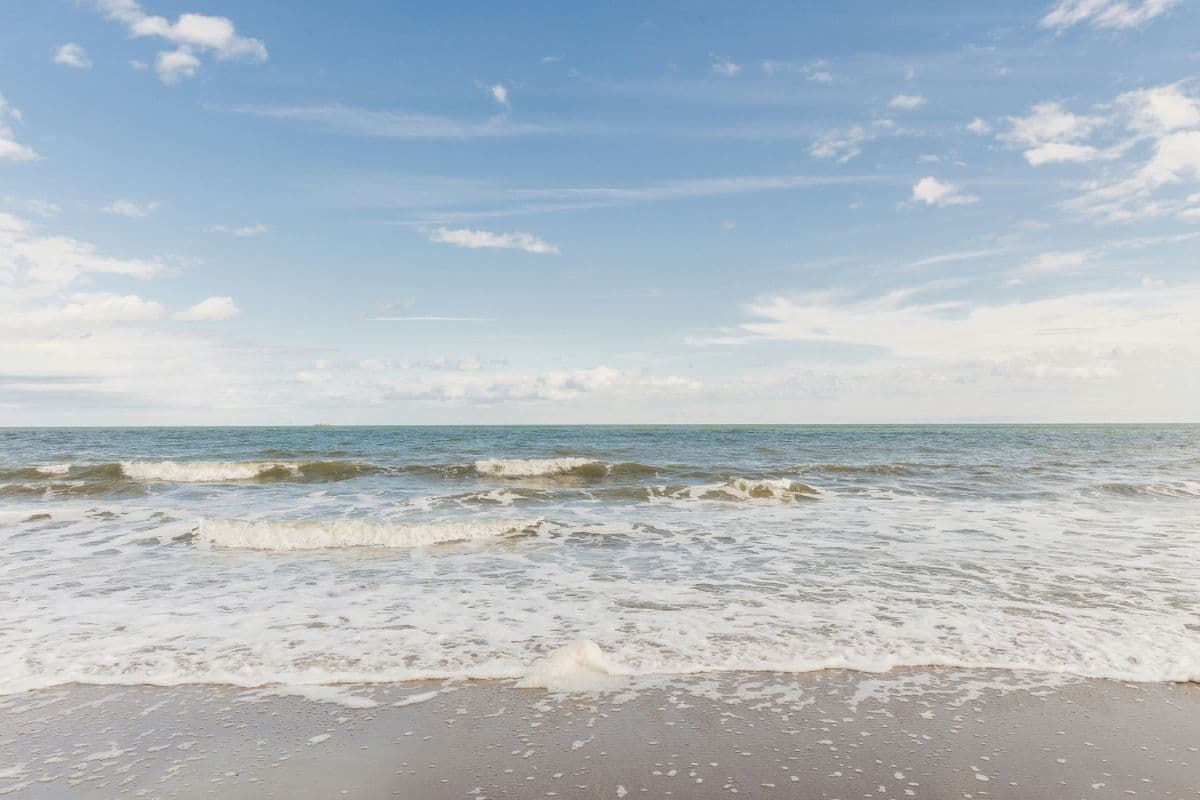
South Africans living near or visiting the coast have been urged to check their local tide times ahead of expected spring tides on 7 November 2026. The alert, which surfaced on The South African's news feed on the evening of 6 November, signals that tidal conditions the following day could be notably more pronounced than on a typical day — a reality that affects everyone from surfers and swimmers to fishermen and harbour operators.
Spring tides are a naturally occurring tidal phenomenon and have nothing to do with the season of spring. They happen roughly twice a month, occurring around the time of a new moon or a full moon, when the gravitational pulls of the sun and the moon align. During spring tides, the difference between high and low tide is at its greatest, meaning the sea rises higher and falls lower than at any other point in the lunar cycle. The incoming and outgoing water can move with considerably more force than during neap tides, which occur in the intervening periods.
South Africa's coastline stretches for approximately 2 500 kilometres, encompassing everything from the warm, sheltered shores of KwaZulu-Natal's north coast to the exposed, wave-battered cliffs of the Western Cape and the cooler waters of the Eastern Cape. Because of this geographic diversity, tidal times and heights vary considerably from one location to the next. What counts as a significant high tide in Durban may differ markedly from conditions in Cape Town's Table Bay or Port Elizabeth's Algoa Bay. This is why authorities and weather platforms consistently advise South Africans to consult region-specific tide tables rather than relying on general guidance.
The practical implications of spring tides are wide-ranging. Beachgoers should be aware that high-water marks will extend further up the shore than usual, which can catch unsuspecting visitors off guard — particularly at beaches with narrow tidal flats or low-lying access paths. Swimmers and surfers need to factor in stronger rip currents and faster-moving water, especially at spots that are already known for challenging surf. Anglers fishing from rocks or piers should take extra care, as waves and surge can reach areas that appear safe during calmer tidal windows.
For those who rely on the sea commercially or recreationally — including small-boat operators, kayakers, and dive charter companies — spring tide days typically require more careful planning. Harbour entry and exit windows can narrow, sandbanks and shallow channels can behave unpredictably, and exposed launch sites may become temporarily inaccessible. Local harbour masters and marine authorities generally monitor these conditions closely and may issue their own advisories.
It is worth noting that spring tides on their own are a routine part of the coastal calendar. They are not inherently dangerous, but they do demand a higher degree of awareness and preparation. The risk increases when spring tides coincide with strong onshore winds, storm swells, or low-pressure weather systems, which can compound the height and energy of incoming waves. Whether any such weather factors will play a role on 7 November 2026 was not specified in the available information, and readers are encouraged to consult the South African Weather Service and local marine forecasts for the most up-to-date picture.
The trend data indicates that this story was circulating as a timely, practical alert for the public rather than as a report of any specific incident or emergency. The focus is squarely on encouraging coastal residents and visitors to be informed before they make plans involving the sea. South African news platforms frequently publish tide-time guides tied to seasonal events, long weekends, and notable tidal occurrences, reflecting a broad public interest in coastal conditions across the country.
For now, the core advice remains straightforward: if you are planning to spend time near the ocean on 7 November 2026, take a moment to look up the tide times for your specific location before you go. Specific high- and low-tide times for each coastal town were not included in the available trend data, so consulting a dedicated South African tide chart or weather service will give you the precise information you need. Staying informed is the simplest and most effective way to enjoy South Africa's magnificent coastline safely during spring tide conditions.
Reporting record
How this story was produced
This article was AI-generated from the frozen trend evidence and passed deterministic quality and safety gates. No cross-provider evidence review or independent human verification is claimed for this record.
- Byline
- Newstrends AI Newsroom
- First published
- Last material update
- No later material update recorded
- Distinct source identifiers
- 1 retained source identifier
Frozen source links for this publication
Chronology
Story timeline
A generated chronology for orientation; dates and details may require source verification.
Update
Spring tide alert for South Africa's coastline published and captured by news feed on the evening of 6 November 2026.
Update
Spring tides expected along South Africa's coast, with higher-than-usual high tides and lower-than-usual low tides forecast for the day.
Reader file
Frequently asked questions
01What are spring tides and why do they occur?
Spring tides occur roughly twice a month when the sun and moon align gravitationally, typically around a new or full moon. This alignment causes the greatest difference between high and low tide levels, with water rising higher and falling lower than usual.
02When are spring tides expected along the South African coast?
According to available trend data, spring tides are expected along South Africa's coastline on 7 November 2026.
03Where can South Africans find specific tide times for their area?
Because tide times and heights vary by location along South Africa's roughly 2 500-kilometre coastline, residents should consult dedicated South African tide charts or the South African Weather Service for region-specific information.
04Are spring tides dangerous?
Spring tides are a normal part of the coastal calendar but require extra awareness. Risks increase when they coincide with strong winds or large swells. Beachgoers, swimmers, anglers, and boat operators should take additional precautions during spring tide conditions.
Keep reading
Related coverage
More published reporting connected to this story.
KZN braced for damaging winds and waves on Friday, 31 July 2026
KwaZulu-Natal is on alert as a weather warning forecasts damaging winds and waves for Friday, 31 July 2026. While the broad hazards are identified, specific wind speeds, wave heights, and exact localised impacts remain unconfirmed.
Weather Alert: South Africans Warned of Impending Damaging Winds, Storms and Rough Seas
A newly issued weather alert has warned of approaching damaging winds, severe storms, and rough seas across South Africa. While the initial report highlights significant environmental risks, specific details regarding the most affected provinces remain unconfirmed. Residents are urged to monitor local forecasts and take standard safety precautions.
Strong Coastal Winds Forecast to Sweep Between Eastern Cape and KwaZulu-Natal on Thursday
Weather forecasts warn of strong coastal winds affecting the coastline between the Eastern Cape and KwaZulu-Natal on Thursday, 27 August 2026. While specific wind speeds remain unconfirmed, residents and maritime operators are advised to exercise caution.
KZN Weather Alert: Strong Winds and Dangerous Waves Forecast for Coastal Parts
Parts of KwaZulu-Natal are bracing for adverse weather as reports warn of strong winds and dangerous waves. Residents, beachgoers, and maritime operators along the coastline are advised to exercise caution.
South Africa Braces for Fine but Cold Saturday with Alerts for Damaging Coastal Winds and Waves
A national weather alert has been issued for Saturday, 1 August 2026, warning of fine but cool to cold conditions alongside damaging coastal winds and waves. Coastal residents and marine users are urged to exercise extreme caution as adverse conditions develop.