Soweto Kota Festival Postponed Three Days Before Event Due to Severe Weather Advisory
The highly anticipated Soweto Kota Festival has been postponed just three days before its scheduled start. Organisers made the decision to delay the culinary event following a severe weather advisory.
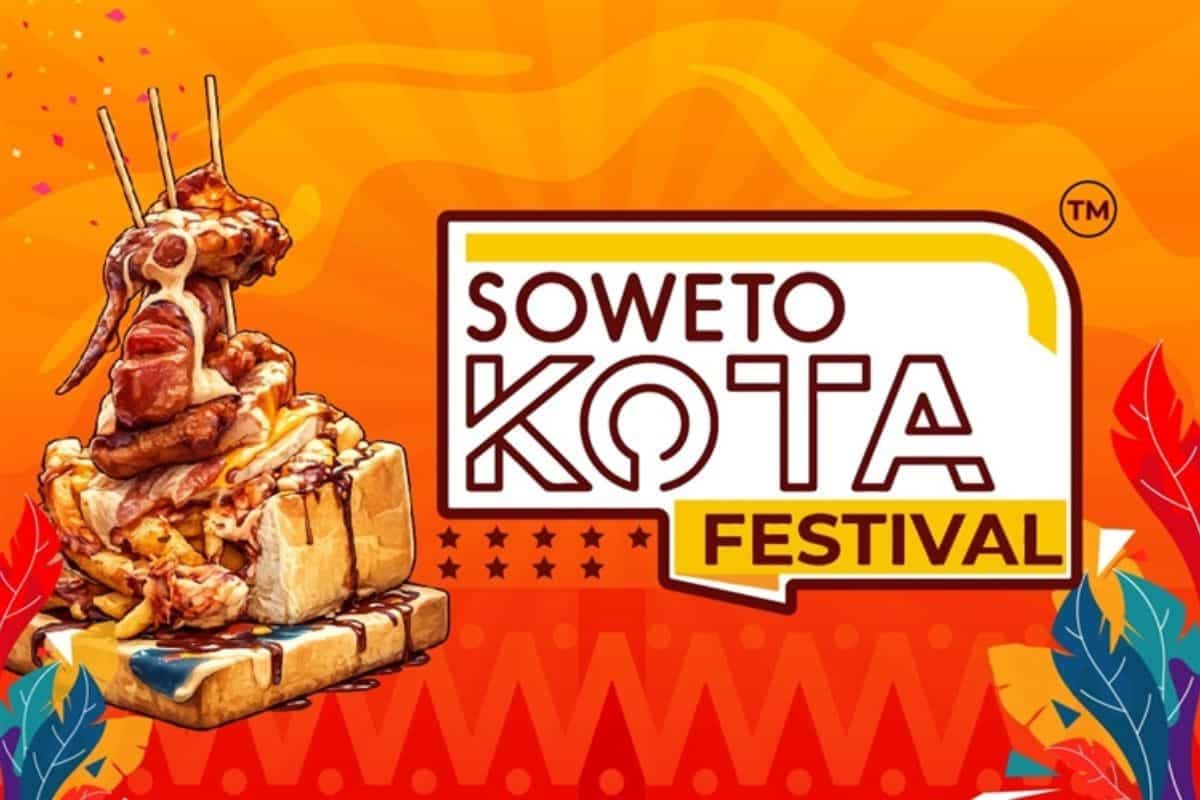
In a disappointing turn of events for Gauteng food lovers, the highly anticipated Soweto Kota Festival has been officially postponed. The announcement was made just three days before the popular culinary event was scheduled to kick off, leaving eager patrons and vendors scrambling to adjust their weekend plans. According to official reports, the sudden decision to delay the festival was prompted by a severe weather advisory, forcing organisers to prioritise the safety of attendees and participants over the scheduled festivities.
The timing of the postponement, coming a mere three days before the gates were set to open, highlights the urgency of the situation. For an event of this scale, decisions of this nature are never taken lightly. Organisers are typically faced with immense logistical challenges when halting a major public gathering at the eleventh hour, but a formal severe weather advisory presents an unavoidable risk that necessitates immediate precautionary action to ensure public safety.
The Soweto Kota Festival has grown to become one of the most prominent fixtures on the South African social and culinary calendar. Celebrating the iconic "kota"—a beloved street food staple consisting of a hollowed-out quarter loaf of bread generously filled with chips, polony, cheese, egg, and various other fillings—the festival attracts thousands of locals and tourists alike. It serves not only as a celebration of local flavour but also as an important platform for township entrepreneurship and cultural expression.
While the decision to postpone has undoubtedly caused widespread disappointment, the threat of severe weather in the region cannot be ignored. Outdoor festivals are particularly vulnerable to adverse weather conditions, which can compromise temporary structures, electrical equipment, and general venue safety. In South Africa, sudden shifts in weather patterns can pose significant hazards, making compliance with official meteorological warnings and safety advisories a critical responsibility for event coordinators.
At this stage, several key details regarding the postponement remain unconfirmed. The available information does not specify the exact rescheduled dates for the festival, nor does it outline the specific procedures for ticket refunds or validity for the future date. Additionally, the precise nature of the severe weather advisory—whether it involves heavy rainfall, strong winds, or other hazardous conditions—has not been detailed in the initial announcements. Patrons are advised to await further communication from the event organisers.
The economic impact of a late postponement is also a significant concern, particularly for the dozens of local informal traders and vendors who rely on the festival to showcase their culinary creations. Preparing for an event of this magnitude requires substantial upfront investment in fresh ingredients, stock, and staff. A delay of this nature presents immediate logistical and financial hurdles for these small businesses, who must now find ways to manage perishable inventory.
As the community processes the news, all eyes remain on the organisers for updates regarding the new timeline. Industry experts note that managing public expectations during a postponement requires clear, transparent communication. For now, ticket holders are encouraged to keep their tickets safe and monitor official social media channels and local news outlets, such as The Citizen, which first reported the postponement, for verified updates on when the celebration of Soweto's favourite street food will resume.
Ultimately, while the delay is a setback for South African festival-goers, the prioritisation of safety remains paramount. The Soweto Kota Festival represents unity, community spirit, and local pride, and ensuring that the event can be enjoyed in a safe, secure environment is essential for its long-term success. Further announcements regarding the new dates and vendor support measures are expected to be released in due course as organisers work behind the scenes to salvage the event.
Reporting record
How this story was produced
This article was AI-generated from the frozen trend evidence and passed deterministic quality and safety gates. No cross-provider evidence review or independent human verification is claimed for this record.
- Byline
- Newstrends AI Newsroom
- First published
- Last material update
- No later material update recorded
- Distinct source identifiers
- 1 retained source identifier
Frozen source links for this publication
Chronology
Story timeline
A generated chronology for orientation; dates and details may require source verification.
Update
Soweto Kota Festival postponement is officially announced three days before the event due to a severe weather advisory.
Reader file
Frequently asked questions
01Why was the Soweto Kota Festival postponed?
The festival was postponed due to a severe weather advisory, with organisers prioritizing the safety of all attendees, vendors, and staff.
02When was the postponement announced?
The announcement was made on 3 September 2026, exactly three days before the event was scheduled to take place.
03What should ticket holders do now?
Ticket holders are advised to keep their tickets safe and monitor official festival channels and local news reports for updates on the rescheduled dates and refund policies.
Keep reading
Related coverage
More published reporting connected to this story.

Investigation Launched After Sudden Death of Soweto Nursing Student
Authorities have launched an investigation following the sudden death of a nursing student in Soweto, Gauteng. While details surrounding the identity and cause of death remain unconfirmed, the tragedy has sparked widespread concern.
Weather Alert: South Africans Urged to Brace for Showers and Thundershowers
An early weather advisory has warned South Africans to prepare for incoming showers and thundershowers. While the specific province affected remains unconfirmed in initial reports, residents are urged to stay vigilant during this seasonal transition.

Affordable Haven: Viral Report Highlights South African Retirement Town with R650 000 Homes and Low Crime
A viral report has spotlighted a remarkably safe and affordable South African town ideal for retirees. With property prices starting at R650 000 and only 46 crimes recorded annually, the destination is drawing significant interest from prospective home buyers.
Mia Arderne's Irreverent Self-Help Guide Sparks Viral Interest in South Africa
An entertainment feature in the Cape Argus detailing Mia Arderne's unconventional guide to self-improvement has captured national attention. The viral article offers a raw, direct approach to personal growth that challenges traditional self-help norms.
Tragedy as Tlotlo Tsheka, Seven-Year-Old South African Author of Three Books, Passes Away
The South African literary community is mourning the tragic passing of Tlotlo Tsheka, a seven-year-old author who published three books. While the cause of death remains unconfirmed, the young writer's remarkable achievements leave a lasting legacy.