South Africa’s Space Programme Searches for One Learner to Make History
South Africa’s space programme has announced a search for a single school learner to participate in a historic space initiative. The viral announcement has sparked widespread excitement across the country as families and educators await further details on the selection process. This unique opportunity aims to bring national space ambitions directly to the youth.
The search is officially on for a young South African to make space history, marking an extraordinary milestone for the country’s scientific and educational landscape. According to reports published on 26 August 2026, South Africa’s space programme is actively seeking one learner to participate in an initiative that promises to secure their place in the annals of space exploration. This call for a young pioneer has quickly captured the imagination of the public, highlighting the growing intersection between national space ambitions and youth development.
The announcement has sparked widespread interest, particularly because it focuses on finding a single "learner"—a term typically used in South Africa to refer to school-going children. The prospect of a school student representing the nation in a historic space-related capacity is a novel approach to public science engagement. While the announcement has generated significant buzz, many of the finer details regarding the selection process, the specific eligibility criteria, and the exact nature of the historic task remain to be fully disclosed.
Historically, space programmes have often been viewed as the exclusive domain of highly trained adult specialists, researchers, and engineers. By opening up a historic opportunity to a school-level learner, South Africa’s space programme is breaking traditional barriers. This initiative underscores a commitment to making space science accessible and relatable to the broader public, particularly the youth who will shape the country's technological future.
At this stage, what remains unclear is the precise scientific or promotional role this learner will play. It is yet to be revealed whether the selected individual will undergo specialized training, participate in a localized space simulation, contribute to an active orbital mission, or serve as a youth ambassador for an upcoming launch. The lack of immediate details has only added to the intrigue, with educators and parents across South Africa eagerly awaiting official guidelines on how to apply or nominate candidates.
The timing of this announcement aligns with broader efforts within South Africa to promote Science, Technology, Engineering, and Mathematics (STEM) subjects in schools. By offering a life-changing opportunity of this magnitude, the space programme provides a tangible, high-profile example of where STEM education can lead. For many local students, the dream of contributing to space exploration is often seen as something distant or inaccessible; this initiative brings that dream directly into the South African classroom.
The news has rapidly gained traction online, classified as a viral talking point as citizens share the story across social media platforms. The collective excitement reflects a deep-seated national pride and a shared desire to see South African youth succeed on the global stage. Discussions among parents and teachers have already begun, with many speculating on the qualities the selection panel might look for, such as academic curiosity, leadership potential, or a demonstrated passion for astronomy and space science.
For schools and educational institutions across the country, the practical implications of this announcement are significant. Life orientation teachers and science departments are expected to use this opportunity to encourage students to research space careers. Families are advised to monitor official announcements closely to ensure they do not miss the application window once the formal criteria and submission channels are officially launched.
As the nation watches and waits, the next steps will involve the release of formal application protocols by the organizers of South Africa's space programme. Whether the selection will be conducted through a national competition, academic nominations, or an open audition process remains to be seen. What is certain, however, is that whoever this single learner turns out to be, they will carry the aspirations of an entire nation as they step forward to make space history.
Reporting record
How this story was produced
This article was AI-generated from the frozen trend evidence and passed deterministic quality and safety gates. No cross-provider evidence review or independent human verification is claimed for this record.
- Byline
- Newstrends AI Newsroom
- First published
- Last material update
- No later material update recorded
- Distinct source identifiers
- 1 retained source identifier
Frozen source links for this publication
Chronology
Story timeline
A generated chronology for orientation; dates and details may require source verification.
Update
Reports emerge that South Africa's space programme is searching for one learner to make space history.
Update
Official release of selection criteria and application guidelines is awaited by the public.
Reader file
Frequently asked questions
01What is the goal of the new South African space programme initiative?
The programme is searching for one learner to participate in an initiative that will make space history, aiming to inspire youth and promote space science.
02Who is eligible to apply for this space opportunity?
While the announcement specifies that a 'learner' (school student) is needed, the exact age, academic, and regional eligibility criteria have not yet been fully disclosed.
03Where can I find the application details?
Official application guidelines and selection criteria are expected to be released by the organizers of South Africa's space programme in the coming weeks.
Keep reading
Related coverage
More published reporting connected to this story.

No-Fee South African Private School Named Among the Best in the World
A 25-year-old private school in South Africa that charges no fees has been recognized globally as one of the world's best. The milestone highlights the viability of alternative, high-quality educational models in the country.
Essential Questions South African Parents Must Ask About the School Foundation Phase
A trending report from the Saturday Star has highlighted the critical questions parents should ask regarding the school foundation phase. As early childhood education remains a vital milestone, proactive parental involvement in Grades R through 3 is increasingly seen as essential.
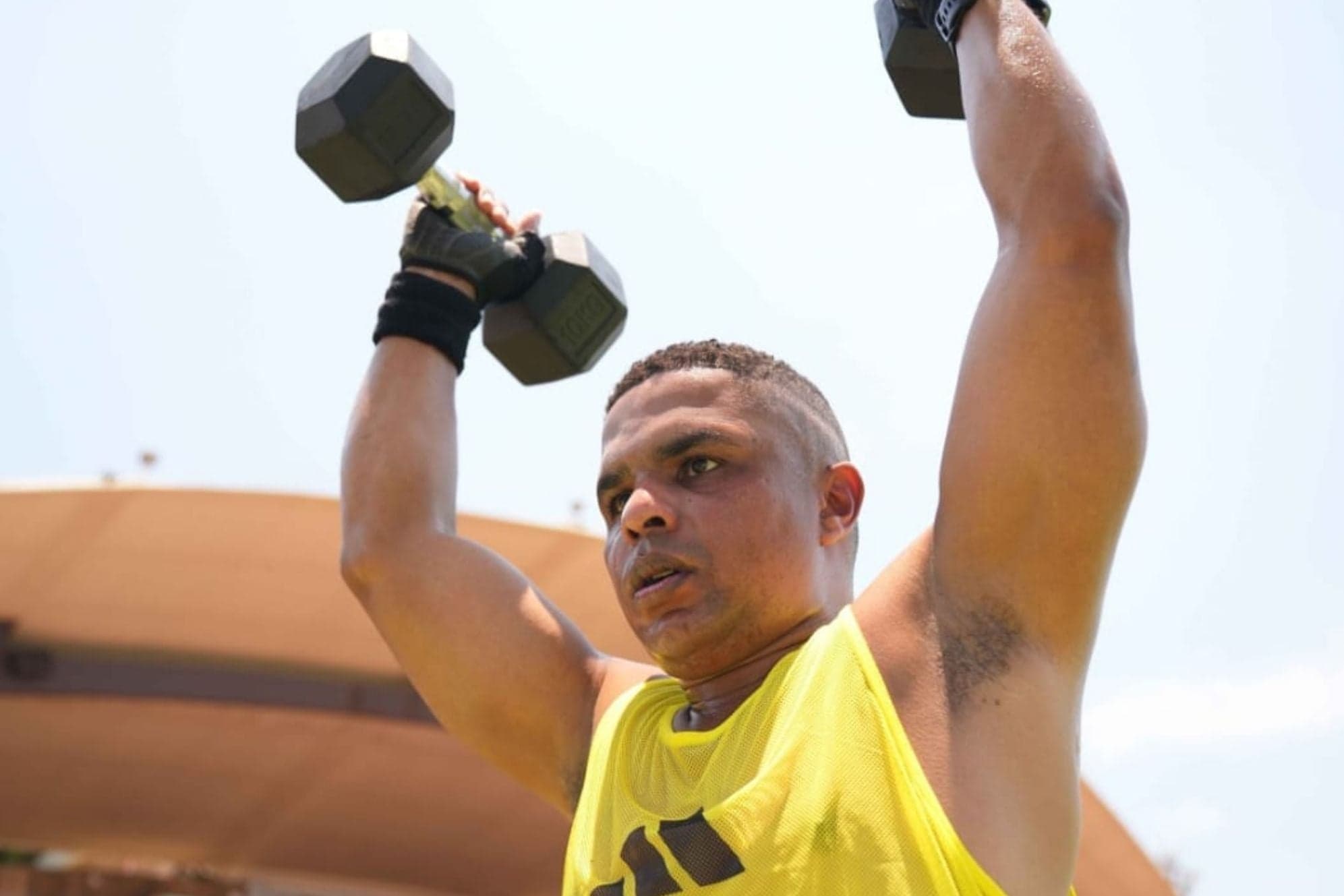
David Foster: Reiger Park Athlete Rises to the Global Fitness Stage
South African fitness athlete David Foster is making waves globally as his journey from Reiger Park to the international fitness stage captures national attention. The viral story highlights the power of local talent overcoming barriers to achieve global recognition.

Lisa Koppel Cancer Battle: Family Looks Beyond South Africa in Search for Hope
Reports have emerged detailing the cancer battle of Lisa Koppel, revealing that her family sought medical hope outside of South Africa. The story has quickly gone viral, highlighting the lengths families go to when facing severe health crises.
Billionaire private school in South Africa offers top education for R0.00 with a 99% Matric pass rate
A billionaire-funded private school in South Africa is redefining the educational landscape by offering elite-level schooling for R0.00. The institution has achieved an outstanding 99% Matric pass rate, proving that high-quality academic outcomes can be achieved without financial barriers.