South Africa's Driving Licences to Be Valid for 10 Years as Long-Awaited Policy Shift Begins
South African driving licence validity is set to extend from five to ten years, promising major relief for motorists. While the policy change has been confirmed, details regarding the official start date and transitional processes remain outstanding.
South African motorists are set for a major administrative shift following reports that the validity period for driving licences in the country is being extended to 10 years. According to reports published by the Sunday Tribune and hosted on Independent Online (IOL) on 19 August 2026, the long-awaited policy adjustment is finally moving forward. This development marks a substantial change for millions of local drivers who have spent years navigating the challenges of the previous five-year renewal cycle.
The decision to double the validity period from five to ten years is expected to be met with widespread approval across South Africa. For years, road users and transport advocacy groups have lobbied for an extension, arguing that the five-year renewal system placed an unnecessary bureaucratic and financial burden on citizens. The administrative bottlenecks, system failures, and long queues at Driving Licence Testing Centres (DLTCs) have been a persistent source of frustration, making this policy shift a highly anticipated reform.
While the core announcement of the 10-year validity has been established, many of the finer operational details remain to be officially clarified. The initial reports from August 2026 confirm the policy change but do not outline the exact date on which the new regulations will take effect. Motorists are currently left waiting for formal directives from the Department of Transport regarding how the transition from the current five-year cards to the new decade-long licences will be managed.
One of the primary practical implications of this change concerns driver health and safety, particularly regarding vision. Under the five-year system, the regular renewal process forced drivers to undergo eye testing at least twice a decade, ensuring that those with deteriorating vision were identified. With the validity period now stretching to ten years, questions remain about whether the government will introduce interim eye checks or rely on self-regulation and law enforcement to monitor driver fitness on South African roads.
From an administrative perspective, the extension is poised to significantly reduce the volume of renewals that DLTCs must process annually. In theory, doubling the lifespan of a driving licence card should halve the administrative traffic at licensing offices, allowing staff to clear historic backlogs and improve service delivery for other transactions, such as learner's licence testing and professional driving permit (PrDP) applications. However, the short-term impact will depend heavily on how the government rolls out the new cards.
There are also several unanswered financial and technical questions that the public will want answered in the coming weeks. The reports do not specify whether the cost of securing a 10-year licence will increase compared to the old five-year card, or if the physical materials used to manufacture the cards will be upgraded to ensure they can withstand a decade of wear and tear. Additionally, it remains unclear whether drivers with currently valid five-year licences will be allowed to upgrade immediately or if they must wait for their existing cards to expire.
The shift towards a 10-year validity period aligns South Africa with several international jurisdictions where decade-long driving licences are standard practice. Advocacy groups have previously pointed out that the technology used in modern card production is more than capable of lasting ten years, making the shorter cycle obsolete. As this policy is implemented, it represents a significant step towards modernising the country's transport administration and aligning it with global best practices.
As South Africans await further details, the focus now turns to the Minister of Transport and departmental spokespeople for the official gazetting of the new regulations. Motorists are advised to continue renewing their current licences under the existing rules until the official implementation date and transitional procedures are formally gazetted and launched nationwide.
Reporting record
How this story was produced
This article was AI-generated from the frozen trend evidence and passed deterministic quality and safety gates. No cross-provider evidence review or independent human verification is claimed for this record.
- Byline
- Newstrends AI Newsroom
- First published
- Last material update
- No later material update recorded
- Distinct source identifiers
- 1 retained source identifier
Frozen source links for this publication
Chronology
Story timeline
A generated chronology for orientation; dates and details may require source verification.
Update
Reports emerge from the Sunday Tribune confirming that South Africa's driving licence validity period is set to be extended to 10 years.
Reader file
Frequently asked questions
01How long will South African driving licences be valid for under the new policy?
Under the new policy reported in August 2026, South African driving licences will be valid for 10 years.
02When does the 10-year driving licence validity take effect?
The exact implementation date and transitional guidelines have not yet been detailed in the initial reports and await formal gazetting by the Department of Transport.
03Will I need to renew my current 5-year licence immediately?
No, motorists should continue to follow the existing renewal guidelines until the government officially gazettes the transition process for the new 10-year licences.
Keep reading
Related coverage
More published reporting connected to this story.
How Does Repatriation Work in South Africa? The Process Explained
A guide published on 12 August 2026 outlines the complex administrative process of repatriation in South Africa. The procedure involves coordination between DIRCO and Home Affairs, though many operational details and costs remain complex for citizens abroad.
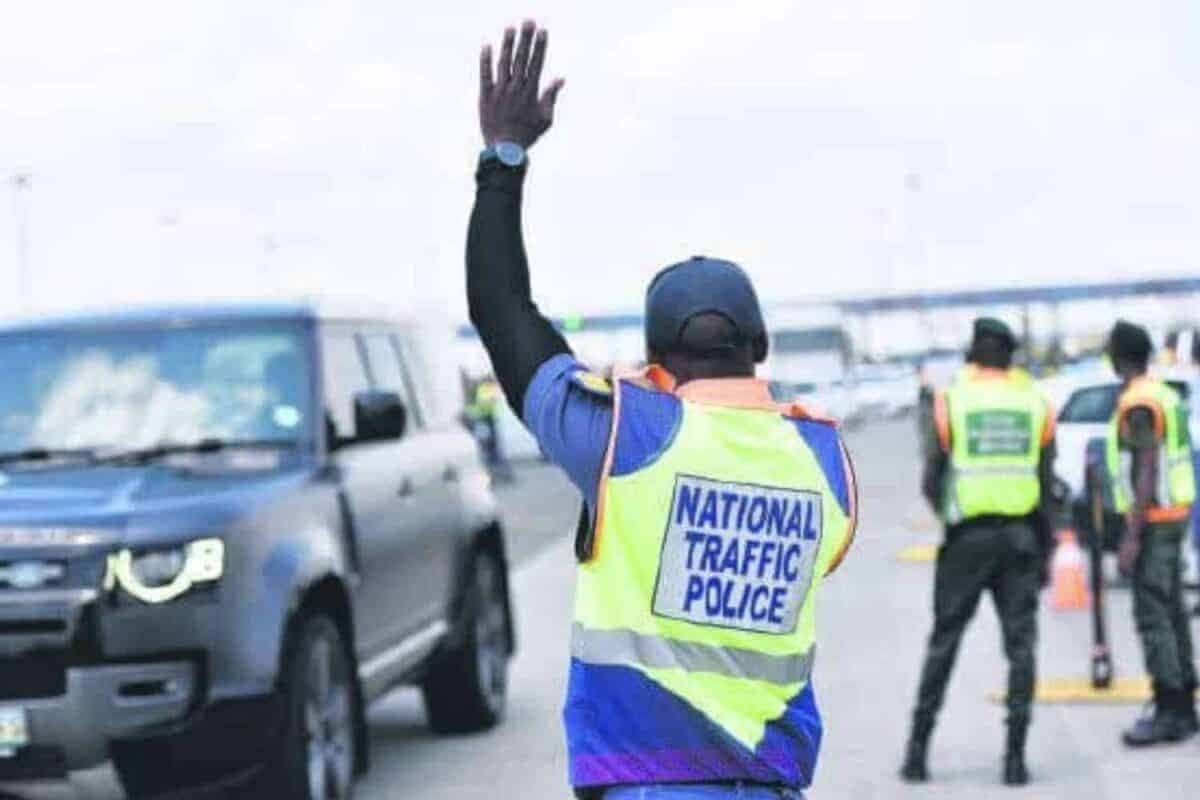
‘We Should Celebrate Aarto’: RTIA Defends Roll-Out After Outa Withdraws Legal Challenge
The Road Traffic Infringement Agency (RTIA) has mounted a firm defence of the Aarto Act, urging South Africans to embrace the system. This comes after the Organisation Undoing Tax Abuse (Outa) withdrew its legal challenge against the controversial traffic law roll-out.
Changan to Reintroduce 'Half Loaf' Commercial Vehicles to South African Market
Chinese automotive brand Changan is making a strategic comeback in South Africa with the reintroduction of its compact 'half loaf' commercial vehicles. The move aims to provide affordable transport solutions for local small businesses amid tough economic conditions.

PowerBall Jackpot Soars: Upcoming Tuesday Draw Crests Massive R100 Million Mark
The upcoming Tuesday PowerBall jackpot has officially crested the R100 million mark, sparking widespread excitement across South Africa. Scheduled for 18 August 2026, the massive draw offers players a life-changing opportunity.

Derick Hougaard’s Mother Speaks Out Against Trolls Over GoFundMe Campaign
The mother of prominent South African figure Derick Hougaard has issued a firm message to online trolls targeting a GoFundMe campaign. The public intervention highlights the emotional toll of digital hostility on the families of public figures.