Derick Hougaard’s Mother Speaks Out Against Trolls Over GoFundMe Campaign
The mother of prominent South African figure Derick Hougaard has issued a firm message to online trolls targeting a GoFundMe campaign. The public intervention highlights the emotional toll of digital hostility on the families of public figures.

On 15 August 2026, reports emerged detailing a protective and firm stance taken by the mother of prominent South African figure Derick Hougaard. According to reports published by local media outlet The South African, Hougaard’s mother has issued a clear and direct message to online trolls who have targeted a GoFundMe campaign associated with her son. The development has quickly gone viral, highlighting the ongoing tension between public figures, their families, and the often harsh realities of social media commentary in South Africa.
The situation centers around a crowdfunding initiative hosted on the popular global platform GoFundMe. While crowdfunding has increasingly become a vital tool for individuals facing unexpected challenges, its use by well-known personalities often attracts intense public scrutiny. In this instance, the fundraising efforts linked to Hougaard became the subject of negative commentary and skepticism from online detractors, prompting his mother to step forward and address the critics directly.
In the South African context, the public lives of sports stars and prominent figures are closely followed by passionate fans. However, this deep public interest can sometimes cross the line into invasive or hostile behaviour when personal difficulties arise. The backlash faced by the Hougaard family is indicative of a broader digital trend where public platforms designed for financial assistance and community support become lightning rods for cynicism and trolling.
While the specific wording of the message delivered by Hougaard's mother has not been fully detailed in the initial reports, the act of a mother publicly defending her child against online hostility has resonated deeply with many South Africans. It highlights the profound emotional toll that digital negativity inflicts not just on the individuals at the center of public attention, but also on their close family members who are left to navigate the fallout of public speculation.
The rise of online trolling in South Africa has sparked ongoing debates about digital ethics and the boundaries of public commentary. Social media platforms offer unprecedented access to the lives of celebrities, but they also lower the barrier for abusive behaviour. When families are forced to defend their loved ones during challenging times, it raises critical questions about the lack of empathy in online spaces and the responsibility of social media users to exercise restraint and respect.
To maintain strict factual accuracy, it is important to note that several key details surrounding this development remain unconfirmed. The exact financial goals of the GoFundMe campaign, the specific circumstances prompting the need for public fundraising, and the current personal status of Derick Hougaard have not been explicitly detailed in the available report. Rather than speculating on these private matters, observers are focusing on the cultural and social implications of the mother's public intervention.
Moving forward, the South African public will likely watch closely to see if the Hougaard family or the campaign organizers release further official statements to clarify the objectives of the fundraiser. This incident serves as a stark reminder of the complexities surrounding public charity, the vulnerability of high-profile families, and the pressing need for a more compassionate approach to online discourse in the digital age.
Reporting record
How this story was produced
This article was AI-generated from the frozen trend evidence and passed deterministic quality and safety gates. No cross-provider evidence review or independent human verification is claimed for this record.
- Byline
- Newstrends AI Newsroom
- First published
- Last material update
- No later material update recorded
- Distinct source identifiers
- 1 retained source identifier
Frozen source links for this publication
Chronology
Story timeline
A generated chronology for orientation; dates and details may require source verification.
Update
Local media reports that Derick Hougaard's mother has addressed online trolls regarding a GoFundMe campaign.
Reader file
Frequently asked questions
01What did Derick Hougaard's mother say to the trolls?
While the exact wording of her message has not been fully detailed in the initial reports, she made it clear that the online hostility and trolling directed at the GoFundMe campaign was unacceptable.
02Why was a GoFundMe campaign set up for Derick Hougaard?
The specific reasons, financial targets, and personal circumstances behind the GoFundMe campaign remain unconfirmed in the current reports.
Keep reading
Related coverage
More published reporting connected to this story.
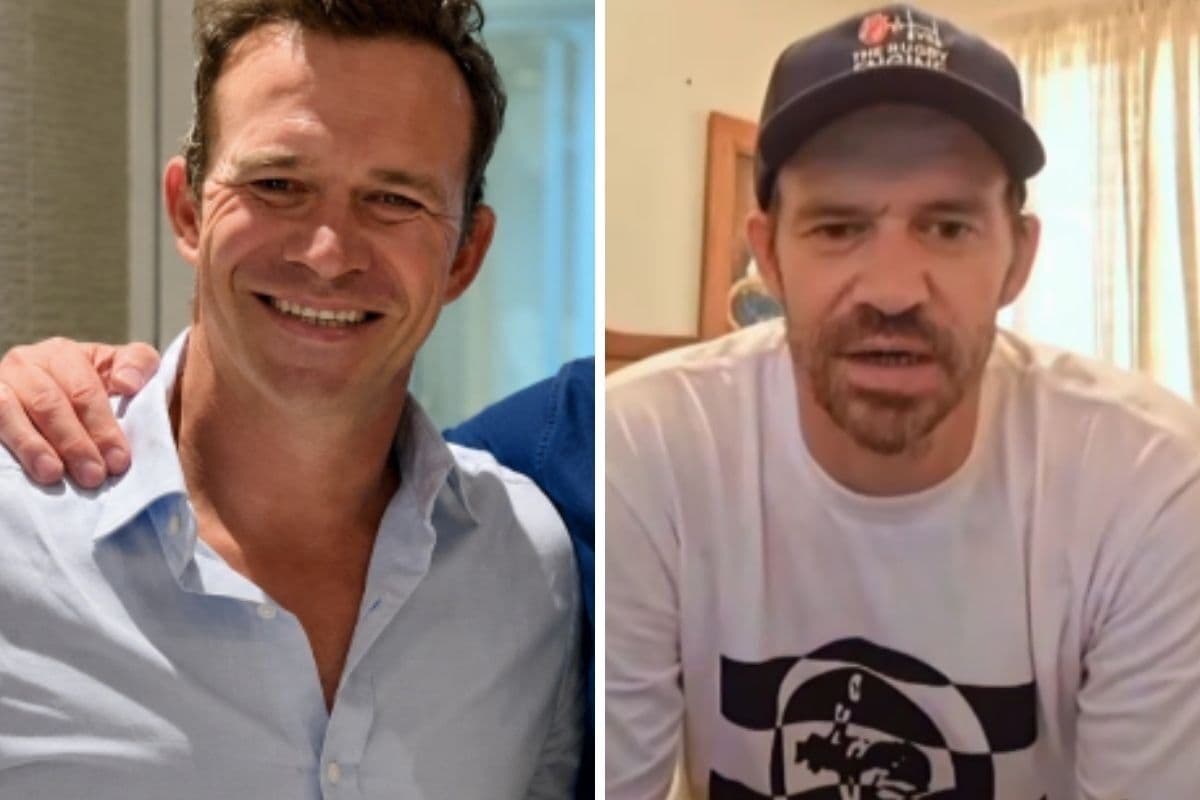
Derick Hougaard Launches New Venture Following GoFundMe Backlash
Reports reveal that Derick Hougaard has started a new business venture following public backlash over a GoFundMe campaign. While specific details of the new hustle remain undisclosed, the move marks a strategic shift toward entrepreneurial independence.

‘I’m in big trouble’: Derick Hougaard Facebook post sparks concern across South Africa
A cryptic Facebook post by former Springbok rugby player Derick Hougaard stating 'I'm in big trouble' has sparked widespread concern. While details remain unconfirmed, the South African public is closely monitoring the situation for official updates.

Derick Hougaard GoFundMe Campaign Reportedly Reaches a Standstill
The online crowdfunding campaign set up for well-known South African figure Derick Hougaard has reportedly ground to a halt. With public contributions stalling, questions remain regarding the campaign's goals and future support.
Resurfaced Video of Smiling Cameron Waldeck-Cooks Sparks Wide Public Interest Online
A resurfaced video clip of a smiling Cameron Waldeck-Cooks has emerged online, drawing significant attention. The video circulates amidst reports of a tragic incident involving St Stithians and an exchange student.

Trevor Noah’s SA tourism ad sparks Community Notes war as critics cite xenophobia
A promotional campaign featuring comedian Trevor Noah has sparked an intense online debate on X, with critics raising concerns of xenophobia and triggering a battle over crowd-sourced Community Notes.