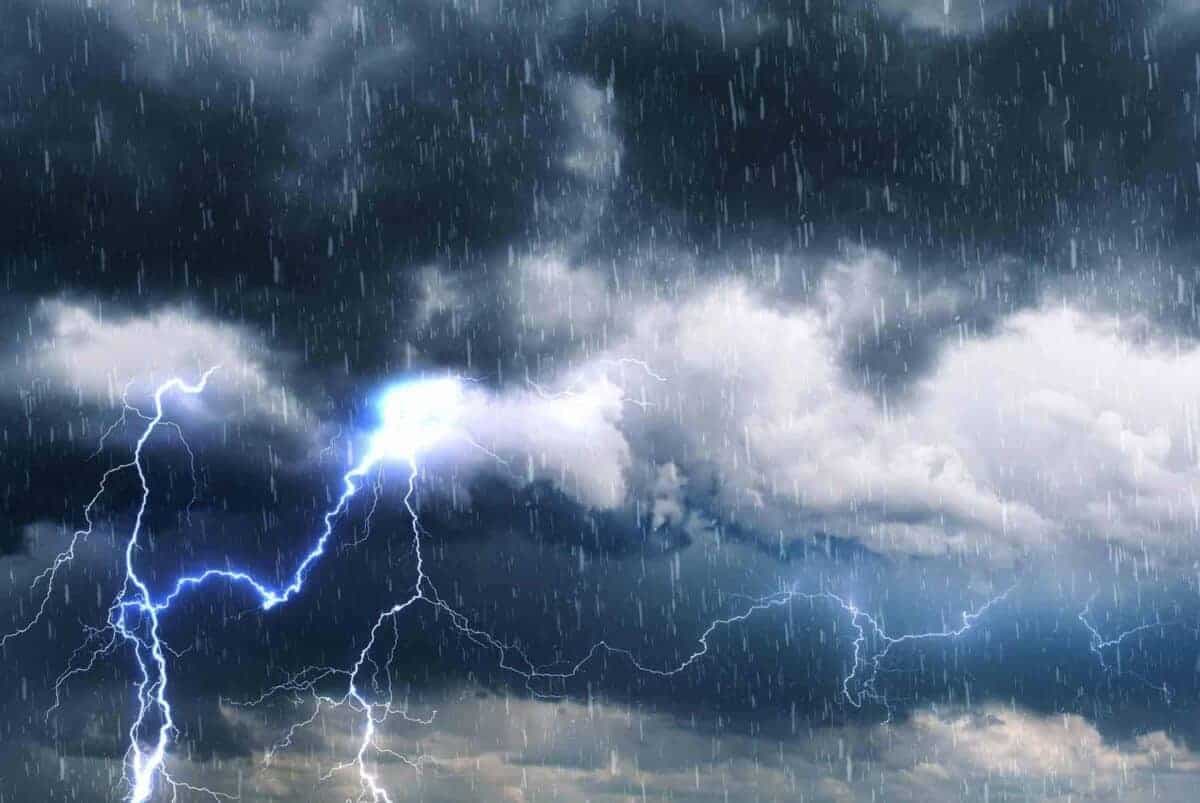
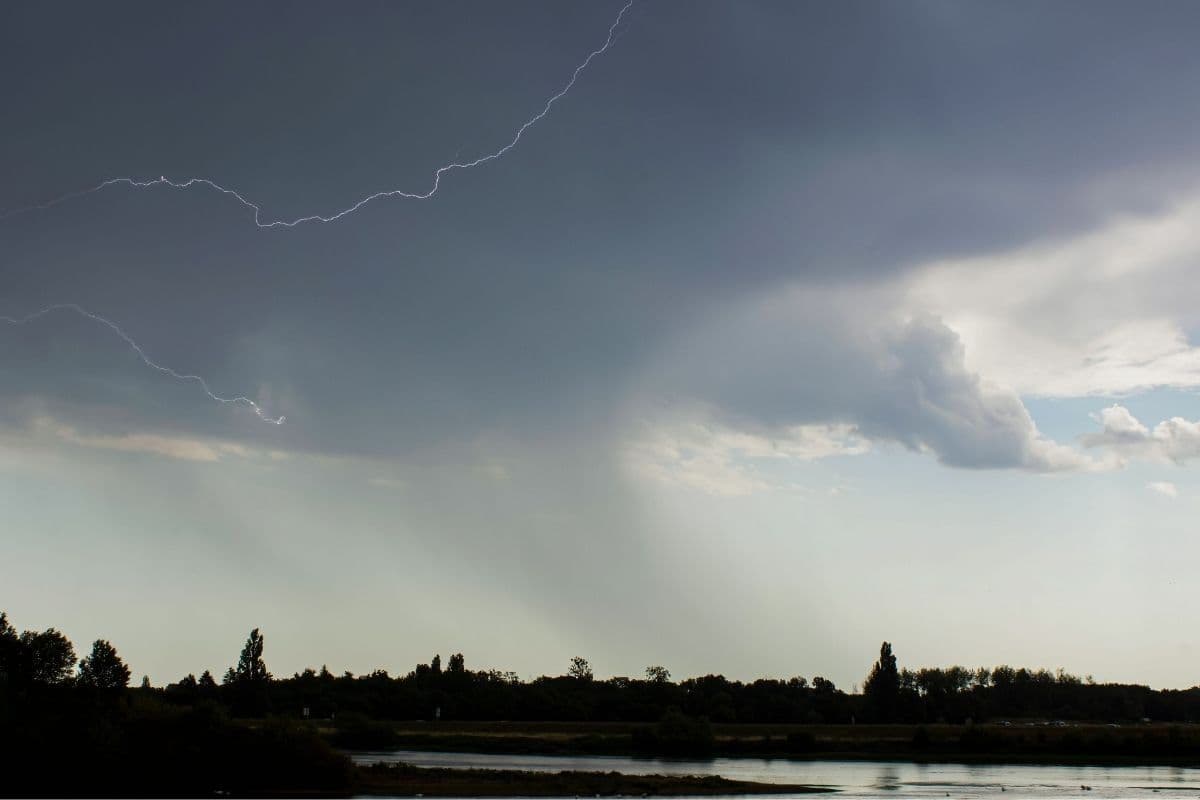
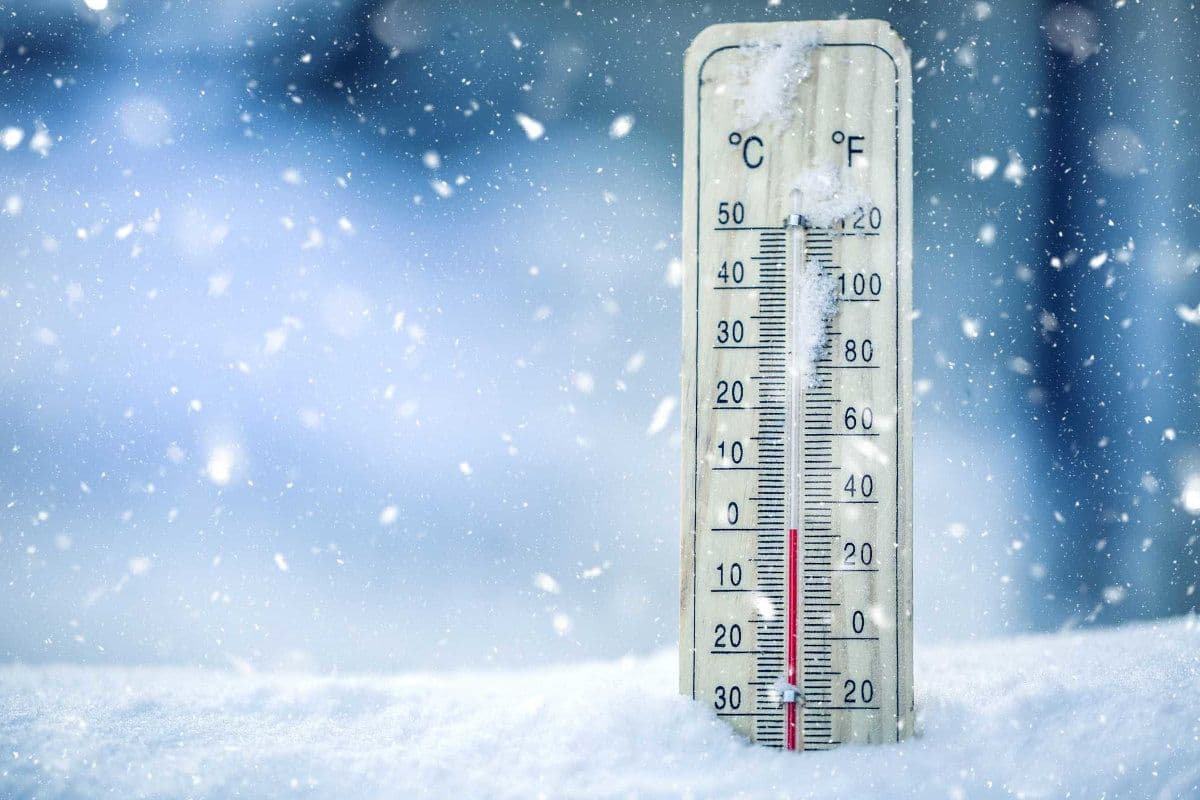
South Africans are being urged to prepare for a sudden drop in temperature as very cold, wet, and windy weather conditions begin to impact various parts of the country. According to reports published on 16 September 2026, a significant weather system has prompted warnings for residents to brace themselves for a harsh chill. The sudden turn in the weather marks a notable shift, requiring caution and preparation across the affected regions.
The weather alert, originally published by Independent Online (IOL) on Wednesday morning, highlights the arrival of these challenging atmospheric conditions. While the initial reports confirm the onset of the cold, wet, and windy spell, specific details regarding which provinces or municipalities will experience the most severe conditions remain limited in the immediate announcement. Historically, such conditions in South Africa often impact coastal areas and high-lying regions first, but official localized forecasts are required to confirm the exact path of the system.
In analyzing the available information, it is clear that the primary hazards identified are low temperatures, rainfall, and strong winds. However, at this stage, the precise temperature ranges, expected rainfall volumes, and wind speeds have not been publicly detailed in the baseline report. It also remains unclear how long this cold snap is expected to persist across the country or whether it will transition into a prolonged spring cold front.
Despite the lack of localized specifics, the combination of cold, wet, and windy weather carries immediate practical implications for South Africans. For motorists, wet roads and strong winds significantly increase the risk of accidents, particularly on major national routes. Commuters are advised to exercise extreme caution, maintain safe following distances, and prepare for potential delays caused by localized flooding or debris on the roads.
Such weather shifts also pose a severe challenge to vulnerable communities, particularly those living in informal settlements where heating and insulation may be inadequate. Additionally, a sudden spike in the use of heating appliances typically increases the load on the national electricity grid, raising concerns about energy stability. Local disaster management teams generally remain on high alert during these transitions to assist those affected by severe exposure or localized flooding.
For the agricultural sector, sudden wet and cold conditions can have a direct impact on crop management and livestock safety. Farmers in high-lying areas are often forced to move vulnerable animals to sheltered pastures to prevent losses from exposure. While the current reports do not specify agricultural warnings, these measures represent standard operational precautions during any significant cold event in South Africa.
As the weather system develops, South Africans are advised to closely monitor updates from the South African Weather Service (SAWS) and local disaster management authorities. These bodies will provide the necessary granular details, including specific warning levels, affected districts, and safety protocols. Staying informed through verified news channels will be crucial as the country navigates this latest seasonal disruption.