How Will South Africa Spend Its R24.7 Billion World Bank Loan?
South Africa has secured a R24.7 billion loan from the World Bank, raising critical questions about how the funds will be allocated. While the massive capital injection is confirmed, the specific spending plans and loan terms remain under public scrutiny.
South Africa has secured a substantial R24.7 billion loan from the World Bank, sparking widespread discussion across the country's financial and public sectors. The announcement, which came to light on 21 July 2026, marks another major financial engagement between the international lender and the South African government. As the news circulates, the primary question on the minds of citizens, economists, and policymakers is how this massive sum of money will be allocated and spent.
The acquisition of a R24.7 billion loan is a significant event for South Africa’s national balance sheet. In a developing economy facing complex fiscal challenges, an injection of this scale has the potential to drive meaningful development. However, the exact details regarding the deployment of these funds remain limited. The central query—how South Africa will spend its R24.7 billion World Bank loan—highlights a critical need for transparency and clear communication from state authorities.
Based on the currently available information, the transaction is officially recognised as a R24.7 billion agreement with the World Bank. Beyond this headline figure, the specific financial terms, such as the interest rates, grace periods, and maturity dates, have not been fully publicised. In the context of international finance, World Bank loans are typically structured either as development policy loans to support systemic reforms or as investment project financing dedicated to specific infrastructure or social initiatives. Which of these paths this loan will take remains to be officially confirmed.
The lack of immediate, granular detail on the spending plan means that several possibilities are being considered by observers. Historically, South Africa has engaged with international financial institutions for funding directed at energy sector reforms, climate transition initiatives, and municipal infrastructure development. Whether the R24.7 billion will be absorbed into the general national budget to manage the country's deficit, or if it is strictly ring-fenced for critical sectors like logistics, water infrastructure, or electricity, is a crucial detail that has yet to be clearly established.
For ordinary South African citizens, the management of public debt is a matter of intense concern. The country’s economic landscape is heavily influenced by the performance of state-owned enterprises and the efficiency of public service delivery. Consequently, a loan of R24.7 billion represents not just an opportunity for development, but also a long-term financial obligation that future generations of taxpayers will have to service. This reality underscores the vital importance of rigorous public oversight and clear accounting of where and how the money is used.
Moving forward, the responsibility for managing and detailing this loan lies squarely with the National Treasury and relevant government departments. In South Africa's legislative framework, major international loans are subject to oversight by Parliament. Financial analysts and civil society groups will be monitoring upcoming parliamentary briefings and National Treasury publications closely to see when the formal spending framework for the R24.7 billion loan will be tabled.
In conclusion, while the securing of the R24.7 billion World Bank loan is a confirmed and highly significant development, the precise roadmap for its expenditure is still unfolding. What is clear is that the funding comes at a critical juncture for the South African economy. To ensure public trust, the government will need to provide comprehensive updates detailing the specific projects, timelines, and accountability measures associated with this multi-billion-rand financial package.
Reporting record
How this story was produced
This article was AI-generated from the frozen trend evidence and passed deterministic quality and safety gates. No cross-provider evidence review or independent human verification is claimed for this record.
- Byline
- Newstrends AI Newsroom
- First published
- Last material update
- No later material update recorded
- Distinct source identifiers
- 1 retained source identifier
Frozen source links for this publication
Chronology
Story timeline
A generated chronology for orientation; dates and details may require source verification.
Update
Reports emerge detailing South Africa's R24.7 billion loan from the World Bank and raising questions over its allocation.
Reader file
Frequently asked questions
01How much is the World Bank loan to South Africa?
The loan is valued at R24.7 billion.
02When was the R24.7 billion World Bank loan reported?
The loan agreement and spending questions were reported on 21 July 2026.
03What are the exact spending details of the loan?
The precise spending breakdown and specific terms of the loan have not yet been fully detailed by the government, leaving the exact allocation of the funds unclear.
Keep reading
Related coverage
More published reporting connected to this story.
South African Rand Projected to Potentially Touch R18 to the US Dollar Next Year
New financial projections indicate the South African rand could hit the R18 mark against the US dollar next year. While the specific economic drivers remain unspecified, the forecast highlights potential pressure on local consumers and businesses.
The Hidden Cost of Debt is Hitting South African Homes Harder Than Ever
A rising tide of hidden borrowing costs is putting unprecedented pressure on South African household budgets. As secondary fees and insurance premiums compound, consumers face a growing financial squeeze.
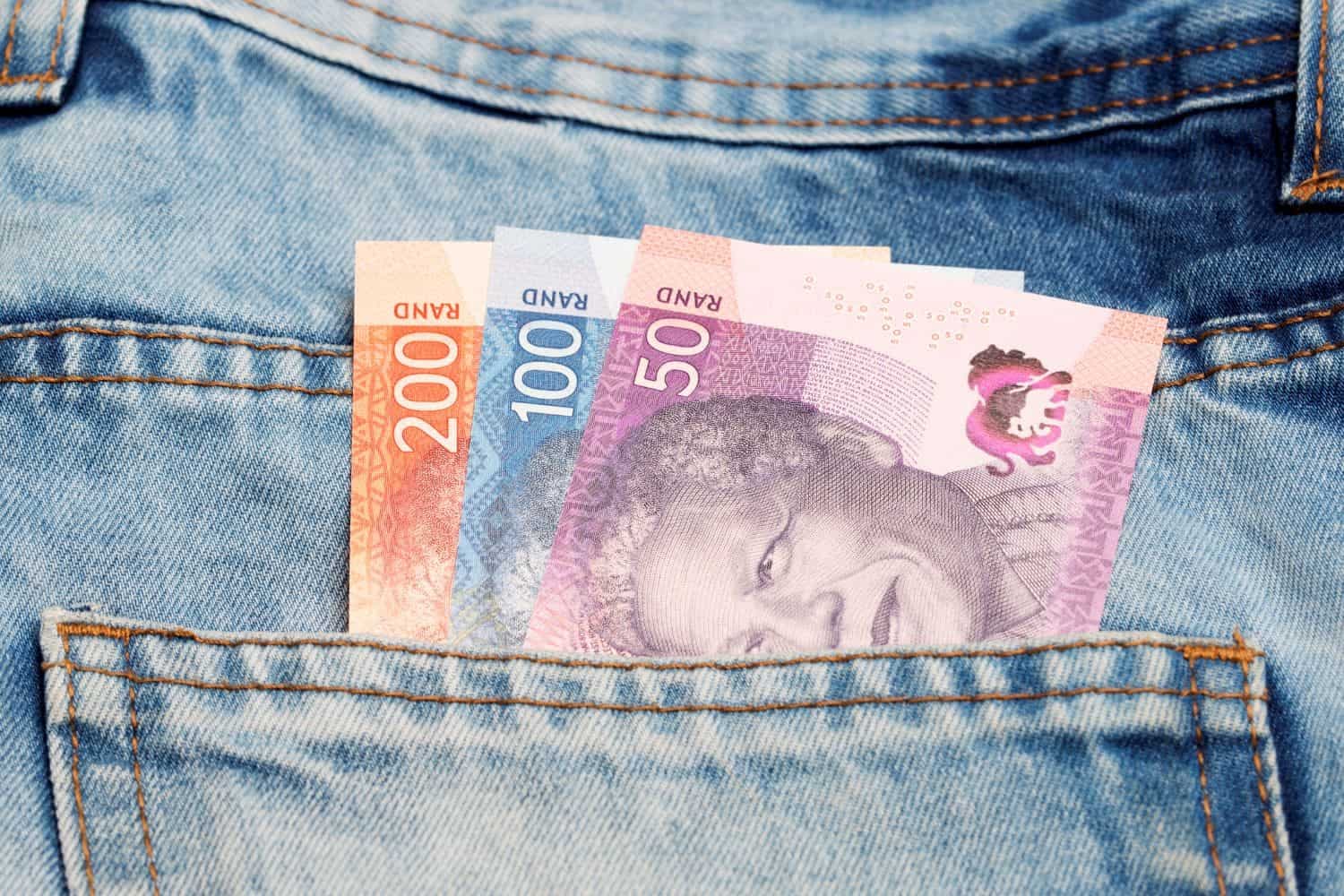
South Africans Urged to Exercise Caution with Tax Refunds: Check These Three Things First
As tax season progresses, discussions are trending among South African financial circles, advising individuals to carefully consider their tax refunds. A key piece of advice circulating highlights the importance of reviewing three specific aspects before deciding how to spend these funds. This guidance underscores a growing emphasis on prudent financial management in the country.
Standard Bank Ordered to Compensate Woman R5,000 for Unfair Treatment in Car Finance Dispute
Standard Bank has been ordered to compensate a woman R5,000 following a dispute over car finance, citing unfair treatment. This development, reported on July 19, 2026, highlights the ongoing scrutiny of financial institutions' conduct in South Africa's consumer credit market and the mechanisms available for consumer protection.
Report Indicates Domestic Workers and Checkers Sixty60 Drivers Are Fleeing South Africa
A recent report by BusinessTech.co.za suggests a developing trend of domestic workers and Checkers Sixty60 drivers departing South Africa. The article, captured on July 18, 2026, highlights a concerning movement within key South African labour sectors, though specific reasons or scale remain unquantified in the available data.