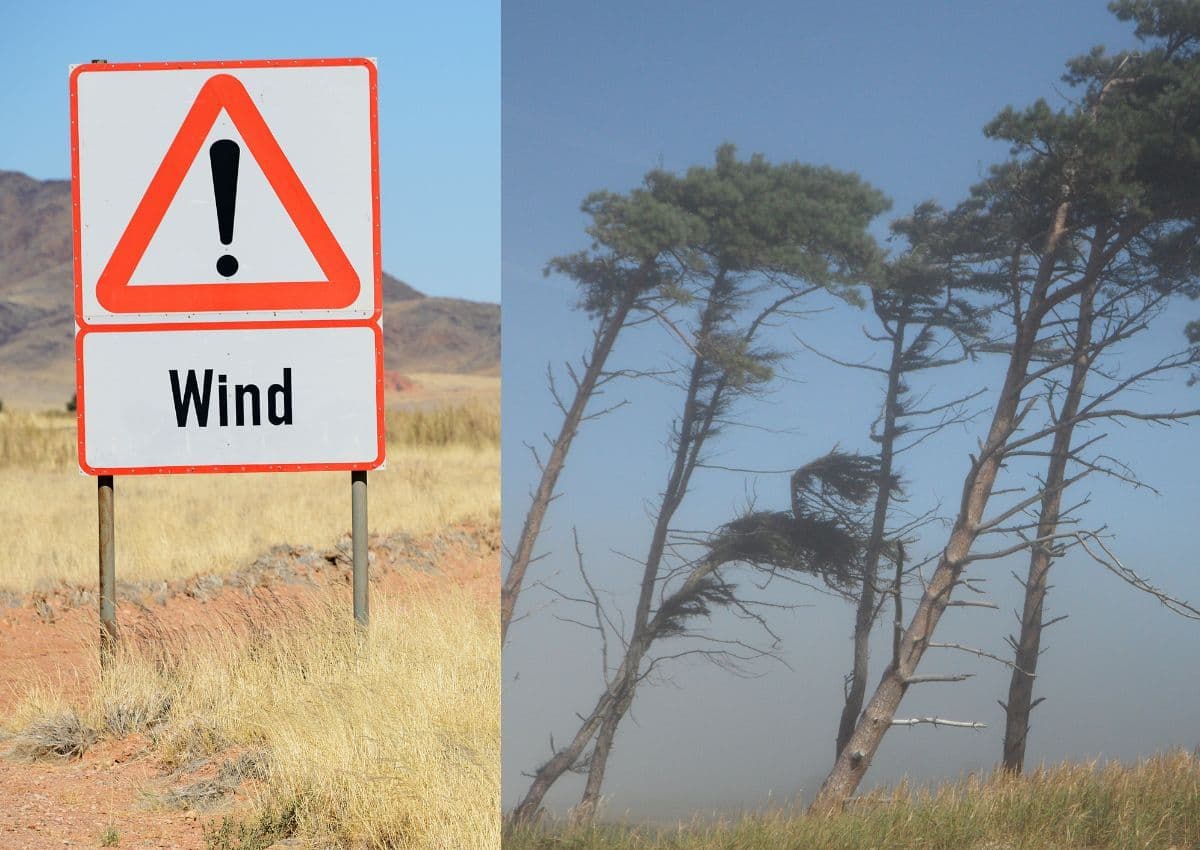
South Africans planning their activities for the upcoming long weekend have been urged to prepare for a significant shift in weather patterns. A severe weather alert has been issued, warning of cold, wet, and windy conditions across parts of the country. The alert, published on Thursday, 6 August 2026, comes at a critical time as many residents prepare to travel or engage in outdoor events over the holiday period.
The timing of this weather system is particularly notable for South African households. August in South Africa often serves as a transitional period between the harsh winter months and early spring, frequently bringing unpredictable and volatile weather systems. Because this alert coincides with a scheduled long weekend—traditionally a time for increased domestic travel and outdoor gatherings—the potential impact on public safety and transport is heightened.
According to the initial reports, the incoming weather system will bring a combination of low temperatures, rainfall, and strong winds. However, at this stage, specific details regarding which provinces will be hardest hit remain unconfirmed. In South Africa, severe winter weather systems of this nature typically affect coastal regions such as the Western Cape and Eastern Cape first, before moving inland towards Gauteng, the Free State, and KwaZulu-Natal. Residents are advised to monitor local updates to see how their specific municipalities will be affected.
For motorists planning to hit the roads this long weekend, the combination of wet roads and high winds presents serious driving hazards. Major national routes, which usually experience high traffic volumes during long weekends, could become treacherous. Transport authorities generally advise drivers to reduce speed, increase following distances, and keep their headlights on to maintain visibility in wet and misty conditions. Those towing caravans or driving high-sided vehicles should be especially cautious of strong crosswinds.
In addition to travel disruptions, the anticipated cold and wet conditions have practical implications for households. With temperatures expected to drop, demand on the national electricity grid often increases as people seek heating solutions. Localised power outages or municipal infrastructure challenges can sometimes occur during severe wind and rain events, making it advisable for households to secure outdoor items and ensure they have alternative lighting and heating sources prepared.
As the long weekend approaches, the public is advised to watch for official updates from meteorological authorities, such as the South African Weather Service (SAWS). These updates are expected to provide more precise details, including specific temperature forecasts, estimated rainfall figures, and any formal warning levels or disaster management advisories. Staying informed through reputable news sources and official channels will be crucial for making safe plans.
While the full extent of the cold front is still unfolding, taking early precautions is the safest course of action. Whether you are planning a quiet long weekend at home or travelling to visit family, keeping an eye on the changing weather conditions will ensure that the cold, wet, and windy weather does not catch you off guard.