Severe Storms Threaten Eastern KwaZulu-Natal With Serious Flooding Risk
Severe storm activity is raising significant flooding concerns across eastern KwaZulu-Natal, according to weather reports published on 26 October 2026. Residents in affected areas are urged to remain alert as conditions develop. The full extent of the threat and any official warnings remain subject to further updates from meteorological authorities.

Severe storms are bearing down on eastern KwaZulu-Natal, raising the risk of flooding across a region that has a well-documented history of vulnerability to extreme weather events. Reports emerging on 26 October 2026 indicate that conditions in the eastern parts of the province have deteriorated to the point where flooding is considered a credible and serious threat. Residents in low-lying and coastal communities are particularly encouraged to stay informed and take precautionary measures.
KwaZulu-Natal occupies a stretch of South Africa's eastern seaboard that is climatically prone to intense convective storms, particularly during the summer months. The province's topography — characterised by steep coastal escarpments, river valleys, and densely populated urban corridors — means that heavy rainfall can translate rapidly into flash flooding. Eastern KZN, which includes areas that drain toward the Indian Ocean, is especially susceptible when storm systems stall or intensify over the region.
The specific areas within eastern KwaZulu-Natal that are most at risk have not been detailed in the available information at this stage. What is known is that the storm activity is sufficiently severe to be flagged as a flooding risk, suggesting that meteorological services or weather tracking organisations have assessed the conditions as above the ordinary threshold for concern. Precise details about the storm's origin, trajectory, and expected duration remain unclear based on currently available reporting.
Flooding in KwaZulu-Natal carries consequences that go well beyond inconvenience. The province experienced some of South Africa's most devastating flood events in recent years, leaving communities acutely aware of how quickly rising water levels can destroy homes, infrastructure, and livelihoods. Roads and bridges are frequently among the first casualties, cutting off access to rural communities and hampering emergency response. For residents who live near rivers or in informal settlements on unstable ground, the threat level escalates considerably during severe storm events.
Authorities typically respond to elevated flooding risk by issuing formal warnings through the South African Weather Service, activating disaster management protocols at a municipal and provincial level, and deploying emergency services to at-risk areas. Whether any such formal mechanisms have been activated in response to the current storm threat in eastern KZN was not confirmed in the information available at the time of reporting. Readers are advised to monitor official government and weather service channels for any formal advisories or emergency instructions.
For ordinary residents, the practical guidance during periods of elevated flooding risk follows a familiar pattern: avoid crossing flooded roads or low-water bridges regardless of how shallow the water appears, secure loose outdoor items, keep emergency contacts handy, and ensure that household members — especially children and the elderly — are in safe locations away from rivers, stormwater channels, and other drainage infrastructure. Those with livestock or property in flood-prone zones should make early preparations rather than waiting for conditions to worsen.
The timing of this weather event is notable. Late October falls within the transitional period leading into KwaZulu-Natal's summer rainy season, when the province typically begins receiving more sustained and intense rainfall. Storm systems during this period can be unpredictable, intensifying quickly and dropping large volumes of rain in short windows. This makes early awareness and preparedness all the more critical, as communities may have less time to react than they would during a slow-moving weather system.
It is important to note that the full picture of this weather event is still developing. The available reporting confirms that severe storms are raising flooding risks in eastern KZN as of 26 October 2026, but detailed information about affected municipalities, the severity of any damage, official warning levels, or casualty reports has not been confirmed at this stage. As more information becomes available through official weather services and local authorities, a clearer assessment of the situation should emerge.
Residents throughout KwaZulu-Natal — and particularly those in the eastern coastal and inland areas currently under threat — should treat this alert seriously and remain in contact with local authorities and community networks. South Africa's experience with flood disasters has demonstrated repeatedly that early action and community awareness save lives. The situation bears close monitoring over the coming hours and days as the storm system runs its course.
Reporting record
How this story was produced
This article was AI-generated from the frozen trend evidence and passed deterministic quality and safety gates. No cross-provider evidence review or independent human verification is claimed for this record.
- Byline
- Newstrends AI Newsroom
- First published
- Last material update
- No later material update recorded
- Distinct source identifiers
- 1 retained source identifier
Frozen source links for this publication
Chronology
Story timeline
A generated chronology for orientation; dates and details may require source verification.
Update
Reports emerge that severe storms are raising a significant flooding risk in eastern KwaZulu-Natal.
Update
Weather alert published at approximately 15:17 UTC, flagging storm conditions across the eastern KZN region.
Reader file
Frequently asked questions
01Which areas in KwaZulu-Natal are at risk of flooding?
Reports indicate that eastern KwaZulu-Natal is facing an elevated flooding risk due to severe storms as of 26 October 2026. Specific municipalities or towns at greatest risk have not been confirmed in available reporting.
02What should residents do during a flooding risk in KZN?
Residents are advised to avoid flooded roads and low-water bridges, secure outdoor property, monitor official channels such as the South African Weather Service, and move away from rivers and stormwater infrastructure.
03Has a formal weather warning been issued for eastern KZN?
The available information confirms that severe storm conditions are raising flooding risks, but whether formal official warnings have been issued by the South African Weather Service or provincial disaster management authorities has not been confirmed at this stage.
04Why is KwaZulu-Natal particularly vulnerable to flooding?
KwaZulu-Natal's coastal escarpments, river valleys, and densely populated areas make it highly susceptible to flash flooding when heavy rainfall occurs, especially in eastern parts of the province that drain toward the Indian Ocean.
Keep reading
Related coverage
More published reporting connected to this story.
Severe Storms, Heavy Rain and Sweltering Heat to Strike South Africa This Monday
South Africa is bracing for a volatile mix of weather conditions on Monday, 19 October 2026, with severe storms, heavy rainfall and extreme heat forecast across the country. The combination of hazardous weather patterns poses risks for commuters, residents and infrastructure alike. Authorities and residents are urged to stay informed and take precautions.
Severe storms and flooding hit KwaZulu-Natal and Eastern Cape as Mpumalanga and Limpopo bake in extreme heat
South Africa is experiencing a sharp weather contrast on 27 October 2026, with severe storms and flooding threatening KwaZulu-Natal and the Eastern Cape while Mpumalanga and Limpopo endure extreme heat conditions. Residents across all four affected provinces have been placed on alert. The split weather pattern highlights the complexity of spring conditions across the country.

Durban Weather Sparks Online Search Surge as South Africans Seek Conditions Update
Searches for Durban's weather conditions have spiked on Google Trends in South Africa, with more than 500 queries recorded in a short window. The surge signals heightened public interest in what is happening meteorologically along the KwaZulu-Natal coast. While specific weather event details are not confirmed in the available data, the trend points to conditions significant enough to prompt widespread public concern.
Durban Weather Surges as Top Search Trend Across South Africa
Searches for Durban's weather conditions have spiked sharply among South African internet users, registering more than 500 searches and trending nationally as of early October 2026. The surge in interest points to heightened public attention on conditions in the eThekwini region, though the precise weather event or concern driving the trend has not been confirmed. Here is what is known — and what remains unclear.
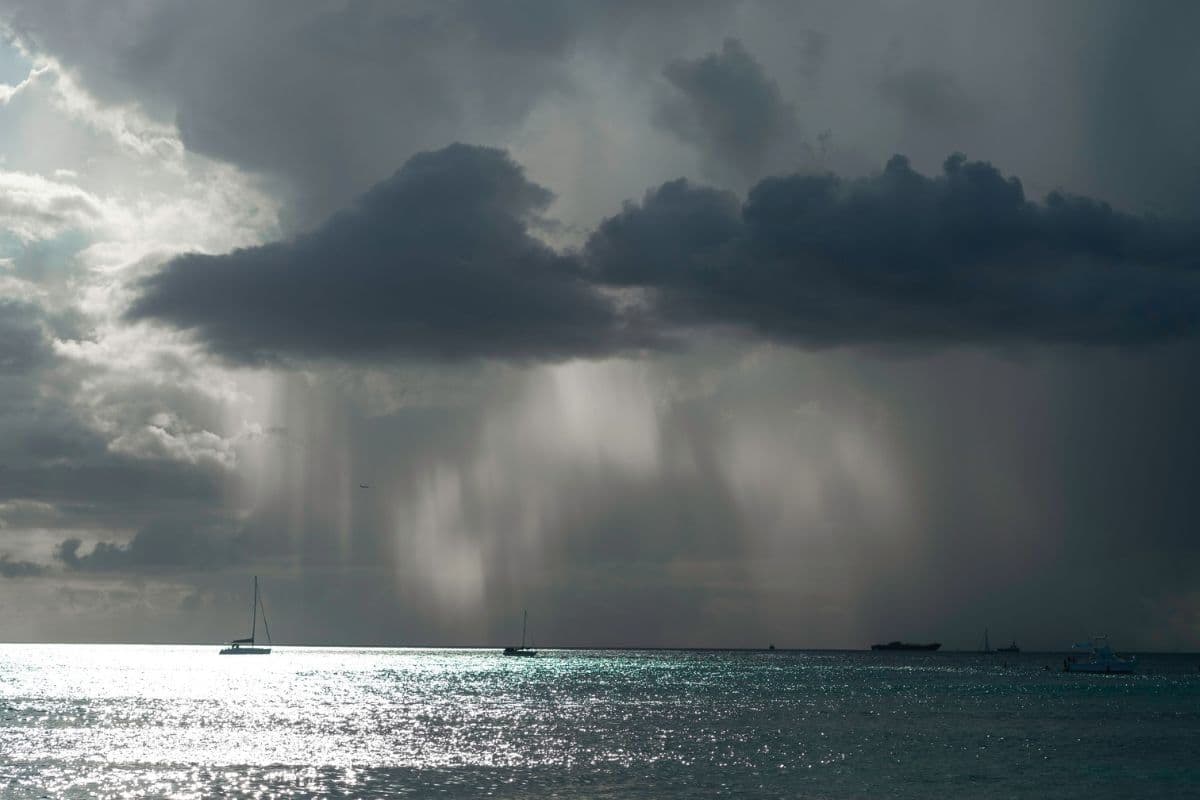
KwaZulu-Natal Braces for Afternoon Thundershowers and Fresh Winds This Saturday
KwaZulu-Natal residents are being warned to expect afternoon thundershowers and fresh winds on Saturday, 25 October 2026. The weather system is set to bring unsettled conditions across the province, prompting South Africans in the region to plan their outdoor activities accordingly.