Severe Storms, Heavy Rain and Sweltering Heat to Strike South Africa This Monday
South Africa is bracing for a volatile mix of weather conditions on Monday, 19 October 2026, with severe storms, heavy rainfall and extreme heat forecast across the country. The combination of hazardous weather patterns poses risks for commuters, residents and infrastructure alike. Authorities and residents are urged to stay informed and take precautions.
South Africans are waking up on Monday, 19 October 2026, to a weather system that is anything but ordinary. The country is facing a dangerous combination of severe thunderstorms, heavy rain and sweltering heat, making this one of the more challenging weather days of the spring season so far. The simultaneous presence of these contrasting yet equally hazardous conditions underscores the increasingly complex weather patterns being experienced across the region.
The trend, first captured in the early hours of Monday morning, indicates that multiple weather phenomena are expected to affect different parts of South Africa at the same time. While some areas are likely to be drenched by intense downpours and battered by severe storms, others are set to experience uncomfortably high temperatures. This kind of split weather scenario is not uncommon during the transitional spring months in South Africa, when cold fronts and heat systems can collide to produce dramatic atmospheric conditions.
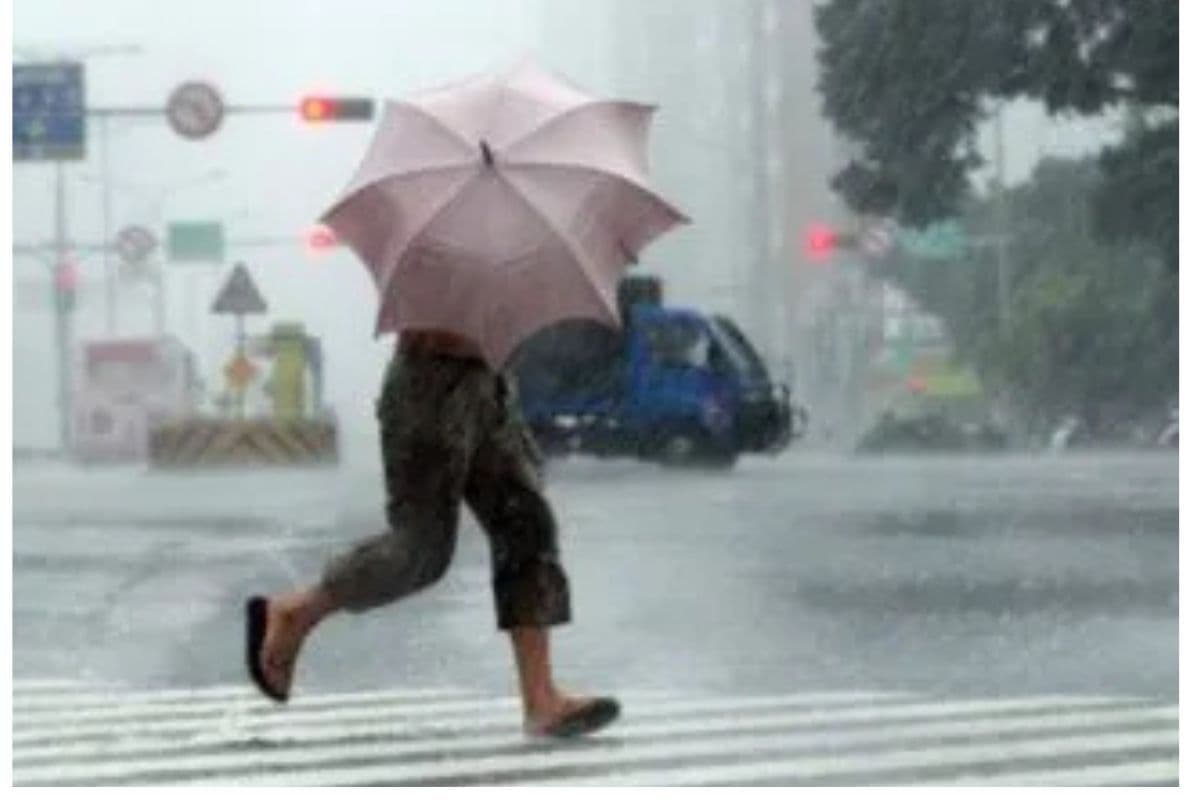
Severe storms carry with them a range of associated dangers, including strong winds, lightning strikes, flash flooding and hail. For residents in storm-affected regions, these conditions can cause rapid damage to property, disrupt electricity supply and make road travel treacherous. Flash floods in particular are a persistent hazard during periods of heavy rain, as stormwater infrastructure in many South African towns and cities can be quickly overwhelmed. Motorists are generally advised to avoid low-lying roads and flooded crossings, as even shallow moving water can sweep a vehicle off course.
At the same time, the sweltering heat forecast for other parts of the country brings its own set of serious concerns. High temperatures during spring can contribute to heat exhaustion and dehydration, particularly for vulnerable groups such as the elderly, young children and outdoor workers. The risk of veld fires also increases significantly during periods of extreme heat combined with dry and windy conditions, which is a perennial threat across South Africa's interior and coastal scrublands at this time of year.
The exact regions most severely affected by each weather system have not been detailed in the available reporting, and it remains unclear at this stage precisely which provinces face the highest risk of storms versus extreme heat. South Africans across the country are advised to consult the South African Weather Service for area-specific warnings and updates throughout the day. Local authorities in municipalities prone to flooding or fire are likely to be on heightened alert as Monday's conditions develop.
The timing of this weather event is significant from a broader seasonal perspective. October marks the height of the spring storm season in many parts of South Africa, particularly in Gauteng, the Free State and parts of KwaZulu-Natal, where afternoon thunderstorms are a routine occurrence. However, when those storms intensify to severe levels, as appears to be the case today, the potential for widespread disruption rises considerably. Infrastructure that has already been tested by prior weather events may be more vulnerable to further strain.
For commuters and workers planning to travel on Monday, conditions could make the morning and afternoon rush hours particularly hazardous. Reduced visibility during heavy rain, waterlogged roads and the ever-present danger of fallen trees or debris mean that extra caution is warranted. Public transport users in affected areas may also experience delays or route changes as operators respond to road conditions.
What remains to be seen is how quickly Monday's weather systems will move through the country and whether any formal warnings or disaster management responses will be activated by provincial or local authorities. South Africans are encouraged to keep an eye on official weather bulletins and emergency alerts throughout the day, avoid unnecessary travel during peak storm periods and check on neighbours or family members who may be at greater risk from the heat or storm conditions. As spring deepens, further volatile weather days are likely before more stable summer patterns establish themselves.
Reporting record
How this story was produced
This article was AI-generated from the frozen trend evidence and passed deterministic quality and safety gates. No cross-provider evidence review or independent human verification is claimed for this record.
- Byline
- Newstrends AI Newsroom
- First published
- Last material update
- No later material update recorded
- Distinct source identifiers
- 1 retained source identifier
Frozen source links for this publication
Chronology
Story timeline
A generated chronology for orientation; dates and details may require source verification.
Update
Severe storms, heavy rain and sweltering heat forecast to affect South Africa simultaneously on Monday.
Update
Weather trend data captured at approximately 03:50 UTC, signalling hazardous conditions for the day ahead.
Reader file
Frequently asked questions
01What weather conditions are expected across South Africa on Monday, 19 October 2026?
South Africa is forecast to experience a combination of severe thunderstorms, heavy rain and sweltering heat on Monday, 19 October 2026, with different regions likely affected by different conditions simultaneously.
02Which parts of South Africa are most at risk from Monday's weather?
The specific provinces most affected have not been detailed in available reports. Residents are advised to consult the South African Weather Service for area-specific warnings and updates.
03What precautions should South Africans take during severe storms and heavy rain?
Motorists should avoid flooded roads and low-lying crossings, stay indoors during lightning, and monitor official weather alerts. Vulnerable individuals should take extra care in areas experiencing extreme heat.
04Is severe spring weather common in South Africa in October?
Yes, October is typically within the peak spring storm season in much of South Africa, particularly in Gauteng, the Free State and KwaZulu-Natal, where afternoon thunderstorms are common.
Keep reading
Related coverage
More published reporting connected to this story.

Weather Alert: Rain and Fresh Winds Set to Dominate One South African Province
Early weather reports indicate that a single South African province is set to experience dominant rain and fresh winds. While the specific province and severity remain unconfirmed, residents are advised to prepare for transitional spring weather.
Weather Alert: Heavy Rain Expected to Batter Six South African Provinces
A major weather alert indicates that six South African provinces are expected to experience heavy rainfall. While the specific provinces have not yet been officially detailed, residents nationwide are urged to prepare for potential localized flooding and transport disruptions.

Weather Warning: South Africans Urged to Brace for Gusty Winds and Thundershowers
A weather advisory issued on 4 September 2026 warns of incoming gusty winds and thundershowers across South Africa. While the exact provinces affected remain unspecified, residents are urged to take general precautions as spring weather transitions begin.

Severe Weather Warning: Heavy Snow, Flooding Rain and Damaging Winds Set to Disrupt Parts of South Africa
A severe winter weather system is expected to batter parts of South Africa on Tuesday, 11 August 2026. Forecasters warn of heavy snow, flooding rains, and damaging winds that could cause widespread disruptions across several provinces.

Cape Town Weather Searches Surge as South Africans Check Conditions Ahead of the Week
Search interest in Cape Town's weather has spiked sharply, with Google Trends recording more than 200 searches for 'weather today cape town' and over 2 000 searches for 'weather today' from South Africa on 19 October 2026. The surge points to heightened public curiosity about current and forecast conditions in the Mother City. What is driving the interest and what it means for Capetonians remains worth examining.