Rassie Erasmus Claps Back at Dave Rennie Over Scrum Complaints in Latest Rugby Media Clash
South African rugby icon Rassie Erasmus has reportedly hit back at international coach Dave Rennie over complaints regarding scrumming tactics. The viral exchange, reported by local media on 1 September 2026, highlights the ongoing psychological warfare between the coaching staffs.
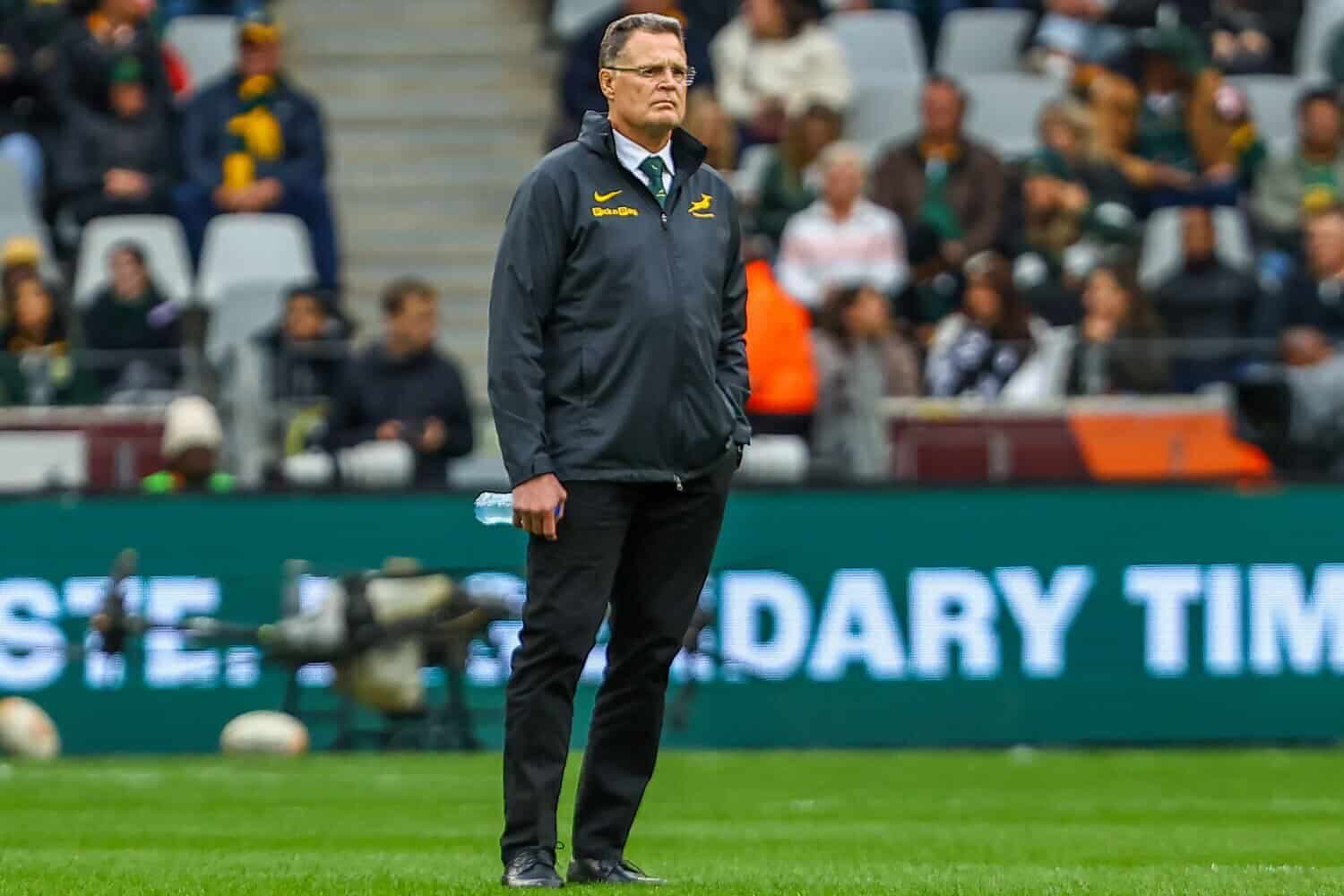
A fresh round of psychological warfare has erupted in the rugby world, with South Africa’s Rassie Erasmus reportedly hitting back at coach Dave Rennie over complaints regarding scrumming. According to reports published by local media outlet The Citizen on 1 September 2026, the latest viral exchange highlights an ongoing tension between the two high-profile rugby figures. The report, headlined as a "clap back" by Erasmus against Rennie's "scrum whine," has quickly captured the attention of South African rugby enthusiasts who are accustomed to Erasmus's robust and direct style of defending the local game.
While the report has rapidly gained traction online, specific details regarding the exact nature of the exchange, including direct quotes from either Erasmus or Rennie, have not been fully detailed in the initial viral reports. It remains unclear whether this latest disagreement took place during a formal press conference, via social media channels, or through official team communications. What is certain, however, is that any public disagreement involving Erasmus and scrumming tactics immediately becomes a major talking point in South Africa, where set-piece dominance is regarded as a national rugby cornerstone.
To understand the significance of this development, one must look at the profiles of the individuals involved. Rassie Erasmus, celebrated for his tactical genius and his role in guiding the Springboks to global success, is well-known for using public platforms to address criticisms directed at South African rugby. On the other hand, Dave Rennie is an experienced international coach who has frequently found his teams going head-to-head with South Africa's formidable forward pack. Disagreements over scrum officiating and safety have historically been a flashpoint between South African teams and their international rivals.
The term "scrum whine" used in the reports points to a familiar pattern in modern rugby. Opposing coaches often raise concerns about the legality or safety of the South African scrumming technique when faced with the sheer power of the local pack. For South African fans, these complaints are often viewed as attempts to influence referees and detract from the physical superiority of the Springbok forwards. Erasmus's decision to "clap back" suggests he is once again stepping in to shield his players and assert the legitimacy of their set-piece play.
Currently, local rugby governing bodies have not released official statements to clarify the context of the dispute. The lack of immediate, formal transcripts means that the public is left to piece together the exchange from media reports. In an era where rugby matches are won as much in the media room as they are on the field, these verbal skirmishes serve as crucial psychological markers. Analysts note that Erasmus has masterfully used these public platforms in the past to shift pressure away from his squad and onto opposing coaching staffs and match officials.
The practical implications of this latest spat could be felt in upcoming fixtures. Public debates over scrum rules and officiating tend to put intense pressure on referees, who must navigate the heavily scrutinized set-piece battles under the watchful eyes of both coaching boxes. By challenging Rennie's complaints publicly, Erasmus ensures that any refereeing decisions in future encounters will be heavily analysed, potentially neutralising any tactical advantage Rennie hoped to gain by raising the issue in the first place.
As the story continues to develop, South African rugby supporters will be watching closely to see if Erasmus releases any of his trademark video analyses or social media posts to further explain his stance. Historically, Erasmus has not shied away from using video evidence to support his views on scrumming and officiating. Whether this "clap back" escalates into a more formal dispute or remains a brief media flare-up will depend on how Rennie and his coaching team choose to respond to the South African's counter-assertions.
Ultimately, this latest episode reinforces the intense rivalry and high stakes that define international rugby. For South African fans, seeing Erasmus stand up against external criticisms of the country's rugby style is a familiar and often welcome sight. As the rugby public awaits further details and potential official statements from both camps, the debate over scrumming tactics and coaching mind games continues to keep the local rugby community highly engaged.
Reporting record
How this story was produced
This article was AI-generated from the frozen trend evidence and passed deterministic quality and safety gates. No cross-provider evidence review or independent human verification is claimed for this record.
- Byline
- Newstrends AI Newsroom
- First published
- Last material update
- No later material update recorded
- Distinct source identifiers
- 1 retained source identifier
Frozen source links for this publication
Chronology
Story timeline
A generated chronology for orientation; dates and details may require source verification.
Update
Media reports emerge detailing Rassie Erasmus's public response to Dave Rennie's scrum complaints.
Reader file
Frequently asked questions
01What is the latest dispute between Rassie Erasmus and Dave Rennie?
According to reports on 1 September 2026, Rassie Erasmus has publicly responded to complaints made by Dave Rennie regarding scrumming tactics, in what media outlets have termed a 'clap back' over a 'scrum whine'.
02Have any official quotes or statements been released?
No official transcripts or formal statements from SA Rugby or the opposing union have been verified in the initial reports. The exact details and quotes of the exchange remain unconfirmed.
Keep reading
Related coverage
More published reporting connected to this story.

Rassie Erasmus Goes Viral in Lively Pub Night Out Video Amid Springbok Rivalry Buzz
A viral TikTok video of South African rugby icon Rassie Erasmus partying at a pub has captured the nation's attention. The candid footage offers a lighthearted look at the beloved figure amid ongoing discussions of the historic Springbok and All Blacks rivalry.
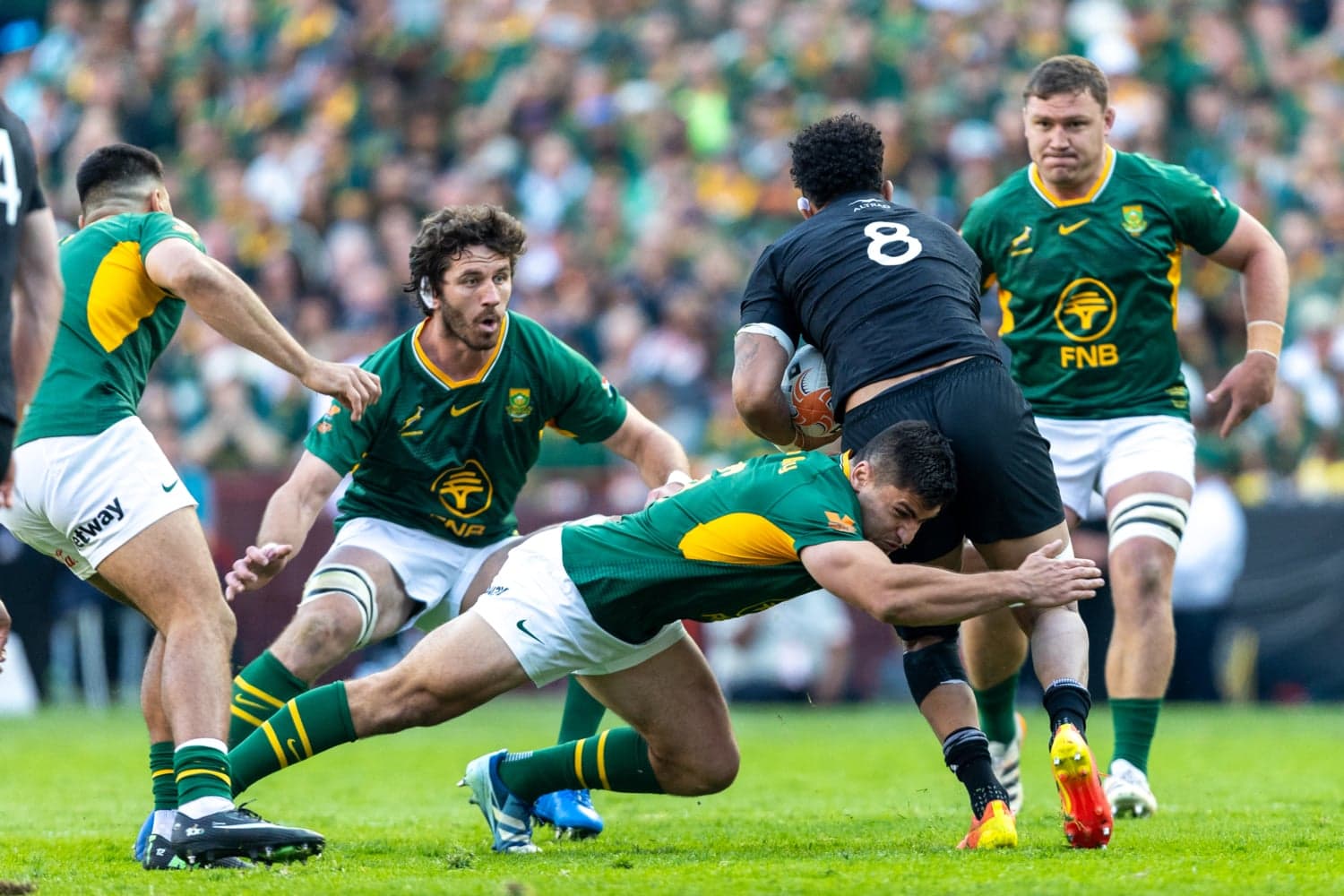
‘I Was Nervous’: Ardie Savea Reacts to Major Refereeing Decision in Clash Against Springboks
Rugby star Ardie Savea admitted to feeling anxious during a pivotal refereeing decision that ultimately went in his team's favour. The incident, reported by South African media, has sparked widespread debate among local rugby fans.
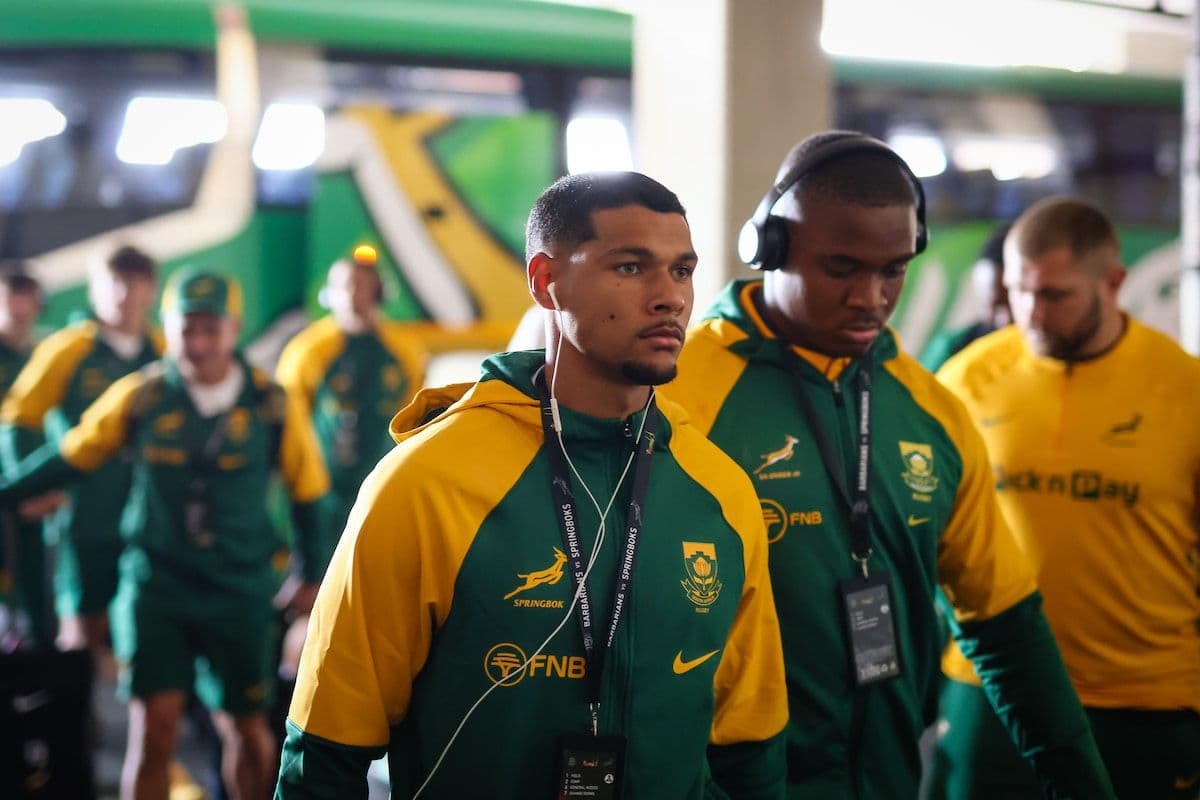
Rassie Erasmus Explains 'Method to the Madness' Behind Releasing Scrumhalf Embrose Papier
Springbok rugby mastermind Rassie Erasmus has defended the decision to release scrumhalf Embrose Papier, describing it as a strategic move with a clear 'method to the madness'. The squad adjustment has sparked widespread discussion among South African rugby fans.
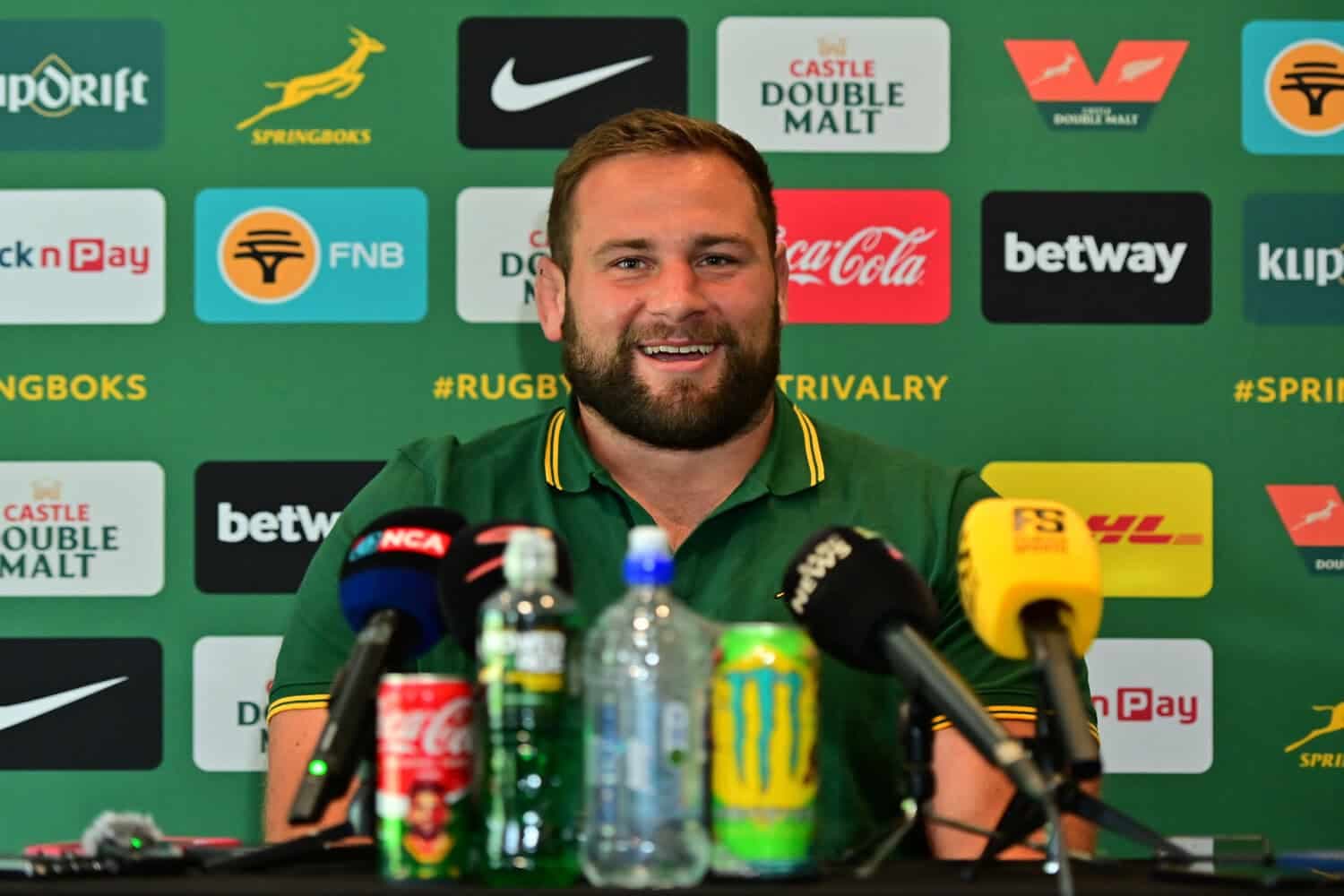
Thomas du Toit Emphasises Legal Compliance in Intense Scrum Battles
South African prop Thomas du Toit has highlighted the challenges of modern scrummaging, stating his team's commitment to playing within the laws of the game. The comments come amid ongoing scrutiny over set-piece safety and refereeing standards.
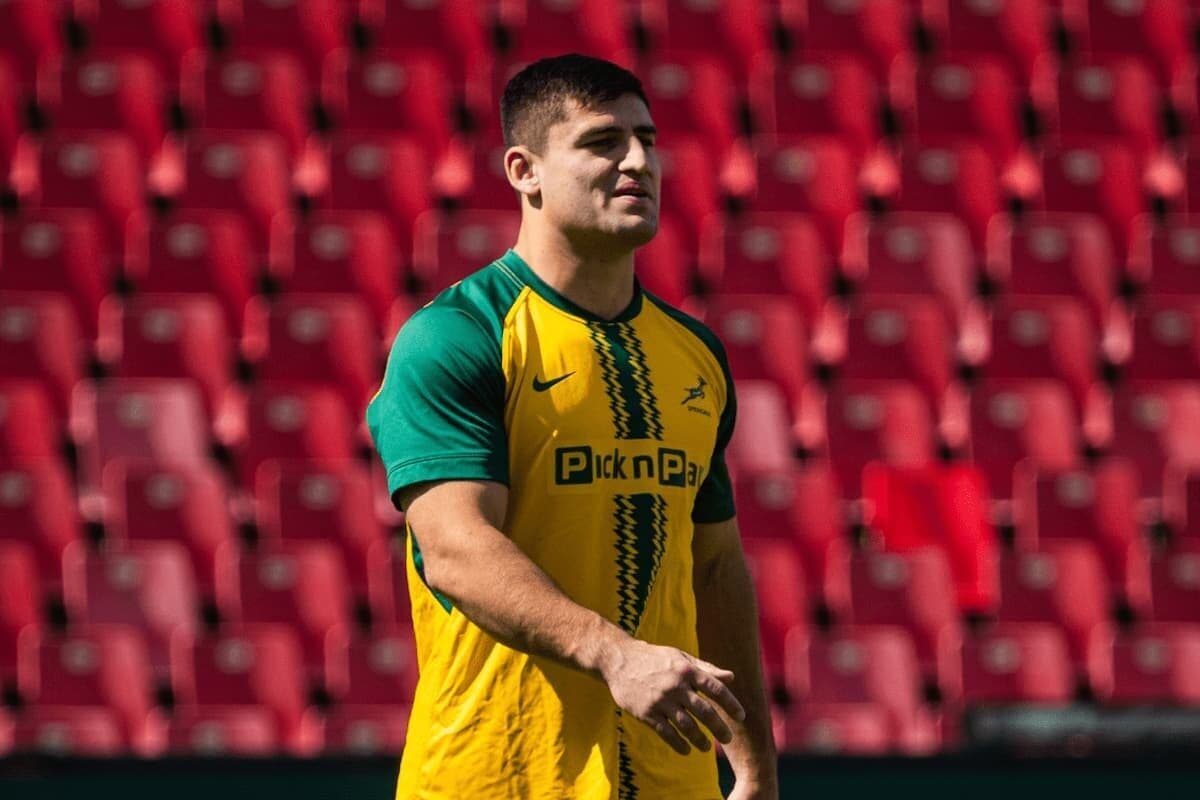
Paul de Villiers Faces Ultimate Litmus Test in Upcoming Clash Against the All Blacks
South African rugby player Paul de Villiers is preparing for a career-defining match against New Zealand's All Blacks. The upcoming encounter is being hailed as a major test of his capabilities on the international stage.