‘I Was Nervous’: Ardie Savea Reacts to Major Refereeing Decision in Clash Against Springboks
Rugby star Ardie Savea admitted to feeling anxious during a pivotal refereeing decision that ultimately went in his team's favour. The incident, reported by South African media, has sparked widespread debate among local rugby fans.
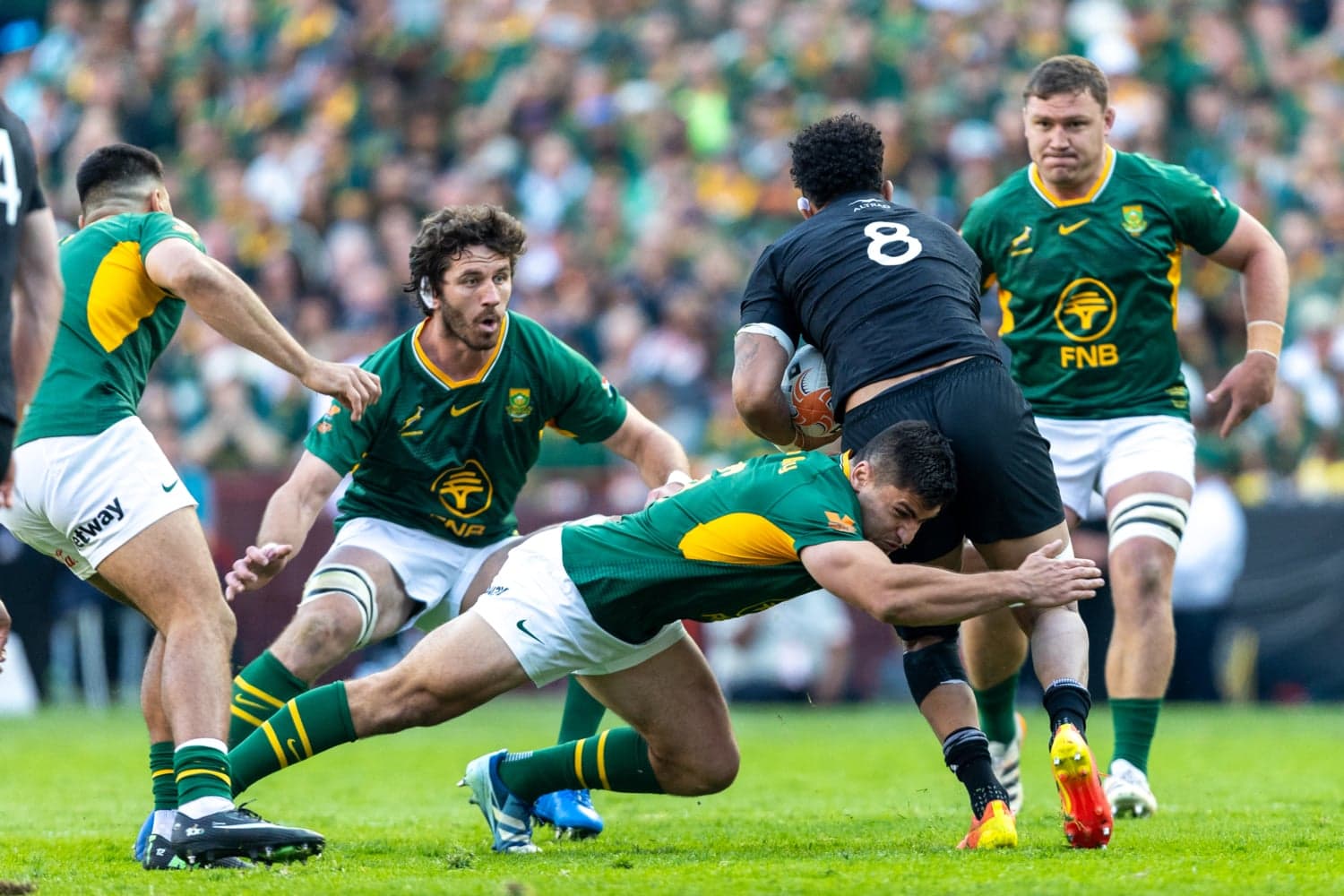
A major refereeing decision has sparked intense discussion in the international rugby community following candid post-match comments from loose forward Ardie Savea. Speaking about a pivotal moment during a highly anticipated encounter, Savea admitted to feeling distinctly anxious while the match officials deliberated. However, the decision ultimately went his team's way, leaving the player relieved. "I was nervous, but it worked in our favour," Savea remarked, highlighting the tense atmosphere that defines top-tier rugby clashes.
The comments, which were first reported by South African media outlet The Citizen on 23 August 2026, have quickly gained traction online, trending under viral news in the region. While the initial reports do not detail the exact minute of the match or the specific refereeing law that was contested, the context surrounding the report points to a high-stakes fixture involving the Springboks. The official imagery associated with the breaking news, titled "Ardie-and-Boks-1", strongly indicates that the drama unfolded during a physical battle between Savea's side and South Africa.
For South African rugby fans, refereeing decisions in matches involving the Springboks are always a subject of passionate debate. The rivalry between South Africa and New Zealand is built on razor-thin margins, where a single whistle blow can alter the course of rugby history. Savea's open admission of nervousness underscores the immense psychological pressure players endure while waiting for the Television Match Official (TMO) or the on-field referee to deliver a verdict that could decide the outcome of the game.
At this stage, several key details regarding the incident remain unconfirmed. The identity of the match referee, the exact nature of the infringement being reviewed, and the final score of the match have not been fully disclosed in the initial breaking coverage. In the absence of a complete official match transcript, rugby analysts and supporters are left to piece together the sequence of events based on the player's post-match reflections. This lack of immediate detail has only served to heighten curiosity and fuel speculation across local sports networks.
The practical implications of such refereeing calls are significant for both teams moving forward. For Savea and his teammates, escaping a potentially game-changing penalty or card allows them to maintain momentum in their campaign. Conversely, for the Springboks and their coaching staff, such moments often prompt rigorous internal reviews and potential formal feedback to World Rugby's officiating panels. In professional rugby, understanding how referees interpret specific situations is crucial for tactical planning in subsequent matches.
This incident also highlights a broader, ongoing conversation within the sport regarding the consistency of officiating. As rugby union becomes faster and more complex, the pressure on referees to make flawless decisions under intense scrutiny has never been higher. When prominent players like Savea publicly acknowledge the element of luck or favorable interpretation in these critical calls, it brings the subjective nature of the rulebook back into sharp focus for fans and administrators alike.
As South African sports enthusiasts dissect the viral news, the focus now turns to the upcoming official team press conferences. Rugby pundits will be watching closely to see how the Springboks' coaching department addresses the officiating in their post-match analysis. Whether this controversial call will lead to a formal clarification from World Rugby remains to be seen, but it has undoubtedly added another dramatic chapter to the ongoing narrative of international rugby.
In the coming days, more detailed match statistics and video replays are expected to clarify the exact sequence of play that caused Savea's anxiety. Until then, South African fans will continue to debate the call, proving once again that in the world of rugby, the drama off the field and the decisions of the officials are often just as compelling as the action on the pitch.
Reporting record
How this story was produced
This article was AI-generated from the frozen trend evidence and passed deterministic quality and safety gates. No cross-provider evidence review or independent human verification is claimed for this record.
- Byline
- Newstrends AI Newsroom
- First published
- Last material update
- No later material update recorded
- Distinct source identifiers
- 1 retained source identifier
Frozen source links for this publication
Chronology
Story timeline
A generated chronology for orientation; dates and details may require source verification.
Update
The Citizen reports on Ardie Savea's reaction to the major refereeing decision.
Reader file
Frequently asked questions
01What did Ardie Savea say about the referee's decision?
Savea admitted he was nervous during the call, but noted that the final decision ultimately worked in his team's favour.
02Which teams were involved in the match?
While full match details remain unconfirmed, local media reports and official imagery strongly link the incident to a match involving Ardie Savea and the South African Springboks.
03When was this incident reported?
The comments were published by South African media outlet The Citizen on 23 August 2026.
Keep reading
Related coverage
More published reporting connected to this story.
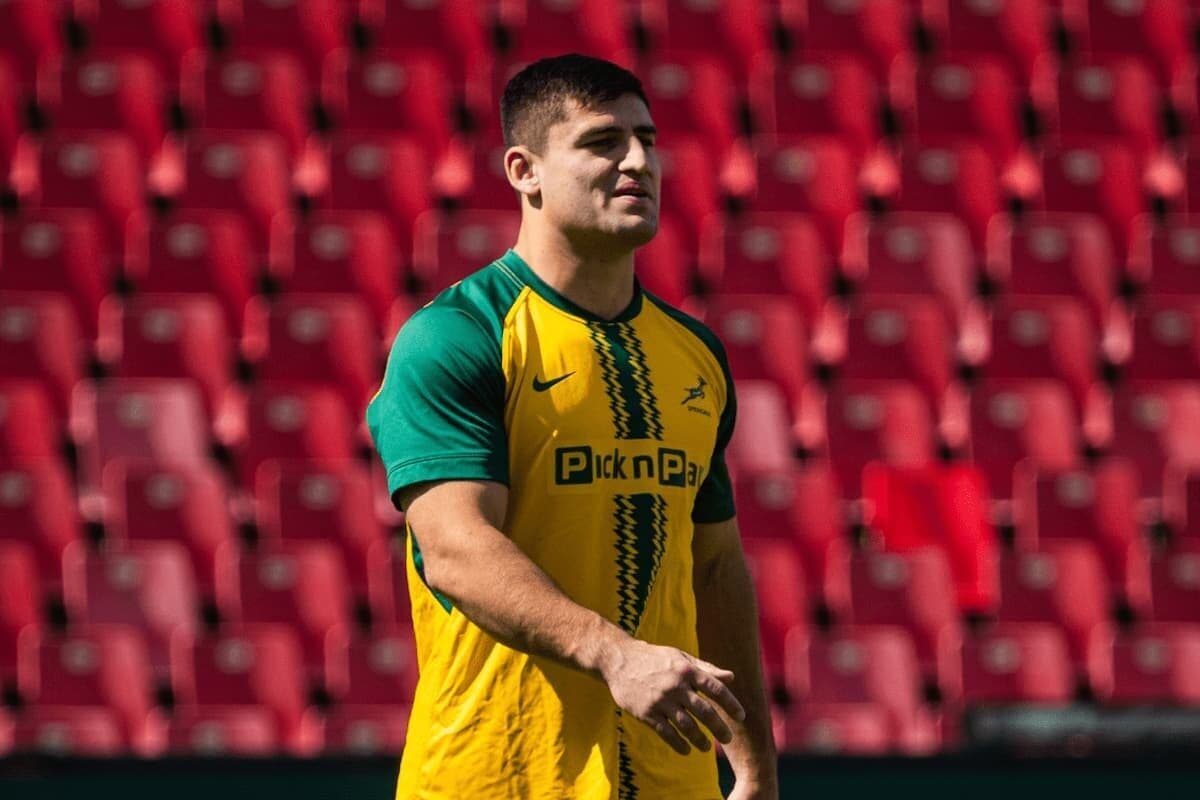
Paul de Villiers Faces Ultimate Litmus Test in Upcoming Clash Against the All Blacks
South African rugby player Paul de Villiers is preparing for a career-defining match against New Zealand's All Blacks. The upcoming encounter is being hailed as a major test of his capabilities on the international stage.
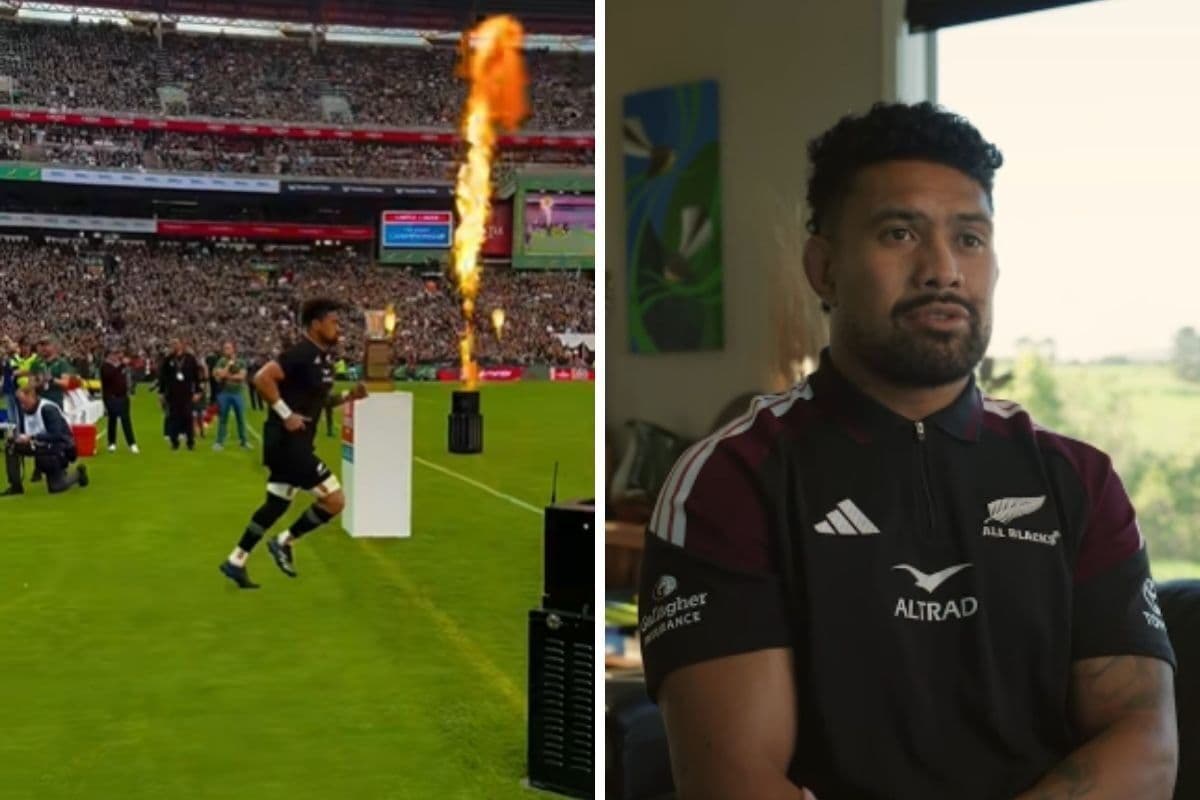
All Blacks Captain Ardie Savea Expresses Warm Sentiments for South Africa Ahead of Highly Anticipated Boks Clash
New Zealand captain Ardie Savea has sparked positive reactions across South Africa by showing love to the country ahead of the upcoming Springboks clash. The gesture highlights the deep mutual respect defining rugby's greatest international rivalry.
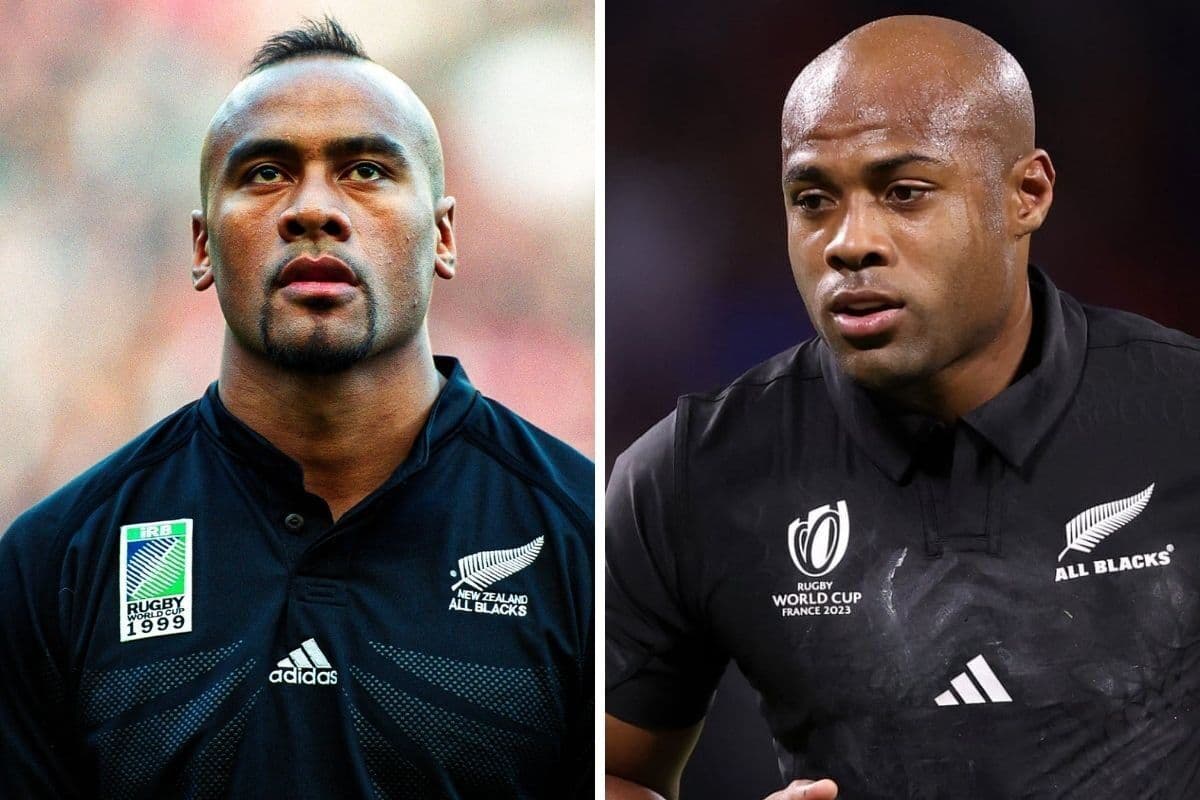
Fierce Rivals, Shared Roots: Viral Report Explores All Blacks Players with Strong South African Ties
A viral report from local media has sparked intense curiosity among South African rugby fans by highlighting All Blacks players with strong ties to South Africa. The trend underscores the deep, interconnected history between the world's two greatest rugby rivals.
All Blacks' Cape Town Takeover Sends Early Warning To Springboks
Reports of an All Blacks 'takeover' in Cape Town have issued an early warning to the Springboks. While specific match and event details remain unconfirmed, the development highlights the historic rugby rivalry in the region.

Twice as Nice: Airlink Delivers Spectacular Double Flyover at Ellis Park for Greatest Rugby Rivalry
Spectators at Johannesburg's historic Ellis Park were treated to a stunning double flyover by Airlink ahead of the Springboks' clash with the All Blacks. The spectacular aerial display has gone viral online, celebrating rugby's greatest rivalry.