Rachel and Siya Kolisi Commemorate National Women's Day in Different Ways
On 9 August 2026, Rachel and Siya Kolisi marked South Africa's National Women's Day through distinct public commemorations. While Rachel shared an empowering post, Siya observed the historic day in a different manner, sparking public interest.
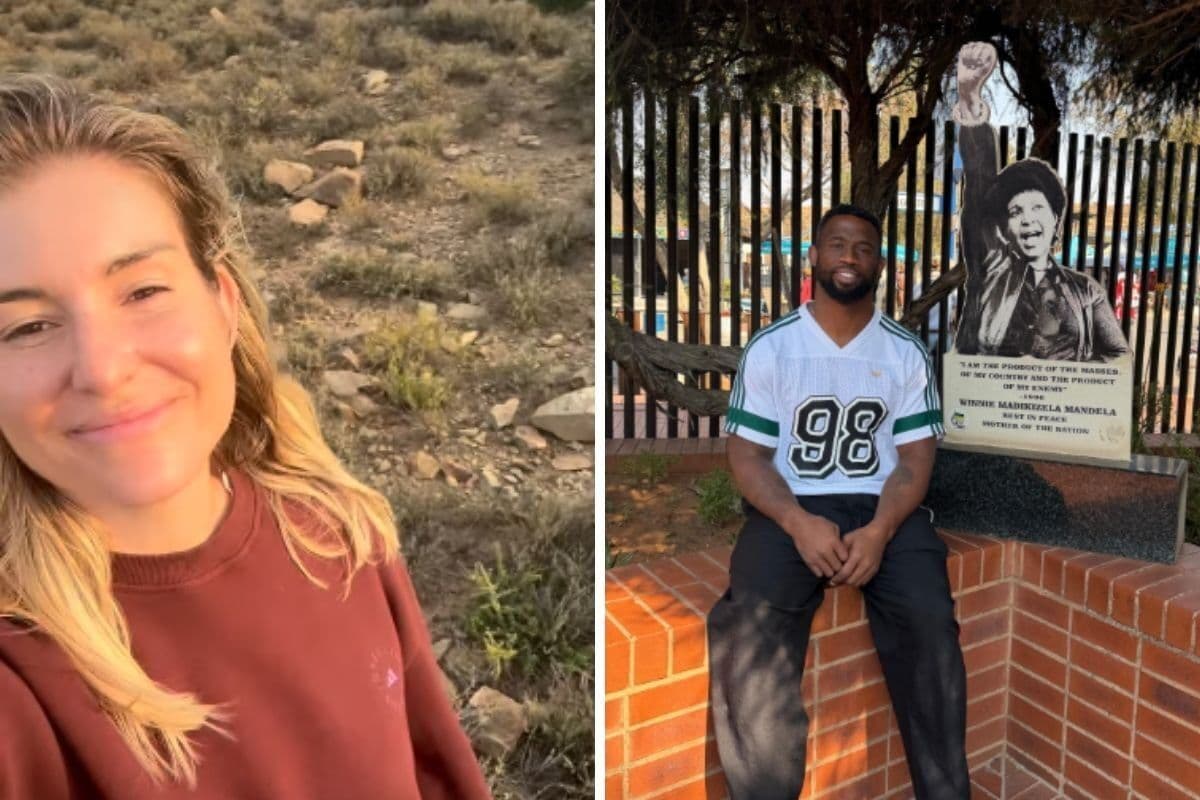
On 9 August 2026, South Africans celebrated National Women's Day, a pivotal public holiday dedicated to honoring the strength, resilience, and contributions of women across the nation. Among the prominent voices drawing public attention during the national celebrations were Rachel and Siya Kolisi. According to initial reports from local media outlet The South African, the well-known couple chose to commemorate the historic day in notably different ways, highlighting their individual approaches to paying tribute to South African women.
The verified trend data indicates that the report emerged on the evening of 9 August 2026, capturing immediate public interest across the country. While the couple is widely recognized for their joint public presence and collaborative efforts, this year's Women's Day saw them taking distinct paths in their public acknowledgments. Rachel Kolisi's commemoration was characterized by what has been described as an empowering digital post, while her husband, the celebrated sporting figure Siya Kolisi, marked the occasion through a different, separate manner.
In South Africa, National Women's Day carries profound historical and cultural weight. It commemorates the historic 1956 march where over 20,000 women marched to the Union Buildings in Pretoria to protest the country's discriminatory pass laws. Because of this rich history, the ways in which modern public figures choose to use their platforms on 9 August are highly scrutinized. The differing methods chosen by Rachel and Siya reflect the diverse ways in which contemporary South Africans engage with the legacy of the 1956 marchers and the ongoing national dialogue surrounding gender equality.
Because the available trend data is limited to the initial publication metadata from The South African, the exact wording, social media platforms used, and specific actions taken by both Rachel and Siya Kolisi remain unconfirmed in this immediate dispatch. It is currently unclear whether their differing commemorations involved physical community outreach, distinct digital media formats, or separate philanthropic engagements. In the absence of these specific details, South African audiences are left to observe how public narratives around influential figures are shaped by their individual public expressions.
This development highlights a broader trend in South African media where the public lives of influential national figures are closely monitored, particularly during national holidays. The ways in which public figures commemorate days of national importance are often viewed by the public as indicators of their personal values and social commitments. By choosing different paths of commemoration, Rachel and Siya Kolisi demonstrate that there is no single, uniform way to honor this vital national occasion, allowing for diverse forms of tribute.
The practical implications of these distinct commemorations lie in how they stimulate public conversation. In a country continuously grappling with gender-based violence and economic inequality affecting women, public messages from high-profile individuals serve to keep these critical issues at the forefront of national discourse. Whether through empowering messages that uplift individual women or through quiet reflection, such actions contribute to the broader national effort to foster a more equitable society.
For South African readers and followers of the couple, the next steps involve looking directly to their verified social media profiles and official public channels to understand the full context of their respective messages. As the week progresses, more detailed accounts of their activities are likely to surface in local media, offering a clearer picture of the specific themes Rachel sought to highlight and the unique manner in which Siya chose to pay his respects. Until then, the focus remains on their individual contributions to a day of immense national importance.
Reporting record
How this story was produced
This article was AI-generated from the frozen trend evidence and passed deterministic quality and safety gates. No cross-provider evidence review or independent human verification is claimed for this record.
- Byline
- Newstrends AI Newsroom
- First published
- Last material update
- No later material update recorded
- Distinct source identifiers
- 1 retained source identifier
Frozen source links for this publication
Chronology
Story timeline
A generated chronology for orientation; dates and details may require source verification.
Update
Rachel and Siya Kolisi commemorate National Women's Day in different ways, as reported by local media.
Reader file
Frequently asked questions
01How did Rachel Kolisi commemorate Women's Day?
According to reports, Rachel Kolisi shared an empowering post to mark the occasion on 9 August 2026.
02How did Siya Kolisi observe the day?
The reports indicate that Siya Kolisi commemorated the day in a different, separate manner from Rachel, though the exact details of his commemoration were not fully detailed in the initial reports.
03Why is National Women's Day celebrated on 9 August in South Africa?
National Women's Day commemorates the historic 1956 march of 20,000 women to the Union Buildings in Pretoria to protest against pass laws.
Keep reading
Related coverage
More published reporting connected to this story.

Cold Weather Expected Across South Africa on Women’s Day
South Africans are advised to bundle up this Women's Day as cold weather is expected across the country on 9 August 2026. The widespread drop in temperature may impact outdoor celebrations and public holiday events.
Honouring Babita Deokaran: Sunday Tribune Issues Urgent Call to Protect South African Whistleblowers
On National Women's Day, a prominent report by the Sunday Tribune renewed calls to protect whistleblowers in South Africa. Honouring the legacy of Babita Deokaran, the appeal highlights the urgent need for systemic reforms to safeguard those exposing corruption.
Family Unveils Memorial for Babita Deokaran in Moving Women’s Day Tribute
On Women's Day, the family of Babita Deokaran unveiled a memorial tribute in her honour. The event was documented in video reports by major South African news outlets, marking a significant moment of national remembrance.
Monument to Babita Deokaran to be Unveiled on Women’s Day
A new monument dedicated to the memory of Babita Deokaran is scheduled to be officially unveiled on Women's Day. The announcement, reported by the Sunday Tribune, marks a significant moment of national tribute and remembrance.

Reported Spiritual Transition: Inside Oscar Pistorius's New Life and the Legacy of Reeva Steenkamp
Recent media reports have shed light on the post-prison life of former Paralympic athlete Oscar Pistorius, highlighting a spiritual transition. The updates also emphasize the enduring public memory and legacy of the late Reeva Steenkamp.