Family Unveils Memorial for Babita Deokaran in Moving Women’s Day Tribute
On Women's Day, the family of Babita Deokaran unveiled a memorial tribute in her honour. The event was documented in video reports by major South African news outlets, marking a significant moment of national remembrance.
On Sunday, 9 August 2026, marking South Africa’s national Women’s Day, the family of Babita Deokaran unveiled a memorial tribute in her honour. The poignant event, which was captured in video broadcasts, served as a significant moment of remembrance on a day dedicated to honouring the courage and contributions of women across the nation. The unveiling represents a deeply personal milestone for the Deokaran family, while simultaneously resonating with the broader South African public who continue to follow the legacy of her story.
The news of the memorial unveiling was widely reported across several major South African media platforms on Sunday afternoon. Publications under the Independent Online (IOL) umbrella, including The Post, the Independent on Saturday, and the Sunday Tribune, published reports and video footage of the tribute. These coordinated releases highlight the widespread public interest and the national importance attached to the memory of Babita Deokaran, particularly when framed against the backdrop of Women's Day celebrations.
Women’s Day in South Africa is historically rooted in the 1956 march of 20,000 women to the Union Buildings in Pretoria, protesting against the pass laws. In the modern era, the day has evolved to celebrate women who stand up for justice, integrity, and societal transformation. The decision by the Deokaran family to unveil the memorial on this specific public holiday underscores the symbolic connection between Babita Deokaran's life and the enduring spirit of South African women who confront systemic challenges.
The tribute video and accompanying coverage have rapidly gained traction online, categorized under viral news in the region. This digital response reflects a sustained collective memory among South Africans, who frequently engage with stories concerning public integrity and the personal sacrifices of individuals and their families. By sharing the moment of the unveiling through digital media, the family has allowed the public to participate virtually in what is both a private mourning process and a public act of commemoration.
While the initial reports and video footage confirm the unveiling of the memorial, several specific details regarding the tribute remain unshared in the immediate aftermath of the event. The precise geographical location of the memorial, the artistic design of the monument, and the specific remarks made by family members during the ceremony have not been detailed in the primary source signals. In keeping with objective reporting standards, these aspects remain subject to further updates as more comprehensive accounts of the service are released by family representatives or local authorities.
The practical implications of such memorials in South Africa are profound, often serving as physical touchstones for community organizing, reflection, and education. Memorials dedicated to notable figures help preserve history for future generations, ensuring that the values of courage and dedication to the public good are not forgotten. For the Deokaran family, the establishment of this permanent memorial provides a dedicated space to honour her memory, while offering the public a site of reflection.
Going forward, observers and members of the public are watching for further details regarding whether the memorial site will be accessible to the general public for visitation and tributes. Additionally, many will be looking to see if local government representatives or civil society organisations will formally recognise the memorial in future municipal or national heritage plans. The ongoing media coverage from KwaZulu-Natal and national outlets suggests that the legacy of Babita Deokaran will continue to be a focal point of discussion surrounding public service and integrity in South Africa.
As South Africans reflect on the significance of another Women’s Day, the unveiling of this memorial stands as a stark reminder of the personal costs borne by families in the pursuit of truth. The Deokaran family’s tribute ensures that her name remains etched not only in the archives of the country's history but also in a physical monument of remembrance.
Reporting record
How this story was produced
This article was AI-generated from the frozen trend evidence and passed deterministic quality and safety gates. No cross-provider evidence review or independent human verification is claimed for this record.
- Byline
- Newstrends AI Newsroom
- First published
- Last material update
- No later material update recorded
- Distinct source identifiers
- 1 retained source identifier
Frozen source links for this publication
Chronology
Story timeline
A generated chronology for orientation; dates and details may require source verification.
Update
The family of Babita Deokaran unveils a memorial tribute on Women's Day, with video reports published by South African media outlets.
Reader file
Frequently asked questions
01When was the memorial for Babita Deokaran unveiled?
The memorial was unveiled by her family on Women's Day, Sunday, 9 August 2026.
02Which media outlets reported on the tribute?
The tribute and accompanying video footage were reported by Independent Online (IOL) publications, including The Post, Independent on Saturday, and the Sunday Tribune.
03Where is the memorial located?
The exact geographical location and physical details of the memorial have not been specified in the initial news reports.
Keep reading
Related coverage
More published reporting connected to this story.
Monument to Babita Deokaran to be Unveiled on Women’s Day
A new monument dedicated to the memory of Babita Deokaran is scheduled to be officially unveiled on Women's Day. The announcement, reported by the Sunday Tribune, marks a significant moment of national tribute and remembrance.
Blue Uniforms, Blackened Reputations: Viral Article Sparks Debate on South African Police Integrity
A viral opinion piece published by The Post on IOL has reignited intense public debate across South Africa regarding the reputation of law enforcement. The discussion highlights the critical challenges of public trust and systemic accountability facing those in uniform.
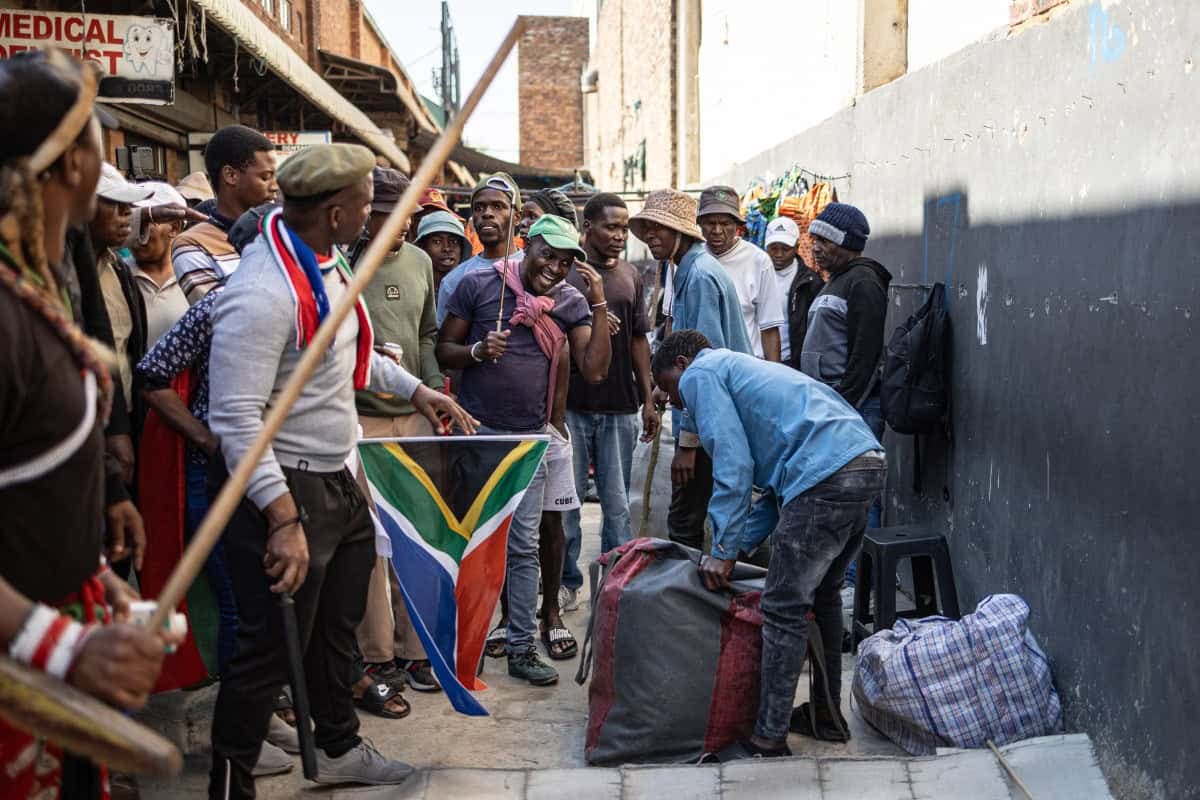
Why Migrants Flee Failed States: The Citizen Explores the Push for Greener Pastures
A viral report by South African news outlet The Citizen has sparked widespread discussion on why migrants flee failed states. The analysis highlights the powerful push-and-pull factors driving regional migration toward greener pastures.

Why They Come Home: Viral Trend Reveals the Real Reasons South African Expats Are Returning
A viral online trend has spotlighted the personal stories of South African expats choosing to return home. The growing conversation highlights the emotional, financial, and cultural factors driving reverse migration.

Tequila Takes Centre Stage as Luxury Sipping Culture Sweeps South Africa
Tequila is undergoing a major transformation in South Africa, transitioning from a quick party shot into a premium sipping spirit. Driven by global luxury brands like Don Julio, local consumers are increasingly embracing sophisticated tasting experiences.