PHV Detected in Sardines as West Coast Mass Fish Deaths Investigated
Authorities are investigating a worrying environmental event on South Africa's West Coast following mass fish deaths. Scientists have confirmed the detection of PHV in local sardine populations as they work to determine the cause of the mortality.
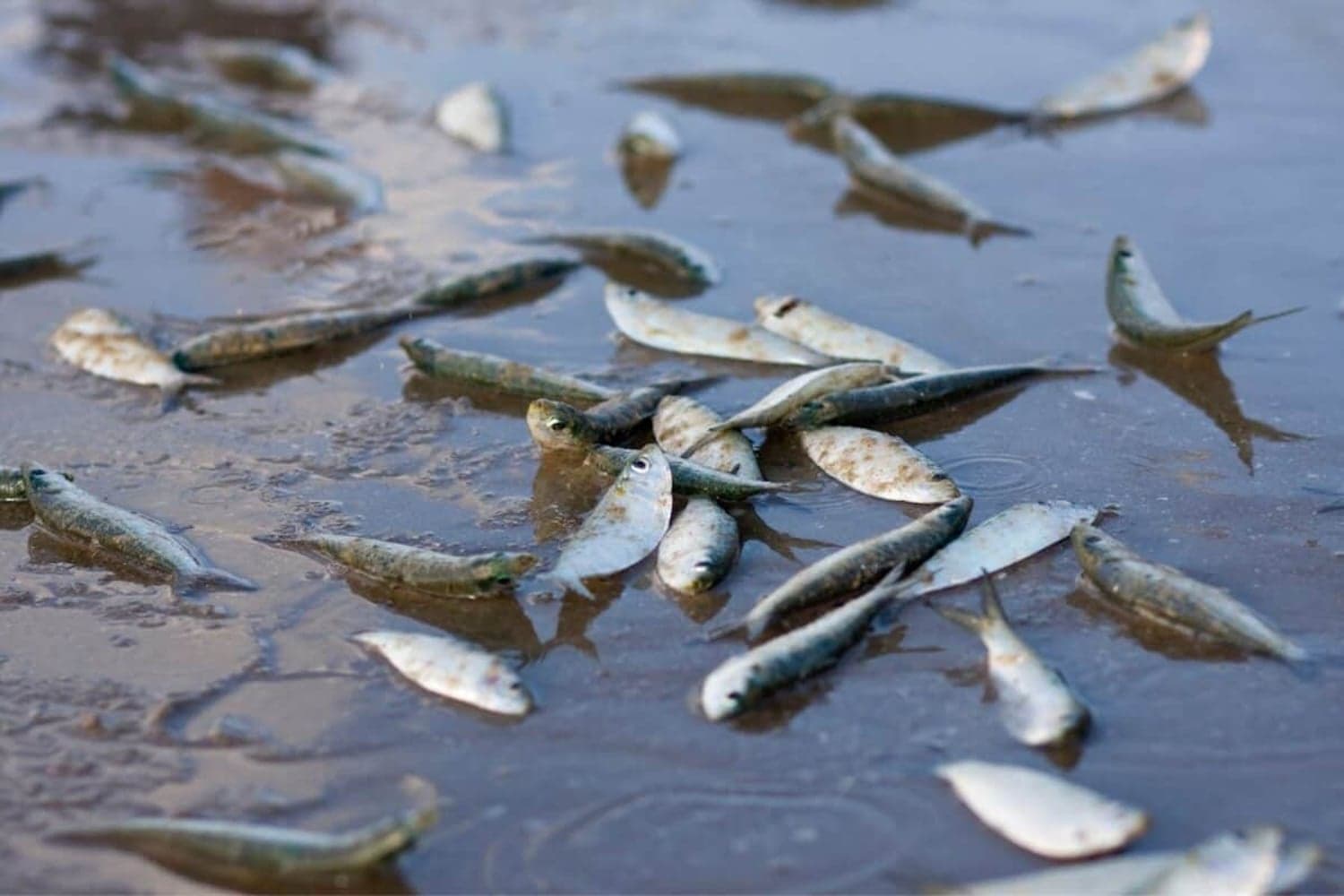
In a developing environmental concern on South Africa's West Coast, scientific investigations are underway following the detection of PHV in local sardine populations. This critical finding comes amidst ongoing efforts by authorities and marine scientists to understand the underlying causes behind recent mass deaths of fish in the region. The detection, which was highlighted in reports on 15 August 2026, has raised immediate concerns regarding the health of the local marine ecosystem.
The West Coast of South Africa is globally renowned for its rich marine biodiversity and highly productive waters, driven by the nutrient-rich Benguela Current. Sardines play a foundational role in this ecosystem, serving as a primary food source for numerous marine predators, including seabirds, seals, and larger fish species. Consequently, any threat to the sardine population, such as the detection of PHV during a mass mortality event, carries significant ecological weight.
While official investigations are actively trying to establish the precise parameters of the situation, the detection of PHV in the affected sardines represents a crucial piece of the puzzle. Researchers are working to determine whether the presence of PHV is the primary driver of the mass deaths or if it is a secondary factor exacerbated by other environmental stressors. At this stage, the exact relationship between the virus detection and the mortality rates remains under close scientific scrutiny.
According to the initial reports captured in August 2026, the primary verified fact is the presence of PHV within the sardine populations currently being investigated on the West Coast. Marine specialists are focusing their efforts on analyzing sample fish to map out the spread of the virus. This direct evidence of PHV provides a concrete starting point for laboratory testing and field assessments, which are essential to halting further losses.
Despite the detection of PHV, several critical questions remain unanswered. Marine authorities have not yet released comprehensive data detailing the exact geographic boundaries of the mass deaths along the West Coast, nor have they confirmed the total number of fish affected. Furthermore, it remains unclear whether this specific strain of PHV poses any direct threat to other marine species, or if there are any implications for human consumption and the broader commercial fishing sector.
The West Coast fishing industry is a vital economic driver for many coastal communities in South Africa, providing jobs and securing food supply chains. A mass die-off of sardines, coupled with the detection of a viral agent like PHV, could have serious economic consequences if commercial harvesting is restricted or if consumer confidence is impacted. Stakeholders are keeping a close watch on official advisories as the scientific investigation unfolds.
Beyond the economic impact, the ecological ramifications of a decline in sardine numbers could be severe. A sudden drop in the sardine population can disrupt the entire marine food web, leading to nutritional stress for endangered species such as the African penguin and Cape gannet. Understanding the role of PHV in these mass deaths is therefore a matter of high conservation priority for South African environmental agencies.
As the investigation into the West Coast mass deaths continues, the immediate focus remains on gathering more data and conducting rigorous laboratory analyses. Marine scientists, environmental departments, and local fishing forums are expected to collaborate closely to monitor the situation. The public and local industry players are advised to await official updates regarding safety protocols and the final findings of the ongoing scientific probe.
Reporting record
How this story was produced
This article was AI-generated from the frozen trend evidence and passed deterministic quality and safety gates. No cross-provider evidence review or independent human verification is claimed for this record.
- Byline
- Newstrends AI Newsroom
- First published
- Last material update
- No later material update recorded
- Distinct source identifiers
- 1 retained source identifier
Frozen source links for this publication
Chronology
Story timeline
A generated chronology for orientation; dates and details may require source verification.
Update
Reports emerge detailing the detection of PHV in sardines amid an active investigation into West Coast mass fish deaths.
Reader file
Frequently asked questions
01What has been detected in the West Coast sardines?
PHV has been detected in sardine populations along the West Coast during investigations into mass fish deaths.
02What is the cause of the mass fish deaths?
The exact cause of the mass deaths remains under investigation, as scientists work to determine the role of the detected PHV.
Keep reading
Related coverage
More published reporting connected to this story.
Pilchard herpesvirus confirmed in sardines as mass deaths investigation continues
Scientists have confirmed the presence of pilchard herpesvirus in sardines following recent mass mortality events. However, the exact cause of the deaths remains under active investigation as researchers seek to understand the full impact of the virus.

South African City Ranked Among the Most Beautiful Places in the World to Stay
A South African city has earned a spot on a prestigious list of the world's most beautiful places to stay. While the specific city and ranking criteria remain to be fully detailed, the accolade highlights the country's strong global appeal.
Dunlop Completes Major R1.7bn Upgrade at Ladysmith Tyre Plant
Tyre manufacturer Dunlop has finalized a massive R1.7 billion upgrade at its Ladysmith production facility. The major industrial investment is expected to bolster local manufacturing capabilities and strengthen the South African automotive supply chain.
SA alcohol consumption rises despite declining wealth, defying economic trends
A new report reveals a striking economic paradox as South Africans increase their alcohol consumption despite facing a decline in personal wealth. The trend highlights complex consumer trade-offs amid ongoing financial pressure across the country.
Natural Filter Reportedly Cleaning South African River with Critical Bacteria Levels
Reports have emerged of a South African river facing critical bacterial contamination, with levels described as being 'off the charts'. However, an intriguing natural filtration process is reportedly helping to clean the water system.